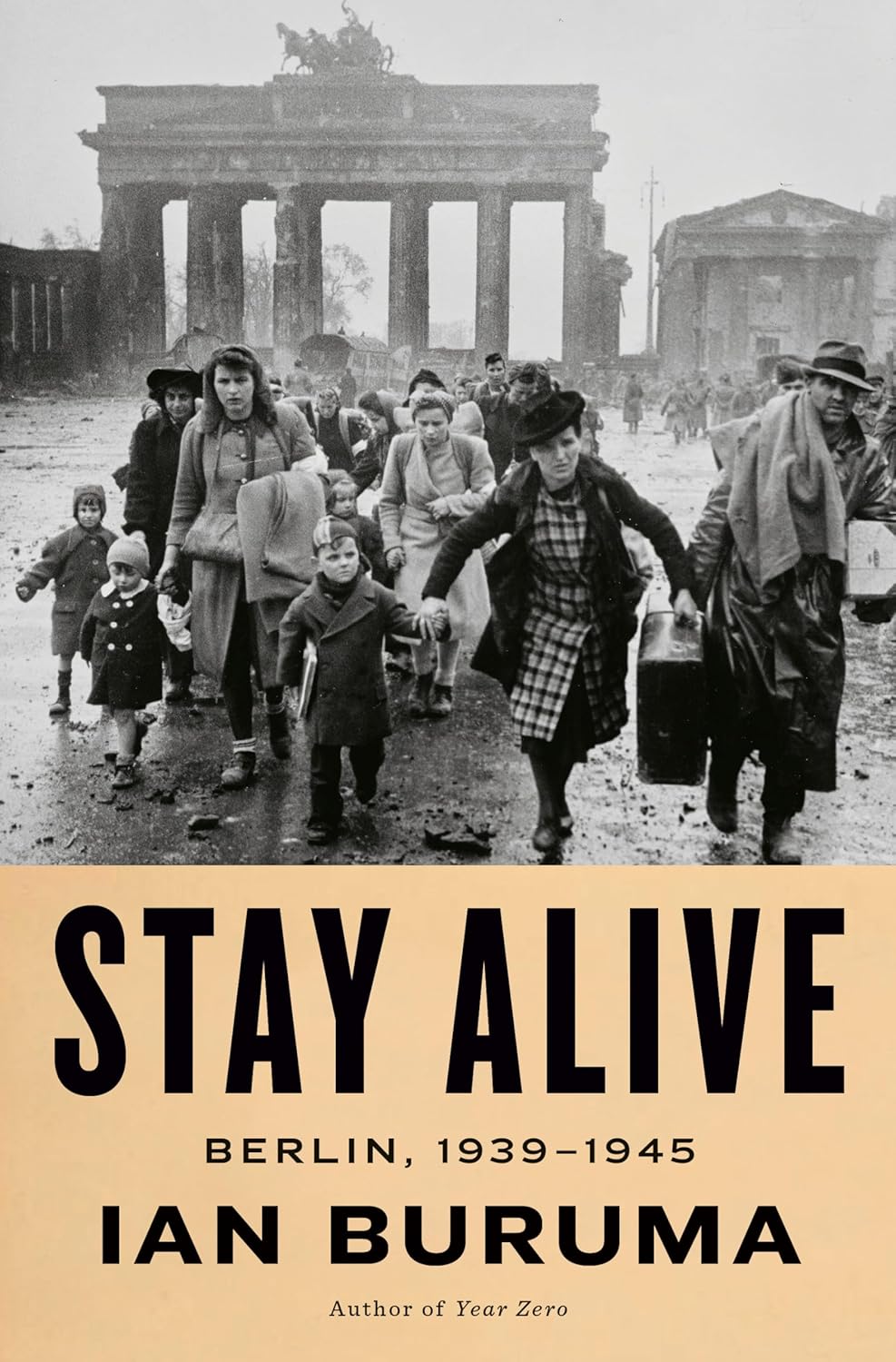
Berlin, one often hears, is not Germany. Since only four or five percent of the country’s population lives there, that makes a kind of sense. But Berlin also happens to be Germany’s largest city by a fairly wide margin: the second-largest, Hamburg, has at least 1.5 million fewer people; less populated still are Munich, Cologne, Frankfurt, Stuttgart, Düsseldorf, and Lepizig. Yet even someone who’s never set foot in Germany is likely to know not just their names, but also something about their identities.
In China, by contrast, there are several cities more than double Berlin’s size of whom few Westerners have ever heard, to say nothing of their global cultural profile. If the likes of Shenyang or Dongguan have any plans to become the next big hot spot for international art or club culture, word has yet to get out. But Berlin has punched in a metropolitan class farther above its weight than any other city in Europe, and perhaps the world, for at least a century — including the troubled years of the Second World War, which left the German capital defeated, demoralized, and devastated.
That’s the very period covered by Ian Buruma’s new Stay Alive: Berlin, 1939-1945. Buruma, now one of the few permanent residents of my to-read list, first came to my attention with his early books on Japan, where he lived in the seventies, as well as his writings on Asia in general. (Though not a Korean speaker, he’s also written more astutely on Korea than most outside observers.) Despite occasional manifestations of his interest in cities, such as a talk on anti-urbanism for the Architectural Association in 2002, I never let myself expect a proper city book from him, though his memoir A Tokyo Romance did come close.
Read the whole thing at Substack.