This Sunday, January 25, at 7:00 p.m., my live talk and screening happens at Portland, Oregon’s Hollywood Theatre. I’ll show both never-before-seen video essays from “Los Angeles, the City in Cinema” and present to you the world premiere of “Portland, the City in Cinema”, a new, long-form video essay on the roles the City of Roses has played in the modern urban films shot there, from well-known Portland-based director Gus Van Sant’s gritty stories of youth like Mala Noche, My Own Private Idaho, and Paranoid Park to major motion pictures of the mid-1990s like Zero Effect and Mr. Holland’s Opus to more recent, more contemplative indies like Old Joy and Some Days Are Better Than Others.
You can get your tickets (quantities are limited!) here. Much beer-drinking will surely occur afterward. And if you know any Portland urbanist-cinephiles whom this may interest please don’t hesitate to spread the word.
Saturday, January 17, 2015
 Notebook on Cities and Culture‘s Korea Tour is brought to you by Daniel Murphy, David Hayes, and The Polar Intertia Journal, an outlet for artists and researchers documenting the urban condition.
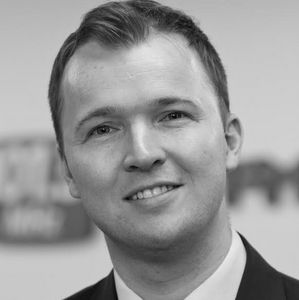
In Seoul’s Itaewon district, Colin talks with Alex Jensen, host of weekday news show This Morning on TBS eFM. They discuss whether he envisions who he’s talking to when he’s talking on-air; what first strikes him about the Tube whenever he goes back to London; when he very first took to the airwaves; how much he knew about the existence of English broadcasting in Korean when he headed there in pursuit of the probable love of his life; how he developed his professional broadcasting life in Korea through “friends of friends”; what put him off music radio, and “the full breadth of life” offered by current-events radio; his grasp of the “raw emotions” of Korean, and how they came into play when he reported the sinking of the Sewol (and how it compared to his newsroom experience during the London bombings of 2005); his preference of fairness over neutrality; how the movies introduced him to the depth of Korean sentiment; why Seoul doesn’t confront you with packs of drunken fifteen-year-olds on the way home; what Korean freedom consists of today; whether he, too, has a “Korean dream”; his very first impressions of Seoul, and how he sought out similarities to London while receiving them; the utmost importance of simply getting to know people; how much an English-speaking job impedes the learning of Korean; why Korea has so much English radio in the first place; the culture that develops in major media not in a country’s dominant language; the questions he can ask that a Korean might hesitate to; the sensationalism over North Korea in foreign media versus the shrugging in South Korea; how different Itaewon, where he lives, feels from the rest of Korea; where he sees the emergence of a more international Korea; where to find the best British food in Seoul; and how having a long, large-scale media conversation with Korean society has helped him integrate into it.
Download the interview here as an MP3 or on iTunes.
On January 25, 2015 Colin and “The City in Cinema” come live to Portland, Oregon’s Hollywood Theatre – for details and tickets, visit hollywoodtheatre.org
In the mid-1990s, Takeshi Kitano, who made his name in Japan as a television comedian, broke into the west as an auteur. Did it with Sonatine, a tale of a Tokyo yakuza exiled on remote Okinawa, by turns violent and lighthearted, tense and languorous. By the end of that decade, he had the chance to crack America with Brother, which follows a similar operator forced out to Los Angeles. As he uncomprehendingly roams the city in search of his drug-dealer half-brother, he develops a death with that only all-out war with the city’s other gangs can satiate, resulting in what Kitano calls a Pearl Harbor-paralleling “film about going to America to die.”
The video essays of “Los Angeles, the City in Cinema” examine the variety of Los Angeleses revealed in the films set there, both those new and old, mainstream and obscure, respectable and schlocky, appealing and unappealing — just like the city itself.
Wednesday, January 14, 2015
 Notebook on Cities and Culture‘s Korea Tour is brought to you by Daniel Murphy, David Hayes, and The Polar Intertia Journal, an outlet for artists and researchers documenting the urban condition.
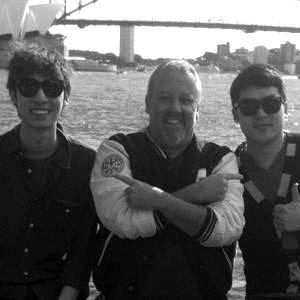
In Seoul’s Haebangchon district, Colin Marshall talks with Charles Montgomery, professor in the English Interpretation and Translation Division of Dongguk University, editor of the site KTlit.com, and global ambassador of Korean literature in translation. They discuss the first Korean books that excited him; the mistakes he made in choosing his first works of Korean literature to read; the significance of bestseller authors Kim Young-ha and Shin Kyoung-sook; the impossibility of getting around the literary prize system, and how that suppresses genre; how the substantial literature of the Korean War compares to what literature America has of its own Civil War; how his Korean best friend influenced the course of his professional life; why he burnt out as a marketing director and how it led him to Korea; the intense nature of Korean emotional bonds (and the intensity of their absence); why you have to treat everyone in the United States as a “potential shooter”; what happens when you read Korean literature with an understanding of the culture; whether Americans can ever internalize the Korean sense of obligation to society; how much Korean literature makes it into English; the idea that, to write for foreigners, a Korean writer somehow becomes less Korean; the popularity of Haruki Murakami in Korean translation; how he got “inside the elbow”; America and Korea as cultural antidotes to one another; why cities back in the U.S. seem to lag so far behind those of Korea; how one translated bestseller “drags” the rest of its country’s literature behind it; how Dalkey Archive handled Korean literature; the Korean preference for short stories and novellas over full-length novels; the insights into Korean society that literature still gives him; why Korean characters seem to lack agency; what Western literature he likes; which Korean writers have a tantalizing amount of work still untranslated; why Koreans have considered so many elements of their culture unknowable to foreigners; the exalted status of the 작가님; the signs that will let us know Korean literature has made it; and what stands a chance of becoming Korea’s geisha, chrysanthemum, sword, sushi, and Shinjuku.
Download the interview here as an MP3 or on iTunes.
 Notebook on Cities and Culture‘s Korea Tour is brought to you by Daniel Murphy, David Hayes, and The Polar Intertia Journal, an outlet for artists and researchers documenting the urban condition.
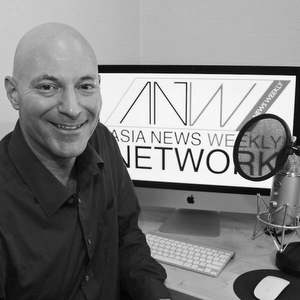
In Anyang, Colin talks with Steve Miller, creator of the Asia News Weekly podcast, and the vlogger formerly known as QiRanger. They discuss whether he notices what goes on on around him has he records himself on video on the streets of various countries; the suburbs of Seoul versus the suburbs of Phoenix; the possible pronunciations of “QiRanger”; why he lives in Asia, and in this moment Korea; whether he researched Korea beforehand or just plunged in; when and why he made his first video ever; how his travel videos came as a natural extension of old family slideshows; the origin of his “walk-and-talk” videos, in which he does exactly that; the usefulness of neighborhood maps in Korean subway stations, especially when they got calorie counts added to them; why he enjoys Korean food in the Philippines so much; his experience as a tall white guy with a shaved head in a homogenous Asian country, and how his youth at a black school prepared him for it; how he got into news podcasting; the cafe street in Dongtan, where he lives, and how business models become brief crazes in Korea; the planning for failure Koreans don’t tend to do; his Korean foods of choice; the difference between 신천 and 신촌; his success rate with Mexican cuisine in Korea; how to think about the Philippines; the inevitable video-making that happens on his vacations; what a GoPro actually is; they myth about foreigners in Korea he’d most like to explode; the motivation his Star Trek-watching childhood instilled in him; why he wants to stop teaching basic English in Korea, and why students of English there rarely learn to communicate well; why he thinks Asia is so important, and how he thinks it enriches those who come to it.
Download the interview here as an MP3 or on iTunes.
Saturday, January 10, 2015
On January 25, 2015 Colin and “The City in Cinema” come live to Portland, Oregon’s Hollywood Theatre – for details and tickets, visit hollywoodtheatre.org
Samuel Fuller’s very late noir The Crimson Kimono essays the insider-outsider Los Angeles buddy cop picture not with space aliens, as in 1988’s Alien Nation, but with a people once treated with even less understanding than the spotty-headed “outsiders”: the Japanese. Ultraconfident white-bread detective Charlie Bancroft and ultracompetent but doubt-plagued Japanese-American detective Joe Kojaku together investigate the murder of a downdown stripper, a case which leads them into the heart of Japanese Los Angeles: Little Tokyo, captured here with a great deal of rich, lively footage shot during the still-yearly Nisei Week celebration. But, as often happens, a lady comes between them, hence the film’s salacious promotional posters: “Yes, this is a beautiful American girl in the arms of a Japanese boy!”
The video essays of “Los Angeles, the City in Cinema” examine the variety of Los Angeleses revealed in the films set there, both those new and old, mainstream and obscure, respectable and schlocky, appealing and unappealing — just like the city itself.
Wednesday, January 7, 2015

On the latest Los Angeles Review of Books podcast, I talk with Tod Goldberg, author of such novels as Fake Liar Cheat and Living Dead Girl, several books based on the television series Burn Notice, short story collections like Simplify and Other Resort Cities, and the guidebook Hungry? Thirsty? Las Vegas. His latest novel Gangsterland sends a ruthless Chicago mafia hitman out into the Jewish community of suburban Las Vegas, where he must start a new life under a new identity — the identity of a rabbi.
You can stream the conversation just above, listen to it on the LARB’s site, or download it on iTunes.
 Notebook on Cities and Culture‘s Korea Tour is brought to you by Daniel Murphy, David Hayes, and The Polar Intertia Journal, an outlet for artists and researchers documenting the urban condition.
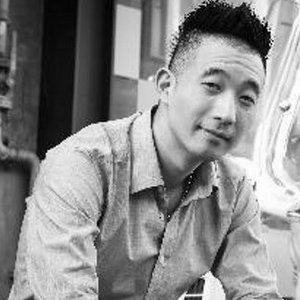
‘In Seoul’s Hongdae district, Colin talks with Keith Kim, creator of the travel and culture site Seoulistic. They discuss how Birkenstocks became the dominant Korean trend in the summer of 2014; what a gyopo is, and what it means to live in Korea as one; his ability to present himself as both a Korean and a foreigner; the Korean expectations to which he can least adhere; how little the old and the young understand one another in Korea; how the tattoo and smoking situation has changed in society since he first arrived; what he found when he first visited Korea during the celebratory time of the 2002 World Cup; the difficulty of finding a coffee shop in Apgujeong not attached to a plastic surgery clinic; why Koreans assume certain personality traits correlate with certain facial features; why you can do “Humans of New York”, but you couldn’t do “Humans of Seoul”; the advantages of “not counting” in Korean society; the power of “Korean stink eye”; why he chose to live in Japan as well; the old people who freely touch foreigners on the train; what most clashes with his American side, especially in the realm of dating; what makes more sense in Korean society than in American; the varying attitudes toward parental wisdom in Korea and America; how a foreigner can know Seoul better than a Korean; what foreigners tend to do wrong in Korea; the difference between American and Korean suburbs; why he wants a back yard; the death of “the American dream,” and why his Korean-born Americanized dad wants to return to Korea from his own; his desire to live in Thailand; the single idea of beauty that has taken hold in Korea, and why the population may, ultimately, just want to look the same; his coterie of “international people” in Seoul, and how much they usually like the city; the Korean demand for opinions; how to avoid becoming a bitter expat in Seoul; why he folds his clothes like a Japanese housewife; and whether he’d base himself in New York, Seoul or Tokyo if he had to choose right now.
Download the interview here as an MP3 or on iTunes.
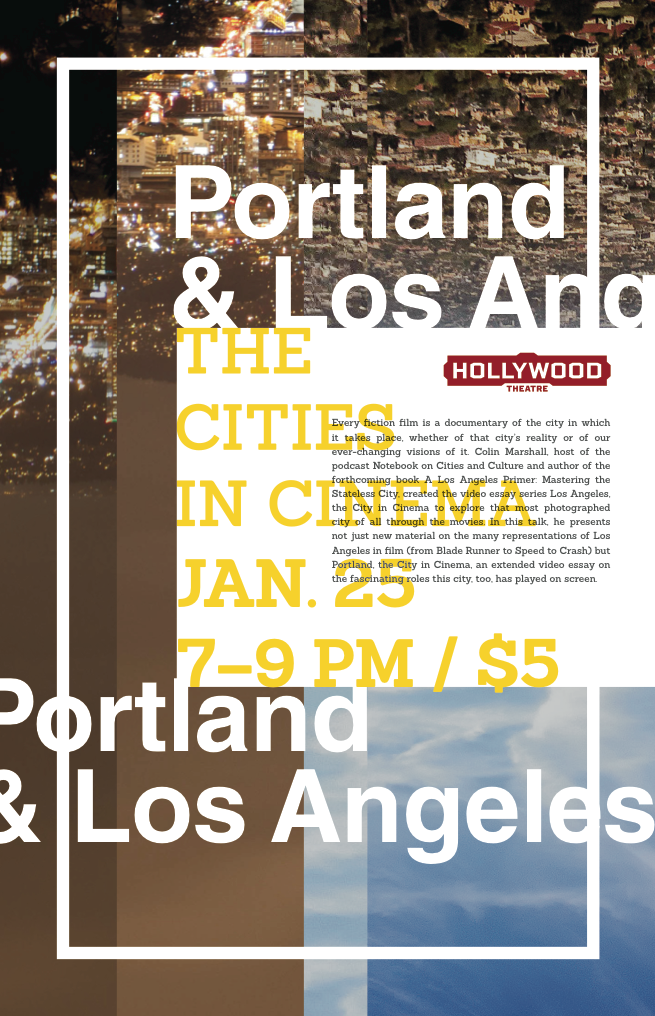
On Sunday, January 25, 2015, I’ll appear live at Portland, Oregon’s Hollywood Theatre to give “Portland and Los Angeles: The Cities in Cinema”, a talk on and a screening of my City in Cinema video essays. The evening will include not just new, never-before-seen video essays on Los Angeles films, but the world premiere of Portland: The City in Cinema, a long-form exploration of the Oregonian metropolis and the roles it has played in such movies as Cold Weather, Zero Effect, and My Own Private Idaho. I’ll also discuss the contrast in cinematic depictions of the City of Angels and the City of Roses, so make sure to bring along all your thoughts on the matter, urbanist-cinephiles.
You can find time, location, and ticket details at the Hollywood Theatre’s site. (And if you didn’t catch it back in 2012, why not have a listen to my Notebook on Cities and Culture interview with head programmer Dan Halsted?)
Saturday, January 3, 2015
 Notebook on Cities and Culture‘s Korea Tour is brought to you by Daniel Murphy, David Hayes, and The Polar Intertia Journal, an outlet for artists and researchers documenting the urban condition.
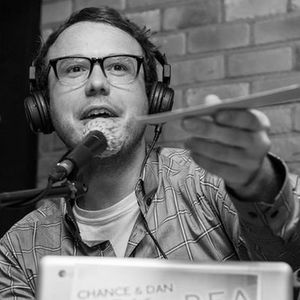
In Seoul’s Hongdae district, Colin talks with Chance Dorland, radio- and podcast-hosting expat in countries like Germany, Colombia, and now South Korea, currently of Groove magazine’s Groovecast, TBS eFM’s “Chance Encounters” segment, and Chance and Dan Do Korea. They discuss the one thing that unites Americans; the origins of his Korean podcasting career; whether people knew what the Peace Corps was after he got out of the Peace Corps; why he rejected both Los Angeles and New York; how he made peace with growing up in a small Iowa town, despite what he never got to learn there; mudding; what it felt like, growing up, to meet someone who had been to a major city; how he acquired a “fake family”; what, in adolescence, he somehow “knew” America had more of than any other country; the affliction that made class attendance difficult; when he realized Boston, where he went for college, doesn’t count as a big city; the enthusiasm for World War II that got him applying to go to Germany; the comparative lack of user-friendliness in major American cities; what he doesn’t have to deal with in Seoul; the simultaneous fall of traditional media and rise of new media; how Korea opened the opportunity to form band after band; the general low quality of so many people working in the American media; how he got out of English teaching and into radio; where his desire to work with poor people led him; why the Peace Corps lies, and how he wound up getting the wrong medication and a chronic disease in their time with them; where to find Korean food in Des Moines; why he wants to do radio “in a booth,” and why that may prove more attainable in Korea than elsewhere; how he started reporting for TBS eFM; the obstacles to getting a job as a foreigner with no Korean wife or Korean heritage; and how foreigner occupational diversity might benefit Korea.
Download the interview here as an MP3 or on iTunes.