I’ve previously appeared on a Seoul urbanism radio feature on TBS eFM’s Koreascape as well as hosted and produced the world-traveling podcast Notebook on Cities and Culture [RSS] [iTunes], which evolved from the public radio program The Marketplace of Ideas.
My video essay series The City in Cinema examines cities (especially Los Angeles) as they appear on film.
My public speaking, which I’ve done in places like the Royal Asiatic Society Korea Branch, Portland’s Hollywood Theatre, the San Francisco Urban Film Festival, Seoul National University, Yonsei University, Chapman University, California State University Long Beach, and the Seoul Book and Culture Club, usually covers this same suite of cities-and-culture-related topics.
You can also keep up with me on Twitter and Facebook as well.
콜린 마샬은 도시와 문화를 포함해서 여러 주제들에 대하여 에세이를 쓰는 수필가이다. 그 에세이들은 <뉴요커>와 <가디언> 그리고 <로스 앤젤레스 리뷰 오브 북스> 같은 주로 영미권 매체에 실리고 또한 그는 한국 문학 잡지 <Axt>에 기고한 적이 있고 <동아일보>에 칼럼을 기고하고 있다. 모국인 미국에서 30년 넘게 살며 10년 동안 라디오 방송과 팟캐스트에서 인터뷰을 진행했다. 그 후에 로스앤젤레스의 한인타운을 거쳐 세계에서 제일 큰 한인타운인 서울로 이사왔다. 서울에 사는 동안 <콜린의 한국> 팟캐스트를 운영하며 작가와 교수을 비롯하여 건축가와 방송인 같은 다양한 사람들을 여전히 인터뷰한다. 첫 번째 책 <한국 요약 금지>는 2024년에 출판되었다.
나는 지난해 2월 출간한 에세이집 ‘한국 요약 금지’를 홍보하기 위해 북토크를 진행하면서 대개 질의응답으로 시간을 마무리했다. 그때 아이를 위한 교육 계획을 세웠는지에 관한 질문을 몇 차례 받았다. 당시 나는 아이가 없었기 때문에 좋은 답변을 준비하지 못했다. 다만 만약 아이가 생긴다면 학원이나 국제학교는 피하고 현지 학교에 보낼 생각이라고 말했다. 그 대답에 참석자들은 매번 놀라는 표정을 지었다.
교육 계획에 대한 질문을 처음 받았을 때, 내가 한국에 산 지 얼마 되지 않았을 무렵 만난 한 60대 외국인이 떠올랐다. 그는 나처럼 미국인이었지만 나보다 약 30년 먼저 한국에 이주해 이 나라에서 세 자녀를 모두 키웠다. 그 자녀들을 교육 기간 내내 국제학교에 보내기 위해 지금은 기억하기도 어려울 만큼 큰돈을 썼다고 했다. 내가 이유를 묻자 그는 아이들이 반드시 미국인이 되기를 바랐기 때문이라고 대답했다. 당황한 나는 아이들이 미국인이 되기를 원했다면 왜 하필 한국에서 키웠을까 하는 생각이 들었다.
지난여름 아내가 쌍둥이를 낳은 뒤 중요하게 생각하게 된 것이 있다. 우리 아이들이 미국인이 되는 것이 아니라 한국인이 되는 일이다. 그렇기 때문에 외국인으로서 한국에서 아버지가 된 경험은 자연스레 ‘한국인이란 정확히 무엇인가’라는 질문을 스스로 던지게 했다.
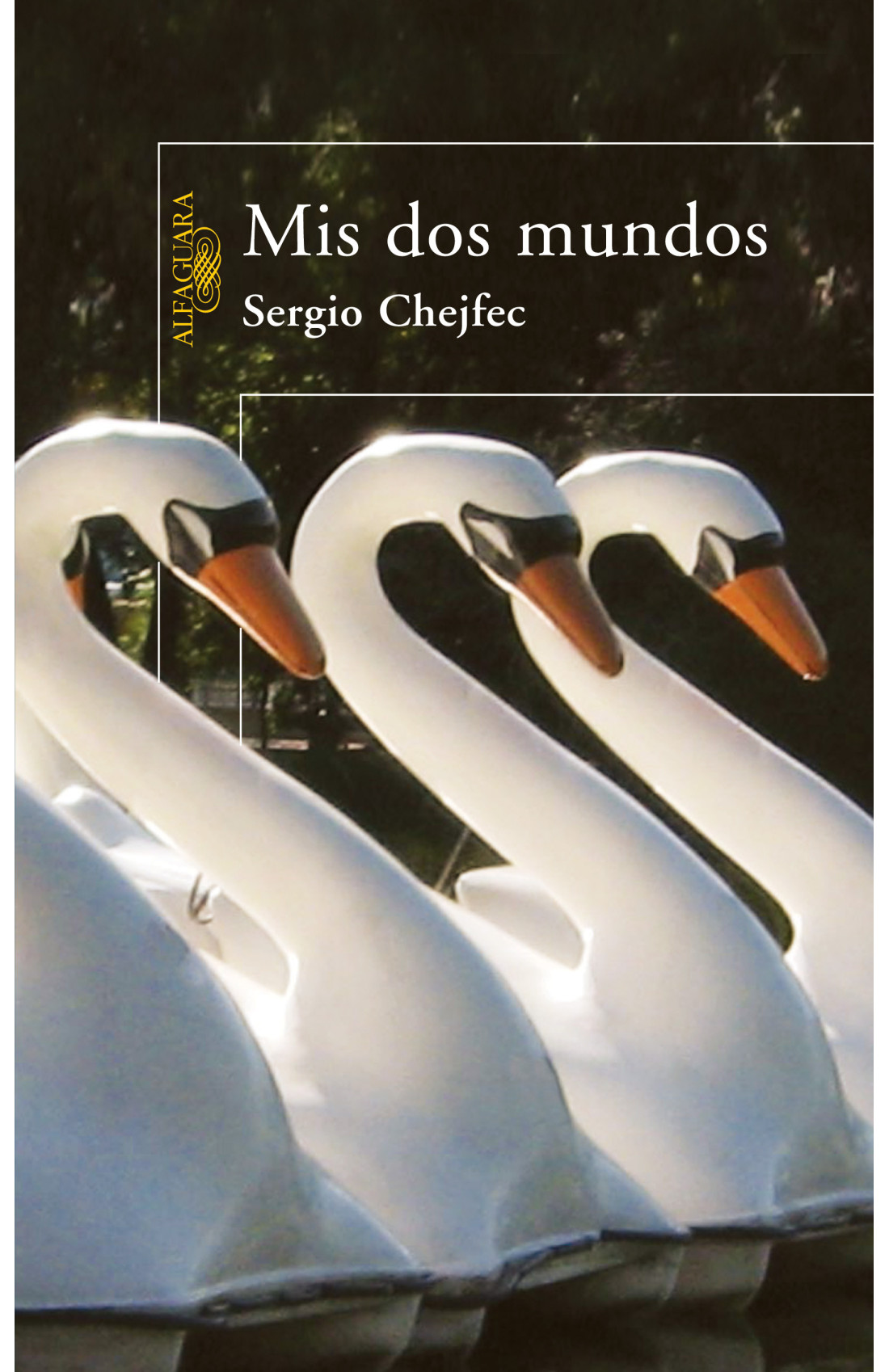
“Are you deeply interested in how an Argentinean observer might phenomenologically regard a southern Brazilian city, combined with his philosophy of walking, in fictional form?” once asked economist Tyler Cowen in a post on his long-running blog Marginal Revolution. He went on to give his own answer: “I am.” The context was one of his occasional “What I’ve been reading” roundups, and the book in question was Mis dos mundos by Sergio Chejfec — or rather My Two Worlds, as it had just then, in 2011, been published in an English translation by Margaret Carson. Though I’d already been reading Marginal Revolution for years at that point, I can’t recall whether that description piqued my interest when Cowen first posted it, when I had scant experience with cities or travel in any case. But when I found my way back to it last year, my desire to read such a book, ideally in the Spanish original, could hardly have been stronger. Looking up Chejfec and his body of work, I wondered — as I do ever more frequently about Latin American writers — where he’d been all my life.
By that point, Chejfec had been gone for nearly two years, having died of cancer in 2022 at age 65. He began publishing in Spanish since 1990, the year he left his native Buenos Aires for a fifteen-year stint in Caracas, but My Two Worlds was his first English translation; the same press, Open Letter, has since put out The Planets, The Dark, and The Incompletes. These are all, in one sense or another, novels, or at least novellas, though Chejfec was known for eschewing many of the elements novel-readers tend to expect: plot, dialogue, named narrators. The unnamed narrator of Mis dos mundos, a writer, finds himself in the aforementioned southern Brazilian city to appear at its literary festival. In the text, he recounts not the events of the festival, but a walk he takes the following day to an urban park not far from his hotel, having been captivated by the green expanse representing it on his map. The sights and sounds he encounters during preparations for this outing the night before and on the day of the outing itself send his narration down various byways of memory and contemplation — many more, it feels at the end of 128 pages, than could normally be explored within the confines of such a short book.
Topical though its title may sound, Harold Brodkey’s 1992 essay “Notes on American Fascism” probably couldn’t be published today. Reading it, one can almost hear the inevitable editorial demands that its argument be “sharpened” (premised upon the assumption that an argument, rather than notes, is what it offers), or at least that the words of a geopolitical expert or two be shoehorned in to gin up a bit of academic-journalistic gravitas. Not that the essay seems to have been publishable even when Brodkey first wrote it, given that it only appeared several years later in his collection Sea Battles on Dry Land, published a few years after his death from AIDS in 1996. Nevertheless, when revisited more than three decades on, its torrent of portentous observation and speculation about the decline of the kind of liberalism Brodkey calls “the primary American tradition” now seems considerably less disposable than the many anxious prophesies of a fascist United States published more recently, during the reign of Donald Trump.
By the early Nineties, as Brodkey sees it, the gods of “ethnic diversity” (summoned by “the failure of the melting pot to work”) and “the new federalism” (no longer denoting a dynamic between the federal and state governments but between the U.S. and the entire world) have both failed, neither having produced “a new sense of community” or “a workable sense of America.” Real estate is “now so expensive that it is very difficult for people in the lower tier to buy a house, or very much of a house, even if they have inherited money.” The government “does not support American manufacturing or American exports except in very sophisticated ways closed to outsiders.” The uninspiring Democratic program comes down to “a demand for order, for more government, more centralized government”; the Republicans have their perpetual interest in “looting,” but no “overt program beyond the slogans of American greatness and American supremacy.”
미국에서 태어나 30년을 살았지만, 모국에서도 가보지 못한 지역이 많다. 그중 최근 한국에 살면서 처음 호기심이 생긴 곳이 바로 조지아주다. 조지아주 출신 미국인들을 만날 때마다 최대 도시 애틀랜타에 한국식당이 우후죽순처럼 들어서고 있다는 말을 듣는다. 또 한국 대기업들이 지사와 공장을 세우면서 현지 한인 공동체도 커졌다고 한다.
한국에 오기 전 로스앤젤레스 한인타운에서 살았던 필자는 그런 이야기를 들을 때마다 미국 남부의 한인타운은 어떤 모습일지 늘 궁금했다. 한국인 이민 역사가 깊은 서부와 달리 남부는 보수적이고 폐쇄적인 분위기가 강한 지역이기 때문이다. 그곳에서 새롭게 자리 잡은 한인사회가 어떻게 미국 속에서 뿌리내리고 있는지 관심을 가질 수밖에 없었다.
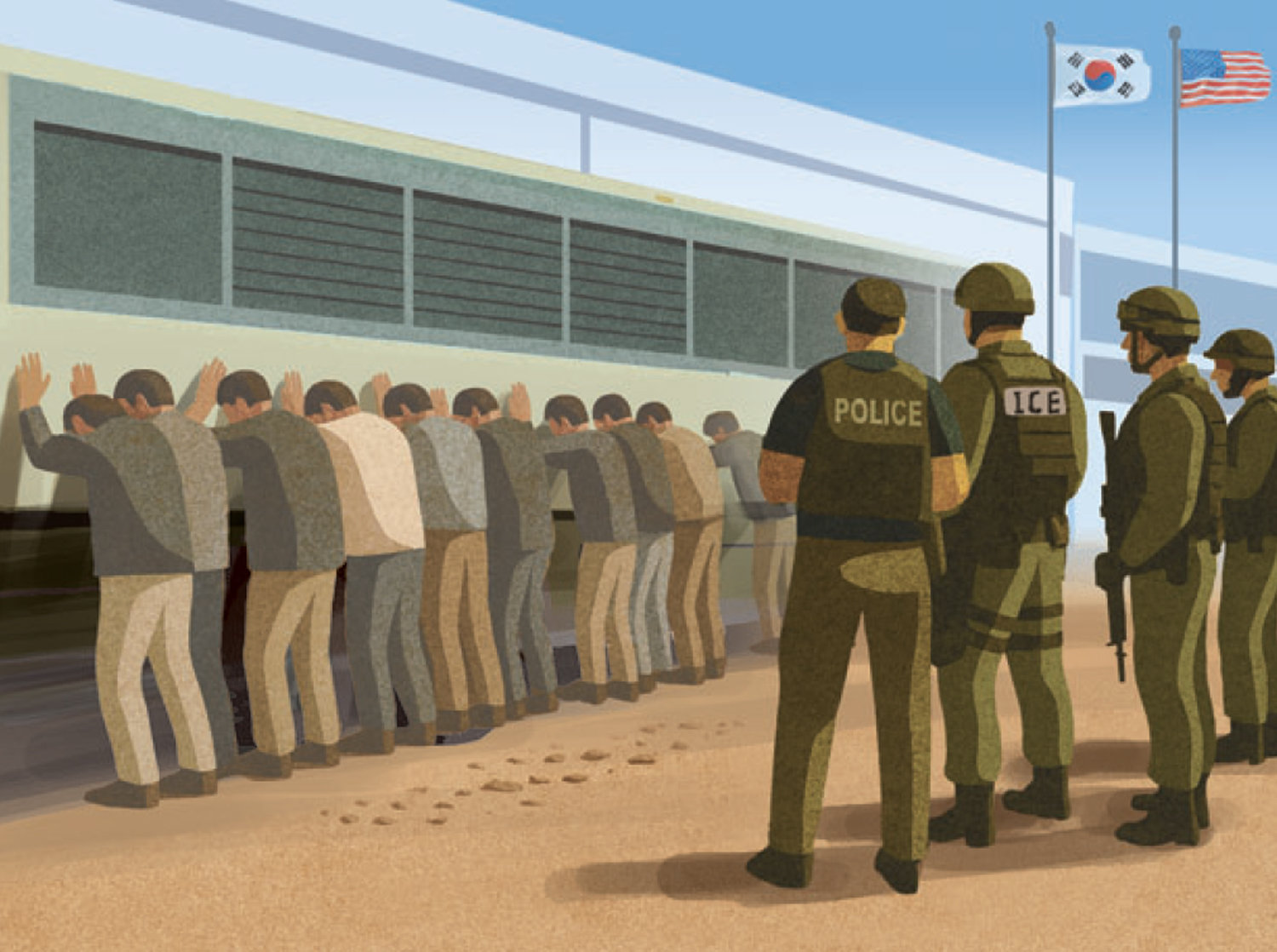
그러나 한국과 조지아주가 그동안 쌓아 온 생산적 관계는 최근 큰 문제에 부닥쳤다. 이달 초 미국 이민세관단속국(ICE)이 단속 작전을 벌여 조지아주 엘라벨에 있는 현대자동차-LG에너지솔루션 합작 배터리 공장 HL-GA 건설 현장에서 근로자 475명을 체포, 구금한 것이다. 이 가운데 한국인만 317명에 달했다. 미국 정부는 이들이 합법적인 취업 비자가 아닌 단순 출장 비자로 현장에 투입돼 있었다고 밝혔다. 한국 기업들은 정식 취업 비자 발급 절차가 지나치게 복잡하고 시간이 오래 걸려 불가피했다고 해명한다.
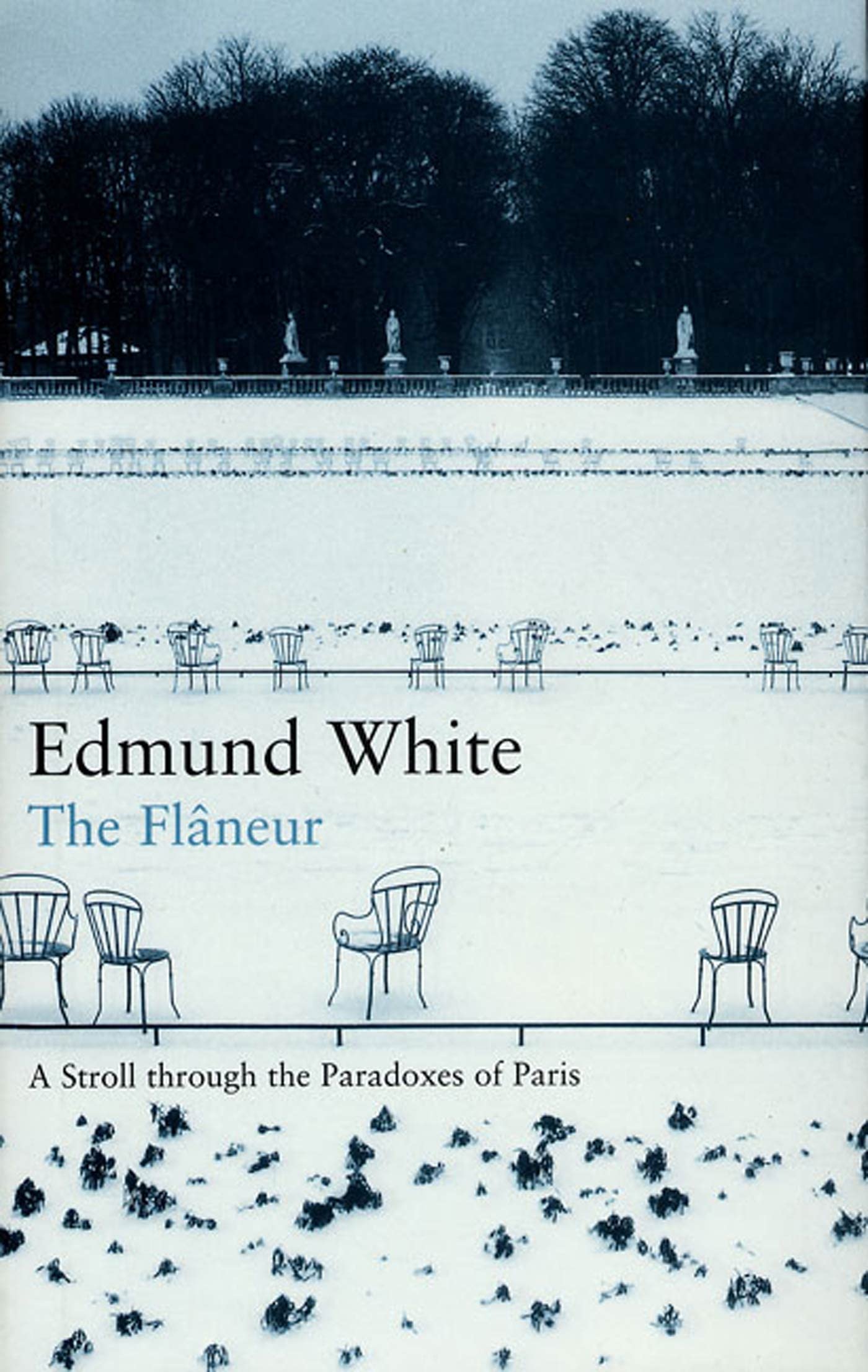
Edmund White died this past summer at the age of 85, having lived about four decades longer than he must once have expected to. His HIV diagnosis came in 1985, around the height of the AIDS epidemic, when he was in his mid-forties. It can’t have been a complete surprise, given that he’d spent most of the “golden age of promiscuity” that extended from the nineteen-seventies into the early eighties living it up in New York’s “gay ghetto.” There he was involved enough in the local scene to have been one of the original founders of Gay Men’s Health Crisis in 1981, before the cause of the new plague had come to light. For a time, that group officially adopted the view that the underlying virus must require multiple sexual exposures to be transmitted, White remembers in his memoir Inside a Pearl, the assumption being that “promiscuity was to blame. Cold comfort for me, since I had had literally thousands of partners.”
Whether that résumé point counted as a mark for or against him, White eventually ascended to the presidency of Gay Men’s Health Crisis. “I hadn’t liked myself in the role of leader,” he remembers, describing himself as “power mad and tyrannical.” Wanting an excuse to abdicate that position seems to have been a reason for his relocation from New York to Paris in 1983, though not the only one: “Secretly I’d wanted the party to go on and thought that moving to Europe would give me a new lease on promiscuity. Paris was meant to be an AIDS holiday. After all, I was of the Stonewall generation, equating sexual freedom with freedom itself.” Alas, that holiday soon came to an end, though the diagnosis didn’t end up putting much of a cramp in his style. White himself proved genetically disinclined to sicken, let alone die, as a result of carrying HIV, unlike so many of the friends and lovers (not a hard distinction in his milieu, it turns out) he ultimately buried.
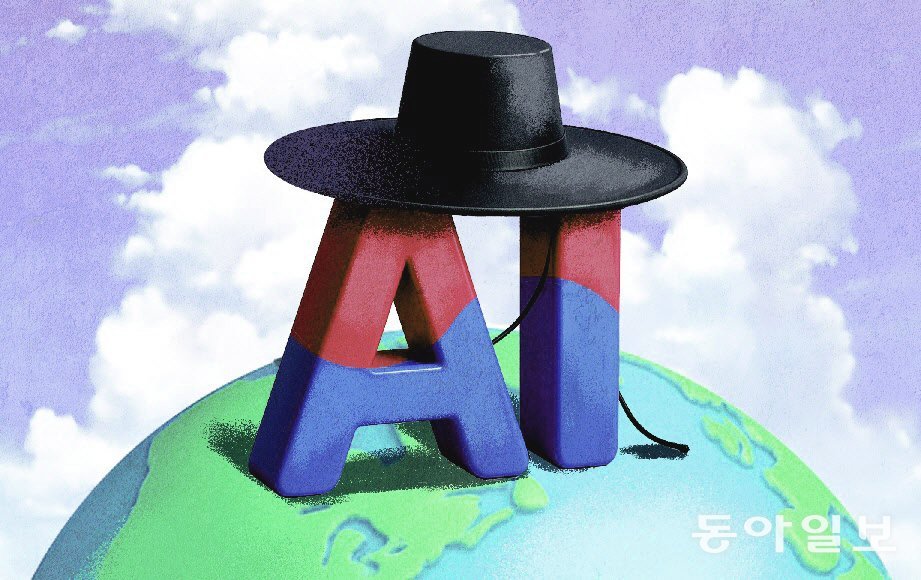
20년 전 영국 시사 주간지 ‘이코노미스트’에 실린 검색엔진 ‘콰에로(Quaero)’에 대한 기사를 읽었다. 콰에로는 프랑스와 독일 정부가 협력해 개발 중이던 검색엔진이다. 기사에서 콰에로는 미국 ‘구글’의 경쟁자로 묘사돼 있었다. 쉽게 납득이 가지 않았다. 정부가 추진하는 작업이 어떻게 민간기업을 이기기를 바랄 수 있을까? 그보다 더 구글은 미국과 유럽을 막론하고 어느 나라에서나 잘 작동하는데 왜 유럽형 검색엔진이 별도로 필요할까? 실제 몇 년이 지난 뒤 콰에로 개발은 실패로 마무리됐다. 전혀 놀랍지 않은 결과였다.
한국은 ‘네이버’나 ‘다음’ 같은 국내 포털 사이트가 발달해 있다. 한국에서 10년간 살다 보니 이제는 한 국가에서 활성화된 인터넷 플랫폼이란 개념에 익숙해졌다. 한국을 처음 찾는 외국인에게는 항상 구글맵 대신 한국 지도 애플리케이션(앱) 사용을 권하기도 한다. 이유는 간단하다. 한국 정부가 국가안보 등을 이유로 자세한 지도 데이터 사용을 외국 회사에 허용하지 않기 때문이다. 외국인의 눈에는 보호무역으로 보일 수 있다.
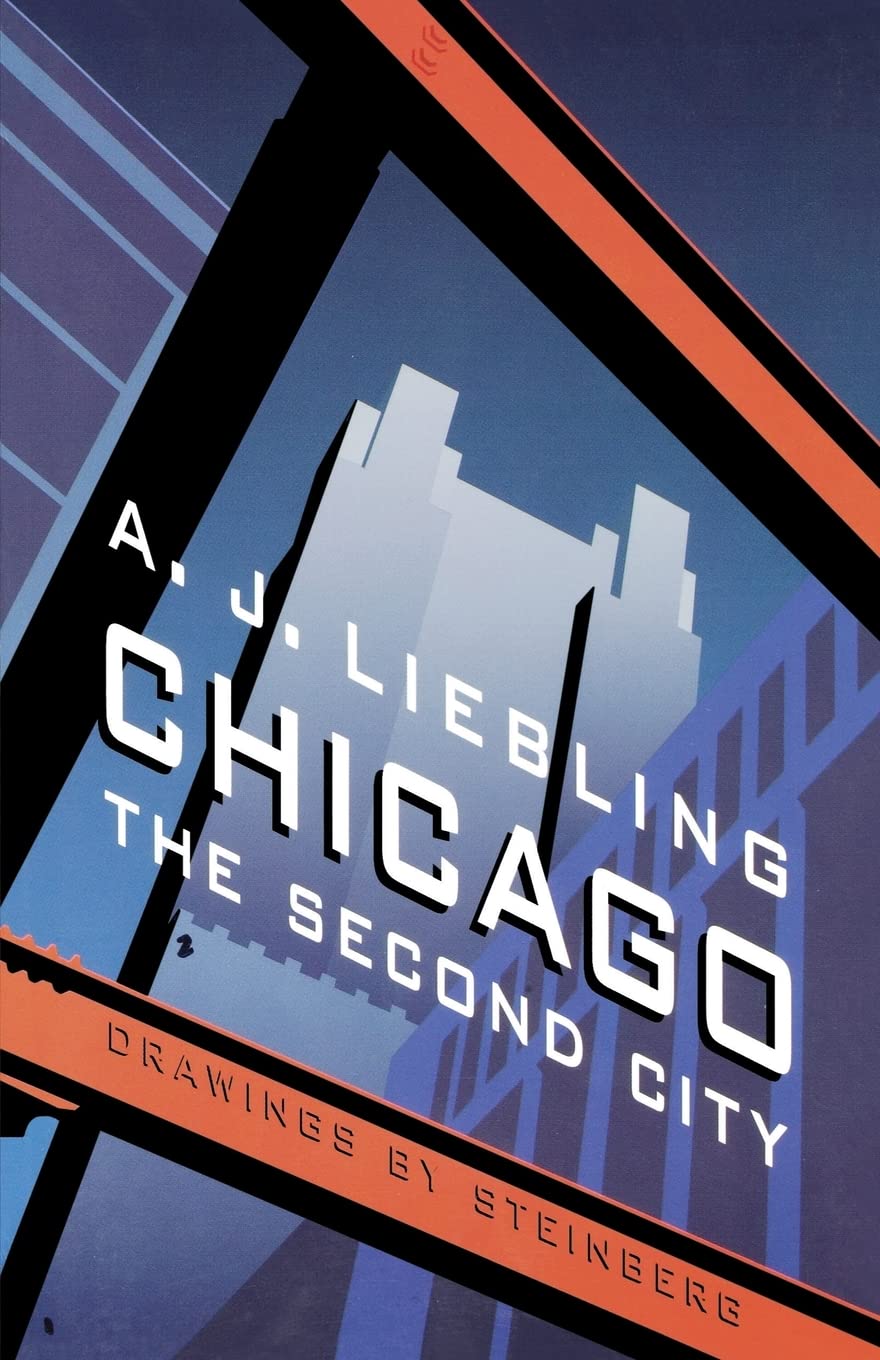
You’ve almost certainly seen Saul Steinberg’s 1976 New Yorker cover illustration View of the World from 9th Avenue, whether or not you read the New Yorker — and indeed, whether or not you were alive in 1976. Lower Manhattan dominates the image; beyond the Hudson river, all dissolves into near-abstraction, labeled only by a handful of city, state, or country names. These are rendered in upper-case letters with the curious exception of Chicago, off by itself in a featureless corner of the patch of green meant to represent the rest of the United States of America. On the cover of the New Yorker, such an image reads as self-deprecating. (Or rather, it would read as self-deprecating if it didn’t also transmit the assumption that the skewed perceptions it satirized are, on some level, justified.) When an earlier version of the same concept, which seems directly to have inspired Steinberg’s rendition, appeared in the Chicago Tribune in 1922, it must have come off as more resentful. But then, it could also have been drawn in the spirit of bullishness, given that Chicago in the nineteen-twenties seemed poised to overtake New York as the dominant city of the U.S.
By the end of the forties, when the New Yorker‘s A. J. Liebling spent a year in Chicago, those days were over. The question of what put an end to them drives the series of articles he published in the magazine, then in book form, in 1952. The slim Chicago: The Second City is somewhat filled out by an introduction and footnotes concerned almost entirely with the reactions the original pieces drew from Chicagoans. “The letters from the visitors, and from expatriates, were almost all favorable,” Liebling writes, while “those from people who were still there weren’t. The most catamountainous of all came from the suburbs; the people who wouldn’t live in the city if you gave them the place rose to its defense like fighters off peripheral air-fields in the Ruhr in 1944.” Certain of the responses quoted at length exhibit the kind of articulate quasi-literacy I associate with the early twentieth century. “Is Mr. Liebling forming a ‘Be Nasty to Chicago Club’???” asks one. Or perhaps he’s unwittingly “endeavoring to inspire helpful people to action at the Chicago front,” in which case “I should adore to board the next plane possible and be first in line to tenderly and encouragingly grasp the hand of Mr. Liebling as he staggers (I hope) backward from reading such reactionaries as this one of many of which he must be in recipience daily!”
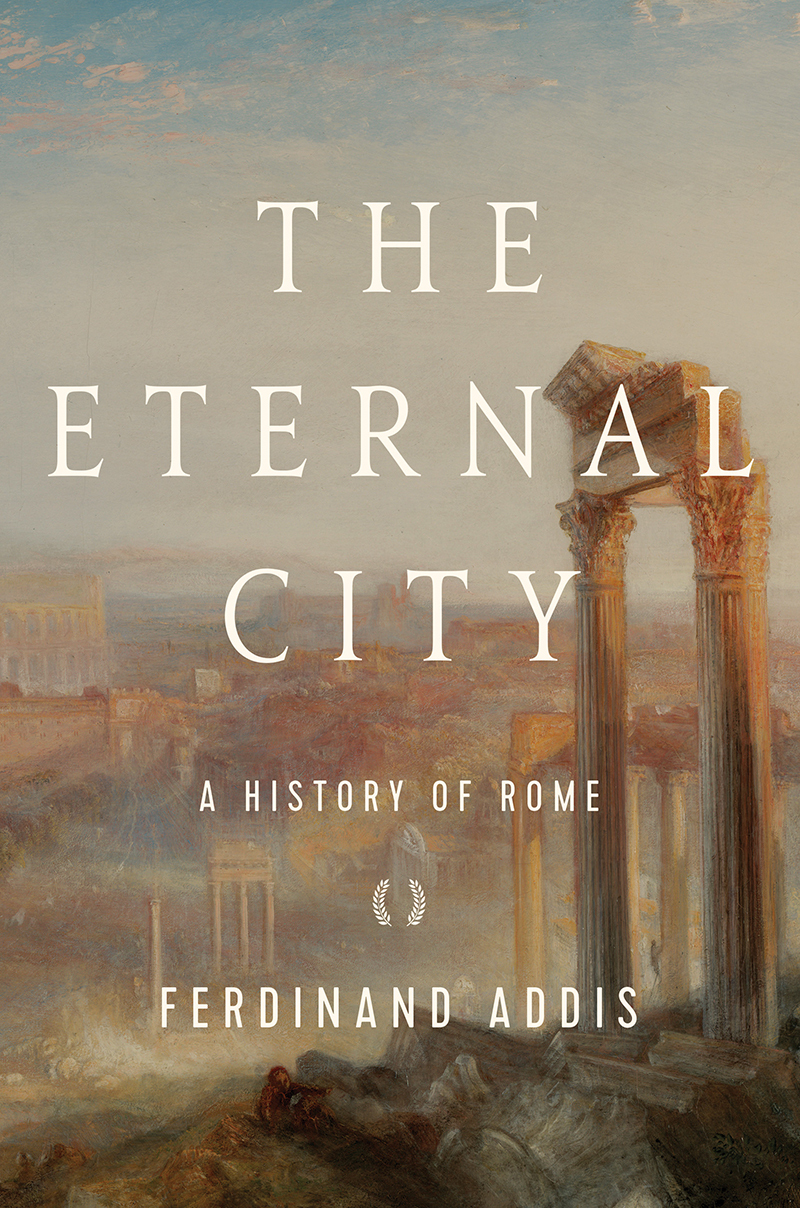
“Can’t overstate how much everyone must go see La grande bellezza,” Ferdinand Addis tweeted in September of 2013. “I want to spend the rest of my life staring at Toni Servillo’s forehead.” At that time, he was most widely known — to the extent that he was known to the public at all — as Ferdie Addis, author of books like Opening Pandora’s Box: Phrases We Borrowed From the Classics and the Stories Behind Them and I Have a Dream: The Speeches that Changed History (with Amen to That!: The Amazing Way the Bible Influences Our Everyday Language soon to be published). Though you wouldn’t necessarily visit the bookstore in search of these slim volumes, you might buy one on impulse, perhaps as a gift, upon spotting it beside the checkout counter. Whatever their raison d’être, these publications put Addis in the position be offered a contact to write a history of Rome, structured out of discontinuous episodes involving famed personages and high drama for maximum popular appeal.
In the event, he didn’t write that book. Or rather, that book wasn’t written by Ferdie Addis, specialist in breezily explanatory collections of notable facts and quotable quotes rapidly produced for, and consumed at the same speed by, the British market. To his history of Rome Addis bought the dignity of his non-truncated given name, as well as that of a non-truncated research and writing process, which ultimately took something like seven times the yearlong period originally specified by the contract. The resulting book was convincing enough to be marketable abroad as well. When it came time to sell it in the United States, as The Eternal City: A History of Rome, Simon & Schuster insisted on calling it the work of a “master historian.” Addis himself protested against that description, as he tells it in one podcast interview, perhaps because of his relative youth and inexperience, at least by the standards of the Roman history field. Or perhaps it had to do with his not being an academic: an admirable choice, to my non-academic mind, as is his use of BC and AD for dates instead of the institutionally fashionable BCE and CE.
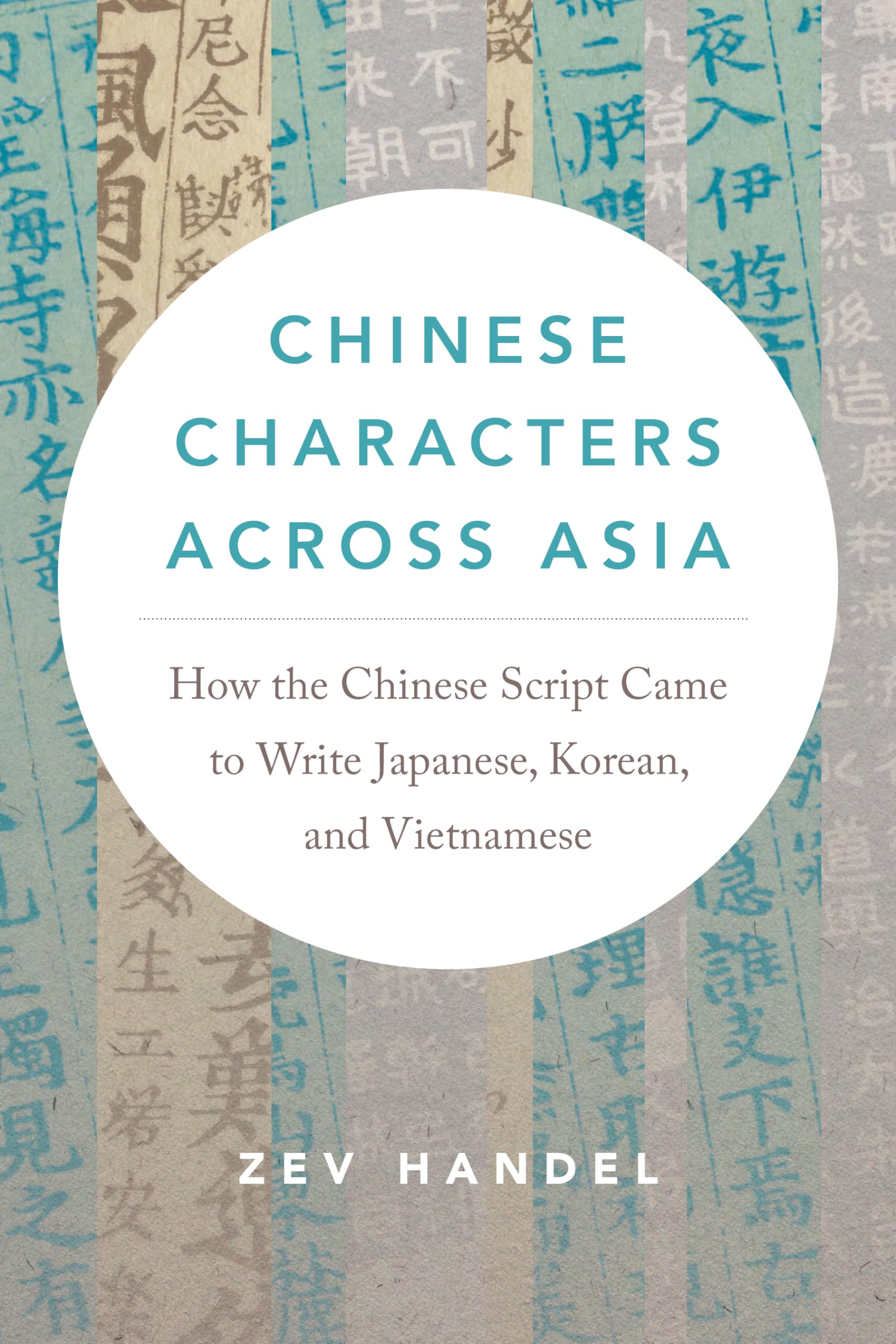
In January 2016, the linguist Geoffrey K. Pullum published a post at Lingua Franca,TheChronicle of Higher Education’s blog on language and writing in academe, bemoaning “the awful Chinese writing system.” To his mind, that system’s thousands of “discrete graphic symbols”—around 3,000 of which must be memorized “just to be able to read the morning paper”—constitute “a millstone round the neck of the whole Sinophone world, and should have been ditched decades ago.” The post drew enough attention that some of the lay readers to whom it circulated may have imagined the argument as the first of its kind. In fact, Pullum was making a minor, irritated contribution to a civilizational debate that had begun at least 120 years before. In 1896, a medical student in Shanghai named Shen Xue published a treatise declaring that Chinese characters “blocked the telegraphic wires, clogged the arteries of the brain, and prevented the advancement of scientific knowledge,” thus marching the once-mighty Qing Empire down the road to ruin.
It is with an account of this dubious but telling proposition that Uluğ Kuzuoğlu opens Codes of Modernity: Chinese Scripts in the Global Information Age (2023), a study of the efforts to reform the Chinese writing system that flowered amid the industrialization of the late 19th and early 20th centuries. Almost all such efforts had withered by 1986, the year that the State Council of the People’s Republic of China officially put an end to script reforms with a declaration that characters (a few thousand of which the Communist Party had ordered simplified, ostensibly for the sake of nationwide literacy rates and education levels, in the 1950s and ’60s), would not be replaced by pinyin, the approved system of rendering Mandarin in the Latin alphabet. Three decades thereafter, observers like Pullum were still ruing the fact that such an “obvious alternative” had been consigned to “purposes like teaching, writing foreign names, and machine-assisted character entry. It’s the awful character system that is central and revered.”
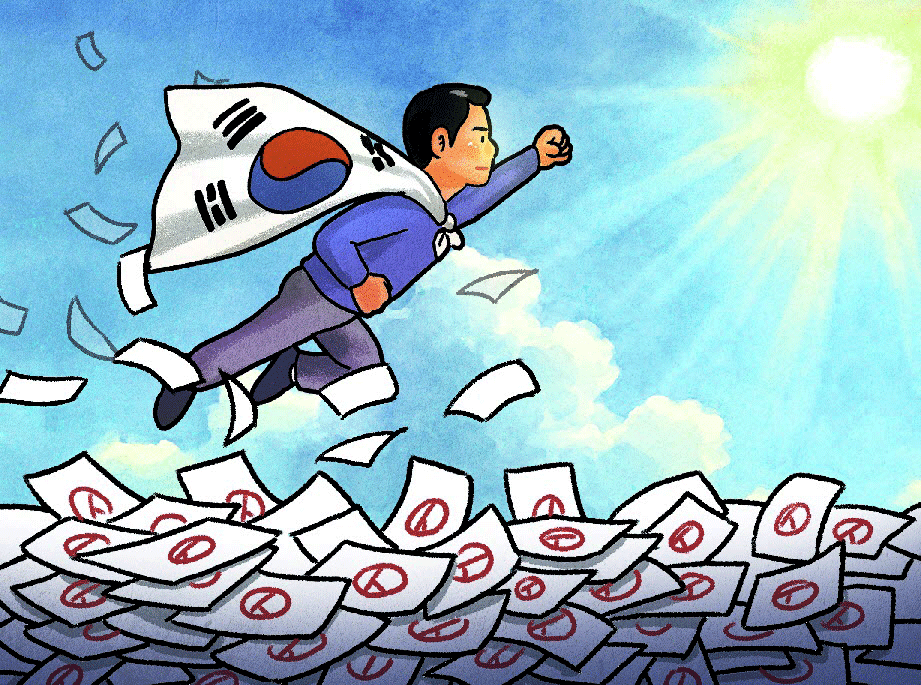
6·3 대선을 앞두고 나는 후보자나 정책을 넘어 한국의 종말이라는 주제에 대해 생각하게 됐다. 4월에 인기가 많은 독일 유튜브 채널 ‘쿠어츠게자크트(Kurzgesagt)’가 ‘한국은 끝났다(South Korea Is Over)’라는 제목의 동영상을 올렸다. 알록달록하고 유머러스한 애니메이션과 함께 통계를 자세히 소개하는 이 영상은, 한국의 저출산율이 2060년까지 인구, 경제, 문화, 심지어 군사력까지 붕괴시킬 가능성이 높다고 경고했다. 이 끔찍한 분석 영상은 두 달 만에 1200만 조회수를 기록했다. 작년 초 한국의 높은 자살률을 다뤄 화제를 모았던 미국 유튜버 마크 맨슨의 영상보다 조회수가 1000만이나 더 많았다.
내가 ‘한국은 끝났다’를 보며 가장 인상 깊었던 점은 영상의 내용보다 영상 아래 한국인들의 댓글이었다. 한국 사회가 점점 어려워지고 있다는 영상 속 묘사가 전혀 과장되지 않았다고 동의하는 한국인들이 적지 않았다. 그들은 소득은 너무 낮고, 직장 문화는 지나치게 힘들며, 경쟁이 과열됐다고 불평했다. 무엇보다 정치인들이 이 상황을 해결하려는 진지한 관심조차 보이지 않는다고 비판했다. 이번 대선에 출마한 후보들도 인구 위기를 막기 위한 여러 정책안을 제시했지만, 정치 평론가들은 현실적인 해결책은 거의 없다고 평가했다.