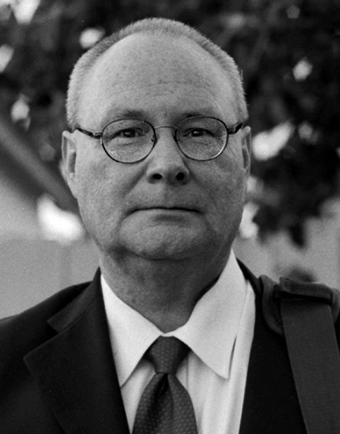
 Colin Marshall sits down in Lakewood City Hall with D.J. Waldie, author of books like Holy Land: A Suburban Memoir and Where We Are Now: Notes from Los Angeles, collaborator on books like Real City with photographer Marissa Roth, and a 34-year employee of the City of Lakewood as Public Information Officer and Deputy City Manager. They discuss the importance of Wallace Stevens’ “work and walking” to his own writing; his advice to the latest wave of Los Angeles newcomers looking for solutions to the problem of how to live here; what it means to lead a “redemptive” suburban life, and whether “suburban” means the same thing to every writer; Lakewood and other rapidly built postwar tract-home communities as exciting, frightening experiments in living from which new democratic vistas could well; the meaning of Lakewood’s motto that “Times Change, Values Don’t”; how considerable variation can arise from built uniformity; his premise that there are no “good” places, and his ongoing interest in the question of what would happen if you fell in love with the place where you are; how knowledge of a place, if not quite love for it, can enrich the experience of that place; how the newest Angelenos seem to long to connect to and invest in their place; and how Los Angeles’ resistance to its own history has contributed to bad choices over the years, leading to frustrations financial, racial, and otherwise.
Download the interview from Notebook on Cities and Culture’s feed here or on iTunes here.
(Photo: Tom Johnson)


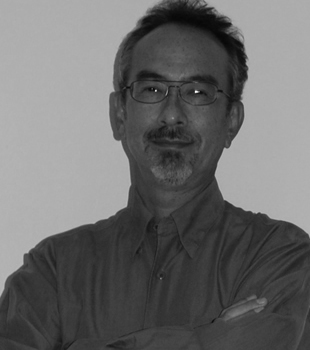 Colin Marshall sits down in Little Tokyo with novelist
 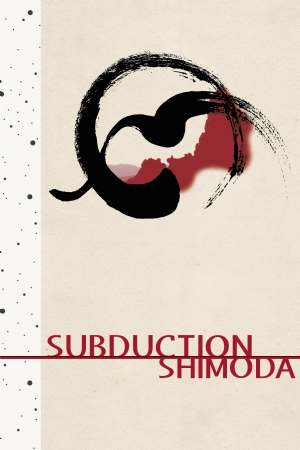 Angelenos, you can catch me live-interviewing
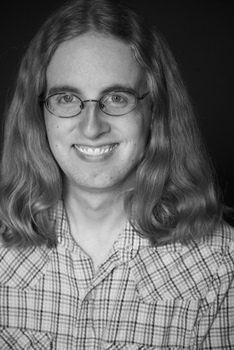 Colin Marshall sits down in Barnsdall Art Park with Hollywood Steve Huey, writer and media personality, former critic at

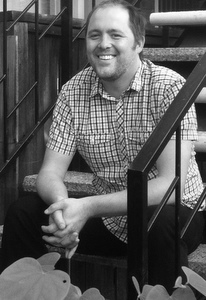 Colin Marshall sits down in Silver Lake with Eric Brightwell, proprietor of both