I’m a Seoul-based essayist, broadcaster, and public speaker on cities, language, and culture. On Substack newsletter Books on Cities, I write long-form essay-reviews on exactly that.
콜린 마샬은 도시와 문화를 포함해서 여러 주제들에 대하여 에세이를 쓰는 수필가이다. 그 에세이들은 <뉴요커>와 <가디언> 그리고 <로스 앤젤레스 리뷰 오브 북스> 같은 주로 영미권 매체에 실리고 또한 그는 한국 문학 잡지 <Axt>에 기고한 적이 있고 <동아일보>에 칼럼을 기고하고 있다. 모국인 미국에서 30년 넘게 살며 10년 동안 라디오 방송과 팟캐스트에서 인터뷰을 진행했다. 그 후에 로스앤젤레스의 한인타운을 거쳐 세계에서 제일 큰 한인타운인 서울로 이사왔다. 서울에 사는 동안 <콜린의 한국> 팟캐스트를 운영하며 작가와 교수을 비롯하여 건축가와 방송인 같은 다양한 사람들을 여전히 인터뷰한다. 첫 번째 책 <한국 요약 금지>는 2024년에 출판되었다.
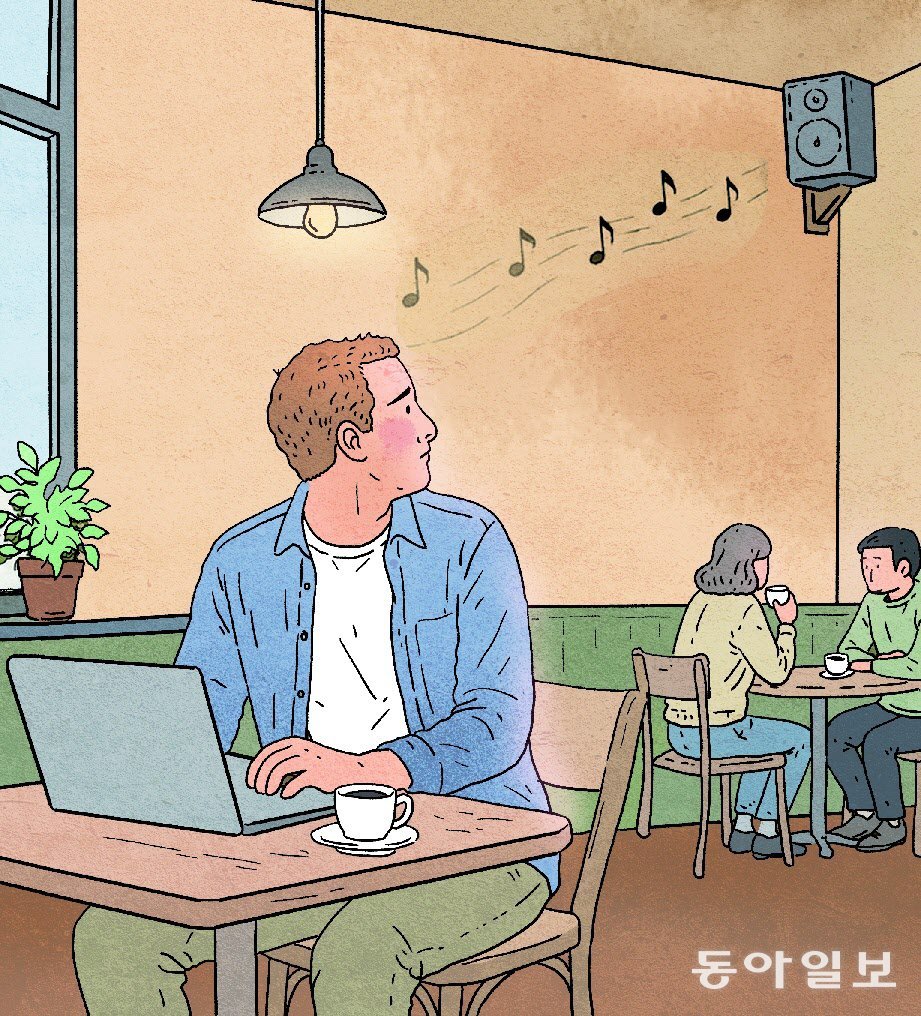
나는 프리랜서로 일하며 거의 매일 글을 쓰러 카페에 간다. 물론 글을 쓰기에 좋은 곳이 있는가 하면 그렇지 않은 곳도 있다. 얼마 전에는 평소 잘 가지 않던 동네의 작은 커피숍에서 일하다가 이상한 경험을 했다. 다른 카페들과 마찬가지로 그곳에서도 하루 종일 음악이 흘러나왔다. 한국 카페의 음악은 미국 카페보다 두 배쯤 더 시끄럽지만, 한국에 산 지 10년이 넘은 나는 이미 오래전에 익숙해졌다. 그런데 그날 나를 괴롭힌 것은 음량이 아니었던 것 같다. 문제는 시간이 지날수록 음악 자체가 점점 불쾌하게 느껴졌다는 데 있었다.
처음에는 그저 단조로운 서양 음악이라고 생각해 별로 신경 쓰지 않았다. 그러나 한두 시간이 지나자 노래들이 서로 매우 비슷하다는 것을 알아차렸다. 엄밀히 말하면 가수들의 목소리가 똑같지는 않았지만 거의 차이가 없었다. 영어 가사가 나오는 K팝 노래들과 달리 문법에 어긋나는 부분은 없었지만, 의미는 매우 모호했다. 단어 몇 개만 바꾼 듯한 비슷한 문장도 계속 들려왔다. 이런 음악이 어디에서 온 것인지 궁금해져 주변에서 들리는 노래의 제목과 가수를 알려주는 ‘샤잠(Shazam)’이라는 애플리케이션을 열었다. 하지만 아무리 시도해도 검색 결과가 나오지 않았다. 그제야 내가 무엇을 듣고 있었는지 깨달았다.
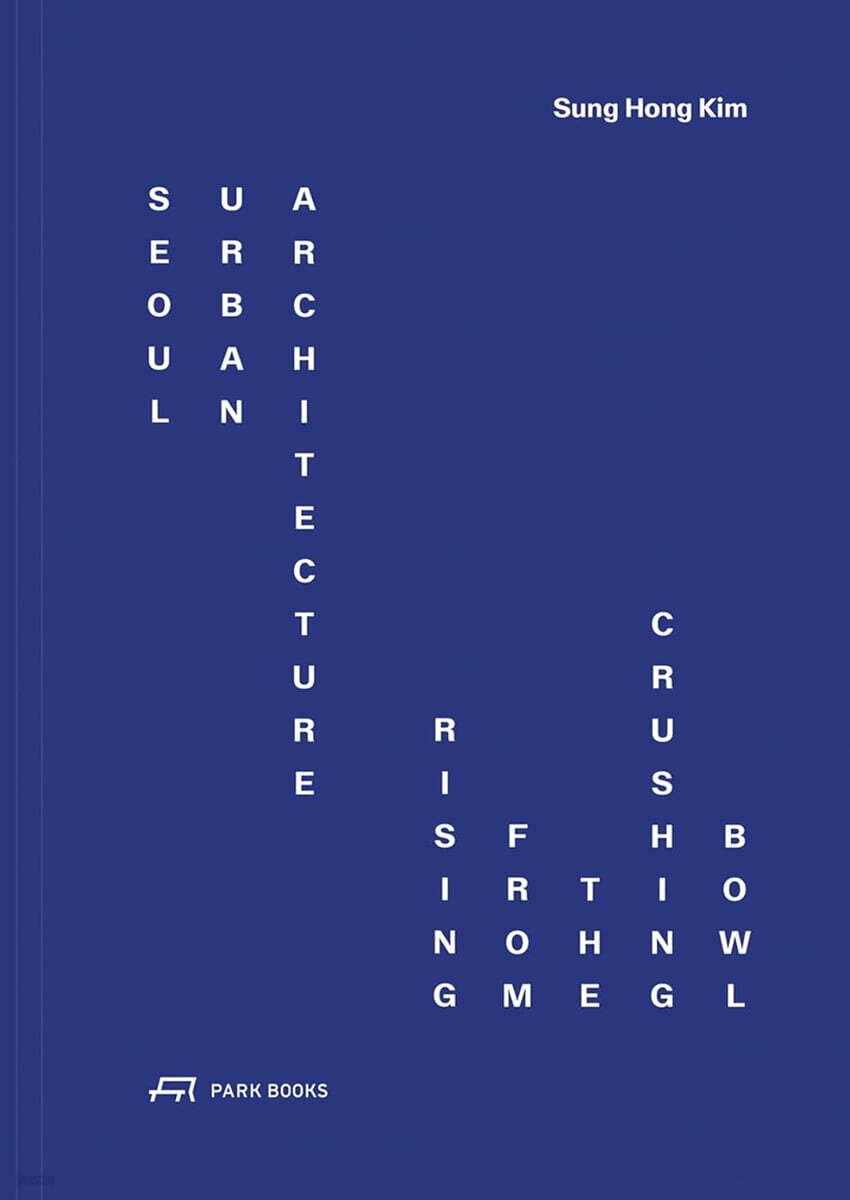
First-time visitors to Seoul tend to go home favorably impressed by the city on the whole, if not by its appearance in particular. Some may feel relieved to find that, contrary to the impression given by so many photographs in Western media, it isn’t just mile after unrelieved mile of indistinguishable tower blocks. Yet apart from certain central tourist sites, like Gyeongbokgung, the main royal palace, or Namsan, the mountain with its speared-revolving-restaurant tower, few of its vistas remain in memory for long. Seoul’s built environment can strike outsiders as at once too monotonous and too eclectic: architectural form and decoration do vary, but mostly in odd or illegible ways. It must also strike some insiders similarly, given the proliferation in recent years of Korean books about the proper arrangement of urban space, certain of whose authors have risen to at least minor celebrity status. The architect Yoo Hyunjoon, for instance, has extended his brand with a popular Youtube channel called Sherlock Hyunjoon, on which he often investigates the mystery of why the development of Seoul has produced results so much less satisfactory than in other world cities.
Though I enjoy Yoo’s work — despite, come to think of it, still being unfamiliar with his actual architecture — I can’t say that I share his opinion of Seoul’s deficiencies, even after having spent more than a decade here. To my mind, it has no deficiencies, or at least none that bother me enough to inspire fantasies about living elsewhere. This view isn’t entirely uncommon among longtime Western expatriates, even those who reliably launch into rants against Korean society a few drinks into the night. Many of us, after all, moved here from countries whose major cities, despite their considerable wealth, suffer from impediments to business, rates of violent crime, inadequacy of public transit, and daily inconveniences that simply wouldn’t be accepted in twenty-first-century Seoul. To us, the existence of usable restrooms in every single subway station feels like nothing short of a miracle, as I often tell bemused Koreans. (”But where do you go in New York if it’s an emergency?”) Many of them seem not to perceive these qualities — or rather, to perceive more clearly the fact that their capital has nothing to match Central Park, Champs-Élysées, or even the alleyways of Tokyo.
이번 주 토요일은 미국의 독립기념일이다. 한국에서 오랫동안 살고 있는 미국인인 나는 매년 7월 4일이 다가오면 늘 모국을 생각하게 된다. 사실 대부분은 그리 긍정적이지 않은 것들이다. 인프라는 낙후돼 있고, 소송은 지나치게 많으며, 대중문화는 점점 더 유치해지고 있는 미국에 대해 불평할 거리는 셀 수 없이 많다. 하지만 내가 보기에는 그러한 단점들을 거의 상쇄할 만큼 큰 장점도 하나 있다. 바로 표현의 자유라는 개념이다.
한국에 처음 오는 미국인들은 흔히 이 나라가 생각보다 이국적이지 않다고 느낀다고 한다. 하지만 바로 그 익숙함 때문에 나중에 마주하게 되는 양국의 차이점이 오히려 더 놀랍게 다가올 수 있다. 나의 예를 들어보면 한국에서는 형법상 명예훼손죄에 따라 사실을 말한 사람도 처벌받을 수 있다는 사실을 알고 큰 충격을 받았다. 거짓말이 범죄가 될 수 있다는 것은 당연하게 받아들일 수 있지만, 사실을 말하는 것조차 범죄가 될 수 있다는 점은 한국에 온 지 얼마 되지 않았던 당시의 나로서는 이해하기조차 어려웠다.
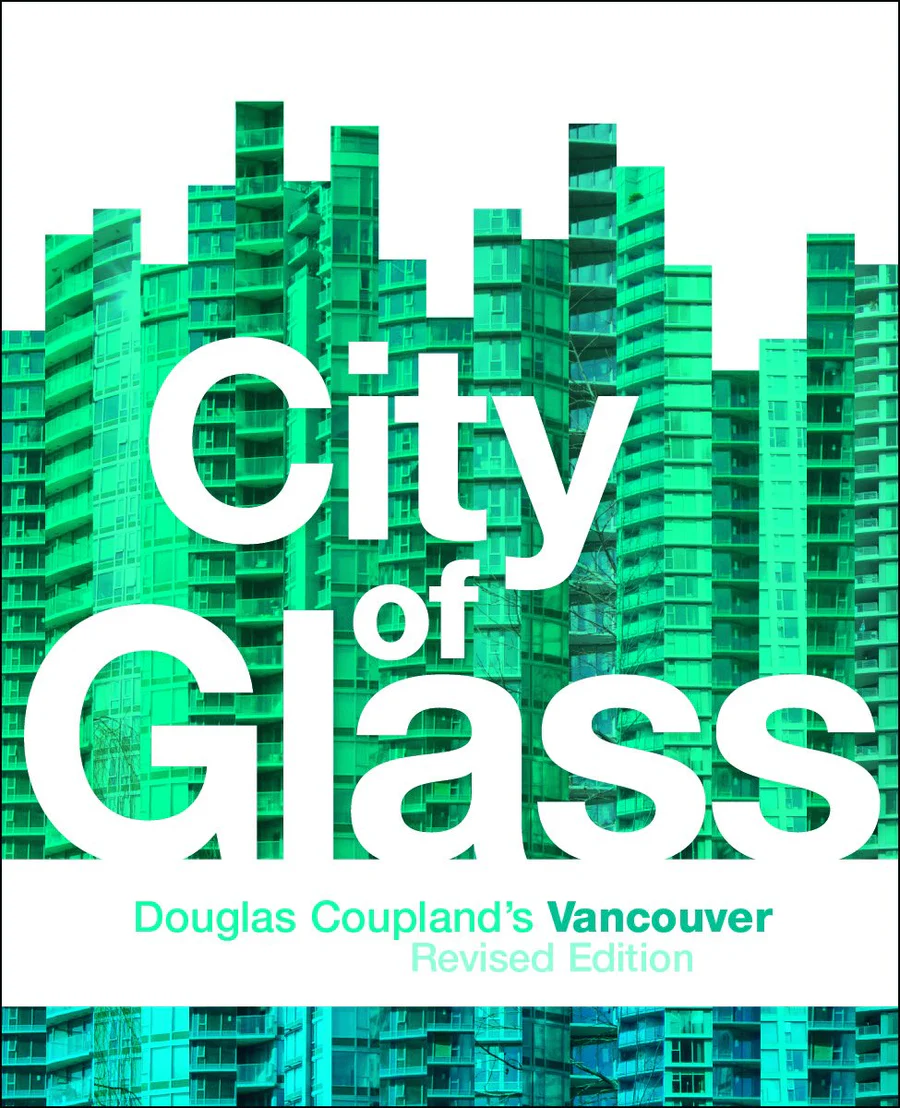
The SkyTrain, Vancouver’s current rail transit system, first went into service 40 years ago. Several promotional shorts made in the run-up to its opening are available to view on Youtube, the most elaborate of which is “Goin’ to Town.” Produced not long before the opening of SkyTrain’s first line, itself scheduled not long before the opening of Expo 86 world’s fair, the film captures both the aesthetic of its historical moment and the mild but relentless tone of Vancouver boosterism in the twentieth century and early twenty-first.
“It seems as though the city and the people who are the city have bloomed to fulfill a new sense of destiny, to greet a beckoning capacity for urban maturity and share it with the rest of the world,” intones the consummate eighties-informational-video narrator over the final shots of the skyline at sunset. “The measure of a city must be the freedom of people to move and interact within it. The extent to which the city makes them happy and safe while doing so is the measure of its greatness.”
Well, that’s a measure of its greatness, in any case, and one that sounds pleasing but upon reflection curiously unambitious, much like the principle of “peace, order, and good government” often cited as central to Canada’s confederation. Also telling is the fact that the closing narration doesn’t mention Vancouver by name; “the city,” incidentally, was also how the cast of the contemporary Toronto-filmed cop drama Night Heat invariably referred to the show’s setting.
Berlin, one often hears, is not Germany. Since only four or five percent of the country’s population lives there, that makes a kind of sense. But Berlin also happens to be Germany’s largest city by a fairly wide margin: the second-largest, Hamburg, has at least 1.5 million fewer people; less populated still are Munich, Cologne, Frankfurt, Stuttgart, Düsseldorf, and Lepizig. Yet even someone who’s never set foot in Germany is likely to know not just their names, but also something about their identities.
In China, by contrast, there are several cities more than double Berlin’s size of whom few Westerners have ever heard, to say nothing of their global cultural profile. If the likes of Shenyang or Dongguan have any plans to become the next big hot spot for international art or club culture, word has yet to get out. But Berlin has punched in a metropolitan class farther above its weight than any other city in Europe, and perhaps the world, for at least a century — including the troubled years of the Second World War, which left the German capital defeated, demoralized, and devastated.
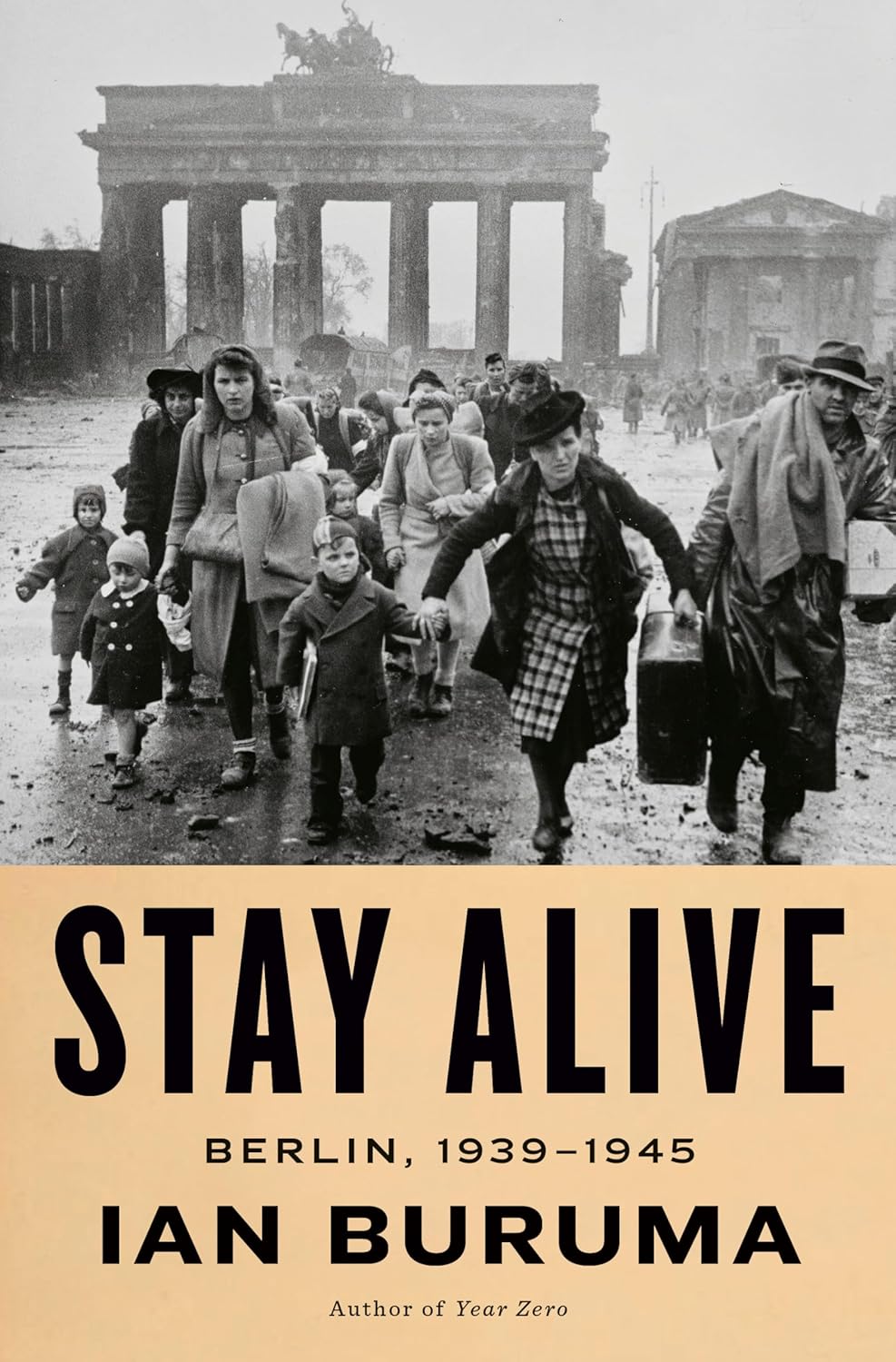
That’s the very period covered by Ian Buruma’s new Stay Alive: Berlin, 1939-1945. Buruma, now one of the few permanent residents of my to-read list, first came to my attention with his early books on Japan, where he lived in the seventies, as well as his writings on Asia in general. (Though not a Korean speaker, he’s also written more astutely on Korea than most outside observers.) Despite occasional manifestations of his interest in cities, such as a talk on anti-urbanism for the Architectural Association in 2002, I never let myself expect a proper city book from him, though his memoir A Tokyo Romance did come close.
외국인들이 한국어를 배울 이유는 어느 때보다도 많다. 외국인들은 K팝 노래의 가사를 알아듣고 싶어 하고, K드라마나 영화의 대사를 더 깊이 있게 이해하고 싶어 한다. K문학을 번역본을 넘어 원문으로 읽고 싶어 한다. 여행지로 인기를 끌고 있는 한국을 방문하는 꿈을 꾸는 외국인들도 적지 않다. 하지만 예전부터 문화적 영향력이 컸던 일본의 언어와 정치적·경제적 영향력이 날로 커지는 중국어가 아닌, 특별히 한국어를 공부할 이유가 있을까? 사실 아시아 언어에 호기심이 있는 서양인들에게 한국어는 결정적인 장점을 하나 가지고 있다. 그것은 바로 중국어나 일본어와 달리 한자를 외울 필요가 없다는 점이다.
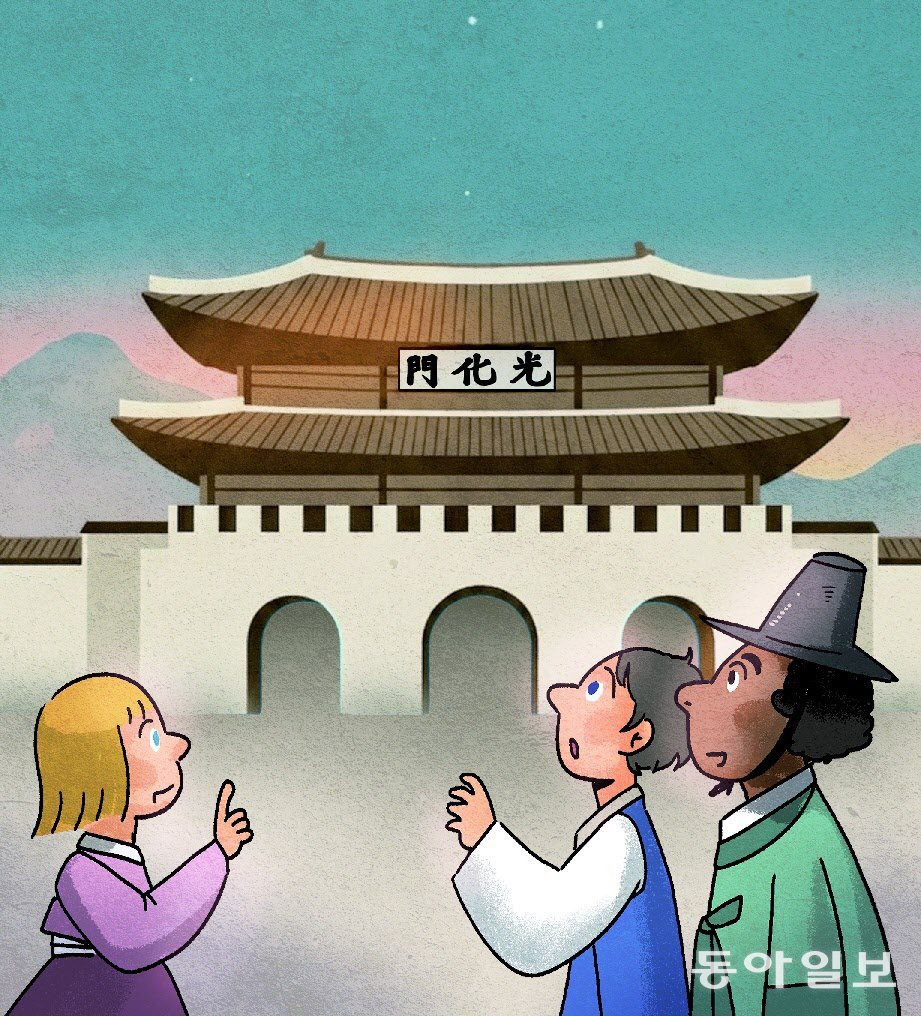
한국을 처음 방문한 외국인 관광객들이 예외 없이 찾는 장소를 떠올려 보자. 서울 강남이나 광장시장, 그리고 비무장지대(DMZ) 등이 생각날 수 있다. 가장 인기 있는 관광지 중 하나인 경복궁과 광화문 일대는 말할 것도 없다. 한복 대여점에서 한복을 빌려 입은 외국인들이 광화문에 도착하자마자 마주하게 되는 것은 뭘까. 바로 ‘光化門’이라고 한자로 쓰인 현판이다. 이러한 광경은 한자를 공부하지 않아도 된다고 생각했던 외국인에게 충격을 줄 수밖에 없다. ‘한국이 중국의 식민지였다’고 오해할 가능성도 있다.
On the social media platform formerly known as Twitter, one genre of occasionally viral post involves images or videos of American phenomena that “the European mind cannot comprehend.” Recent examples turned up in a search include a morbidly obese old-west cosplayer winning some kind of contest at a shooting range; a man using a flamethrower to clear snow off his driveway; an alligator attempting to climb into a boat only to be slapped off by its pilot, and photographs of the interior of a Buc-ee’s, a chain of enormous just-off-the-freeway convenience stores now spreading outward from Texas. Despite being American myself, I’ve never seen any of those sights in person, though I do hope my next visit to the U.S. includes a stop at a Buc-ee’s. My interest was piqued in part by an enthusiastic post about it on Lost in the USA, a blog by a French couple who’ve traveled my native land much more extensively than I ever will.
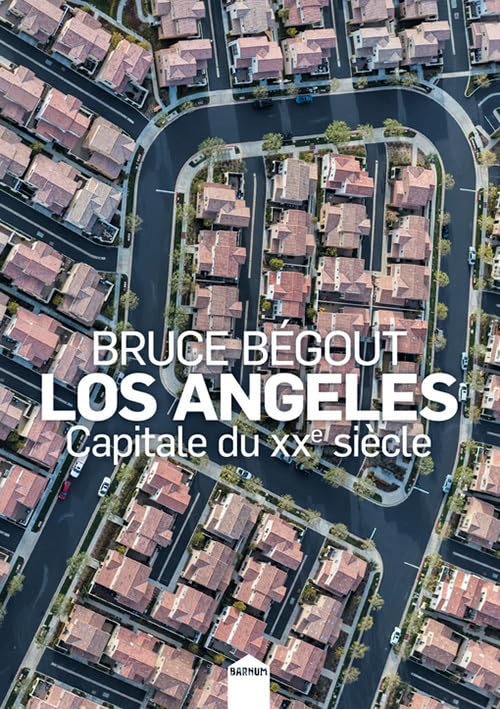
Though Americans are notorious for their unwillingness to learn to learn foreign languages, even the most travel-resistant could benefit from doing so in order to attain a fuller view of their homeland. That view would encompass not just criticisms made from afar, but also praise for the qualities of life in the U.S. that they take for granted, or at least find difficult to perceive due to their sheer normality. Some Texans may seize any excuse to pull into a Buc-ee’s, but how often do they stop to consider what its existence says about the nature of American civilization? That line of thinking, I admit, probably occurs much more readily to the European mind in general, and the French mind in particular. It certainly does to that of the philosopher Bruce Bégout, a specialist in phenomenology who’s also written books on airports, the American motel, the hyperrealist sculptor of the lumpenproletariat Duane Hanson, and Las Vegas. When I came across his most recent book on a specifically American subject Los Angeles, capitale du XXe siècle at the Centre Pompidou bookstore, its appeal to my sense of incongruity proved too strong to resist.
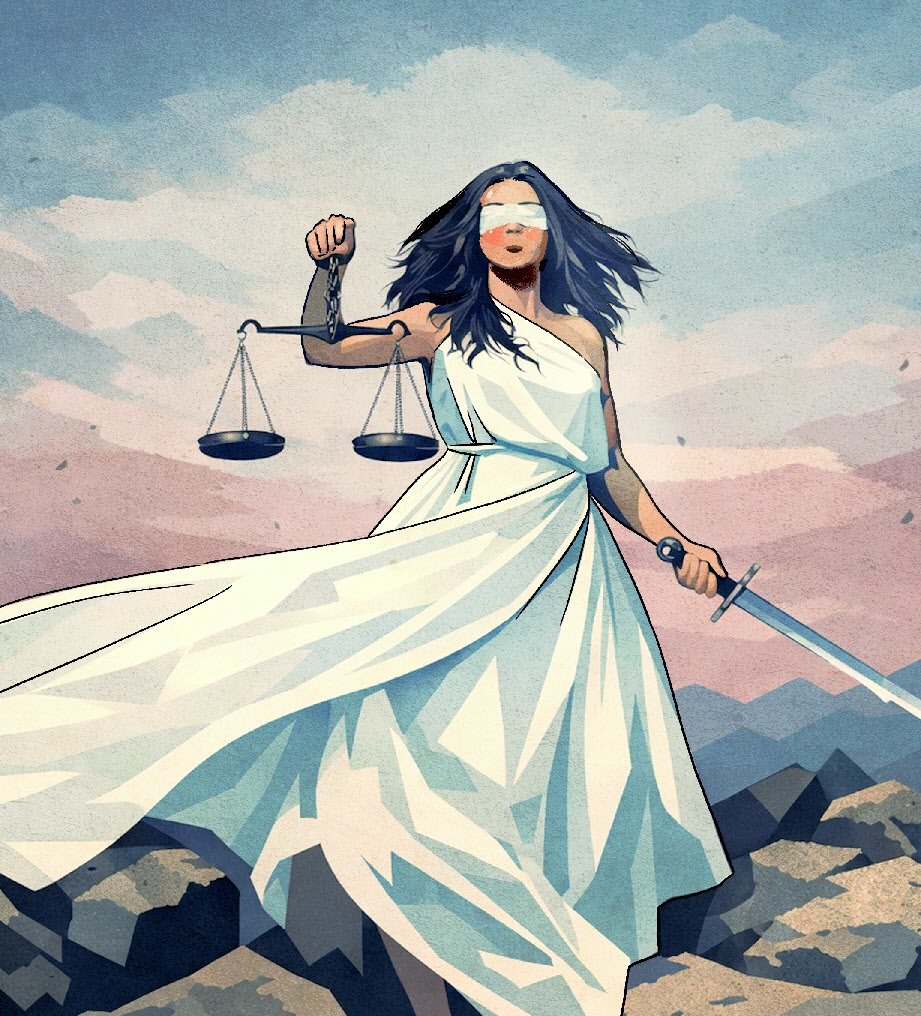
지난 10년 동안 한국의 서점과 지인의 집에서 자주 봤던 마이클 샌델의 스테디셀러 ‘정의란 무엇인가’를 최근 읽게 됐다. 이 책을 집어 든 이유는 한국과 내 모국인 미국에서 벌어진 여러 사건들이 ‘정의’의 개념에 대해 생각하게 했기 때문이다. 그중 하나는 윤석열 전 대통령이 내란 재판에서 종신형을 선고받은 사건이었다. 형벌이 과한지, 아니면 정당한지 쉽게 판단하기 어려운 판결이었다. 또 다른 사건은 한 지상파 방송에서 최근 방영된 ‘여수 4개월 영아 사망 사건’의 정황이었다. 해당 영아는 욕조에서 익사한 채 발견됐다.
잘 알려져 있듯 ‘해든’(가명)이라 불리는 그 아기는 사망 전 어머니로부터 심한 학대를 당했고, 그 장면은 홈캠에 고스란히 담겼다. 이 소식은 온 나라에 충격을 안겼다. 아이를 키우는 사람들에게는 말로 표현하기 어려울 만큼 끔찍한 사건이었다. 해든이와 같은 나이의 쌍둥이를 둔 아버지인 나로서는 그러한 학대를 저지른 부모가 사형을 받더라도 너무 관대한 처벌처럼 느껴진다. 그러나 한 걸음 물러서 객관적으로 바라보고 어떤 결과가 가장 옳은지에 대해 생각해 볼 필요도 있다. 이런 상황에서 과연 정의란 무엇일까.
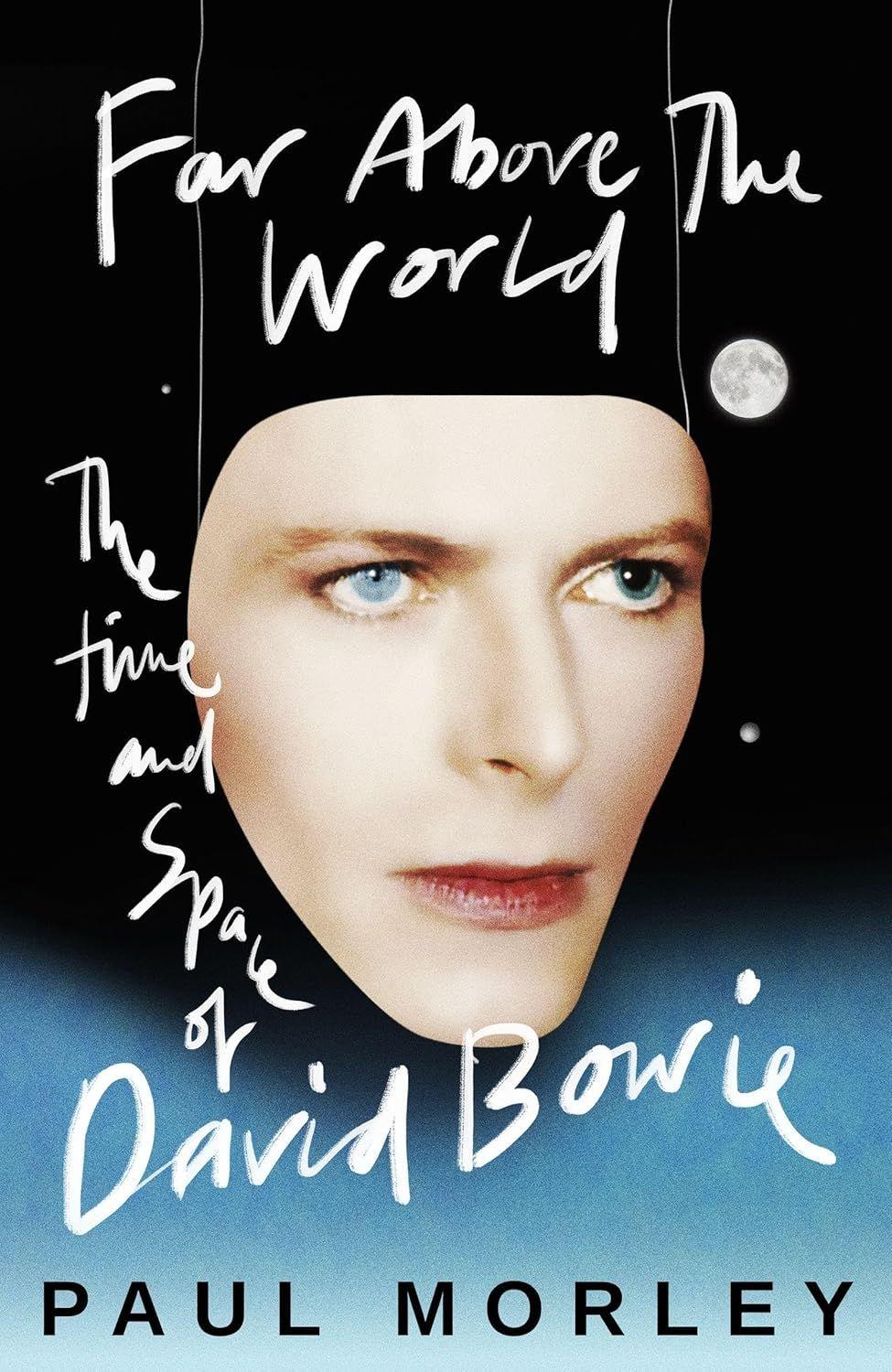
We now find ourselves living through one of those periods when everything seems to be going wrong. Economic troubles, the COVID-19 pandemic, two separate elections of Donald Trump to the presidency of the United States, large-scale destruction grinding on in places like Ukraine and Palestine, the proliferation of ever more trivial and addictive forms of social media, the pollution of the intellectual commons with meaningless content generated by artificial intelligence—to certain minds, this unfortunate streak began exactly 10 years ago, with the death of David Bowie. “The progressive intellectual life of moral critiques and ethical idealism that Bowie savoured, a romantic view of the world, turned to ash,” writes Paul Morley, a music journalist who contributed to New Musical Express in the late 1970s and early ’80s, in Far Above the World: The Time and Space of David Bowie (2025). “The kind of thoughtful, articulate and radical celebrity like Bowie started to seem as out of place as a silent movie star, as though ideas and complicated thinking were now as quaint as Chaplin and Keaton.”
Far Above the World is Morley’s second book about Bowie. The first, The Age of Bowie: How David Bowie Made a World of Difference, came out in July 2016, just six months after its subject shuffled off this mortal coil—or, as some fans would no doubt prefer to put it, returned to orbit. Written, in a kind of challenge to himself, in just 10 weeks’ time, the earlier book benefited from a degree of first-mover advantage, vulnerable though it was to charges of excessive speculation and self-indulgence. The intervening decade has given Morley ample time to write a more levelheaded meditation on his idol, indulge though his new book does in hyperbole of its own. “When David Bowie died, the universe itself groaned,” he writes in his introduction. “It too needed time to mourn. It slumped, lost in thought.”
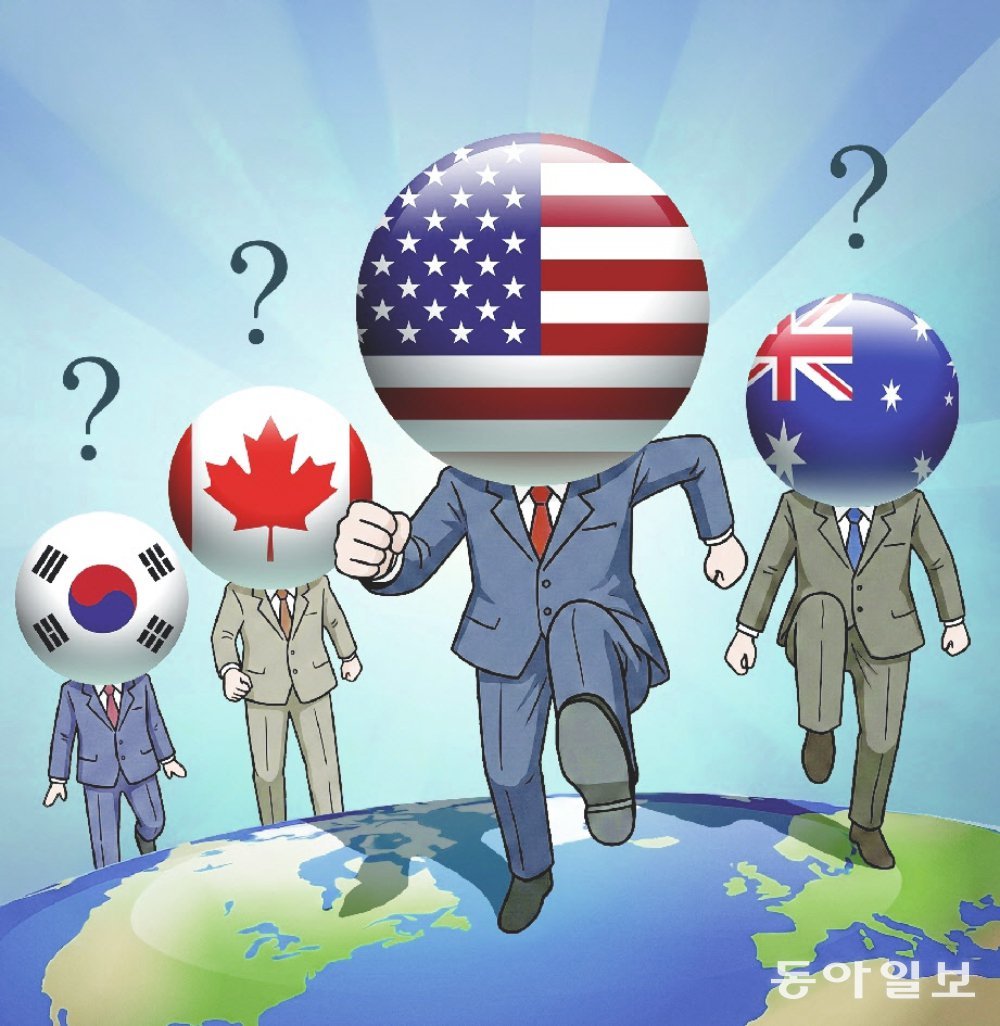
도널드 트럼프 미국 행정부는 1월 초 니콜라스 마두로 베네수엘라 대통령의 안전가옥을 급습해 그와 부인을 체포한 뒤 미국 뉴욕으로 강제 압송했다. 트럼프 대통령은 이어 “당분간 미국이 베네수엘라를 운영해야 한다”고 밝혔다. 마두로 정권 아래에서 빈곤과 불안에 시달려 온 베네수엘라 시민들은 이를 반가운 소식으로 받아들였을 가능성이 높다. 미국이 세운 지도자가 독재자 마두로보다 더 나쁠 가능성은 낮다고 여기는 탓이다. 그러나 갑작스럽게 이뤄진 정권교체가 던지는 메시지는 가볍지 않다. 미국이 국제질서를 넘어 다른 국가의 권력구조까지 뒤흔드는 힘을 지녔다는 사실을 확인했기 때문이다.
미국은 제2차 세계대전 이후 줄곧 그런 위치를 차지해 왔다. 미군의 보호를 받아 온 적지 않은 나라들로서는 이를 문제 삼을 이유가 크지 않았다. 그러나 예측하기 어려운 성향을 지닌 트럼프가 대통령으로 처음 선출된 이후, 이 같은 무사안일주의는 오히려 위험 요인이 되고 있다는 평가가 나온다. 호주 역사학자 에마 쇼티스도 그중 한 사람이다. 그는 지난해 출간한 ‘미국 후(After America)’를 통해 호주가 더 이상 미국에 의존할 수 없는 시대를 상정하고, 대비해야 할 시점에 이르렀다고 주장했다.