Skip to content

Five years at Open Culture

As of today, I’ve been writing for Open Culture on a variety of ever-more-interesting subjects, from wherever in the world I can get wi-fi, every single weekday for five years. My total post count now comes to over 1,300, but here are twenty of my hand-picked favorites to give you a sense of both the site itself and the sort of cultural figures, works, and concepts I’ve spent much of the past half-decade considering:

The Korea Times: Discovering Seoul’s Urban Fabric by Bus

I’ve seen ― and learned ― so much about this city from the windows of buses. They’ve shown me the hillside urban villages normally blocked from view by high-street towers; the less-developed and lower-key but nevertheless fascinating urban spaces between well-known districts like Hongdae and Insadong, Myeongdong and Itaewon (all filled with tourists who seldom stray outside their boundaries); and the veritable hidden labyrinth of covered market streets threaded through the neighborhoods between where I live in Sinchon and downtown.

Soon after I first came to Korea, I made the effort to better understand the nature of Seoul’s distinctive and ever-changing urban fabric by avoiding the subway whenever possible ― no matter how much I admire it.

Veteran subway riders may know the subway map intimately, but that hardly translates to knowing the city itself; they may grow familiar with many individual neighborhoods, but without much understanding of how those neighborhoods connect to one another and what lies between them.

The seeming complexity of the Seoul bus system, in not just its extent but variety of routes and the shapes, sizes and colors of the vehicles that run them, can intimidate potential riders, especially foreign ones. But even a basic understanding of how the buses work enables ― for tourists and longtime residents alike ― the discovery of Seoul, not in fragments, but as a whole.

Read the whole thing at the Korea Times. See also the broadcast on Seoul by bus I did one of the monthly urbanism segments on TBS eFM’s Koreascape.

Seoul Urbanism on TBS eFM’s Koreascape: Euljiro Underground Shopping Center

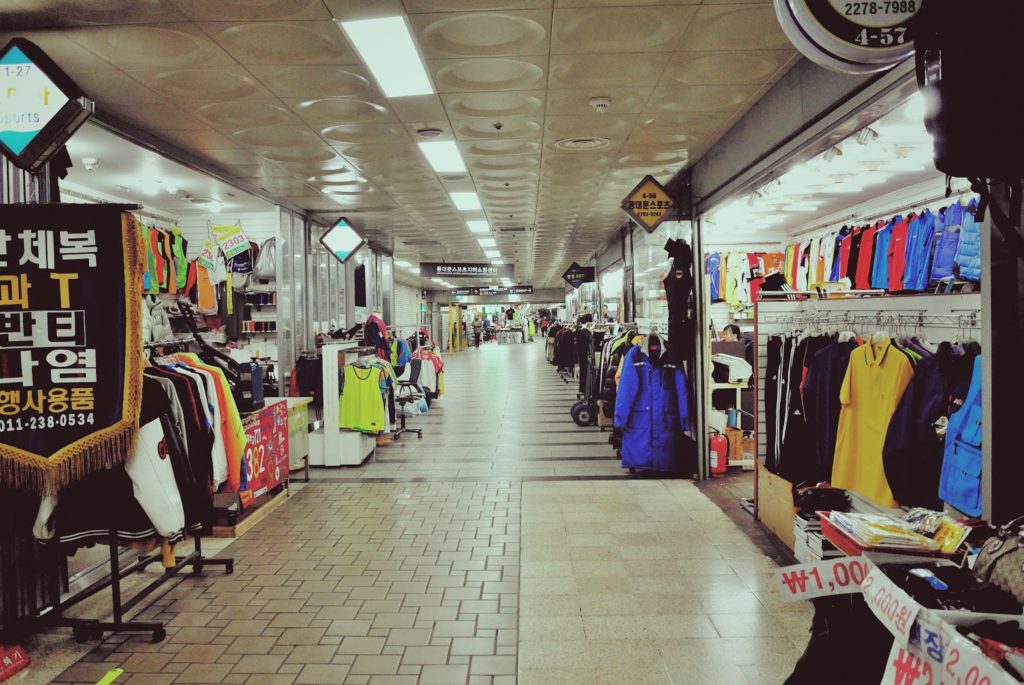
Each month I join Kurt Achin, host of Koreascape on Seoul’s English-language radio station TBS eFM, for an exploration of another one of Seoul’s urban spaces. This time we head down into the Euljiro Underground Shopping Center, a nearly two-mile-long subterranean street running beneath downtown from the City Hall to the Dongdaemun History and Culture Park Line 2 subway stations. Initially opening for business in 1983 at the same time Line 2 itself did, its ever-changing selection of shops supply everything from tailored clothing to computer equipment to medical supplies to punch clocks to electronic cigarettes to freshly baked bread and freshly roasted coffee — not to mention a safe haven from the weather during cold winters like this one. The Euljiro Underground Shopping Center can feel like a part of the city time forgot, but now that it has begun providing space for art installations and hosting exhibits like those of the recent Seoul Architecture Festival, what does its future hold?

Stay tuned for further explorations of Seoul’s architecture, infrastructure, and other parts of the built environment. You can hear our previous segments here.

Korea Blog: Haruki Murakami Has More Books in Korean than He Ever Will in English

Whenever someone has made progress studying a foreign language and asks which author they should try reading in that language, I always recommend the same one: Haruki Murakami. Though perhaps an obvious choice for students of Japanese, his mother tongue and the language in which he writes, his work has now made it into about fifty different languages in total. His stories’ globally appealing style, their abundance of non-Japanese cultural references, and their translation-ready prose style (legend has it he overcame an early bout of writer’s block by writing his first novel in what English he knew, then converting it back to Japanese) make them work just about as well in French, Polish, Turkish, Hebrew, or Mandarin as they do in the original.

When first reading novels in a foreign language, it helps to start with ones you already know from your own; undistracted by the plot, you can then focus exclusively on the mechanics of the words and sentences delivering it. Given Murakami’s enormous popularity (not to mention the evangelical nature of many of his readers) most enthusiasts of current fiction will already have read or at least encountered a few of his books. I first found my way into his work, as many do, through his first big bestseller Norwegian Wood, the vaguely autobiographical tale of a college student in 1960s Tokyo caught between two young ladies, one his dead best friend’s countryside sanatorium-committed ex-girlfriend, the other a lively and independent urbanite. From there I went on to read all of Murakami’s books available in English, then started over again with Tokio BluesNorwegian Wood in Spanish.

During that re-reading of his oeuvre — or rather, obra — Murakami published a few more novels. The year before I moved from Los Angeles to Korea, I showed up at Skylight Books for the midnight release of Colorless Tsukuru Tazaki and His Years of Pilgrimage, his most recent. My girlfriend managed to snag the last signed copy they had, but I think the effort still establishes my own fan credentials. All of us around the world thrilled to the news that Murakami’s next novel, a “very strange story” called Killing Commendatore, will go on sale in Japan just a few weeks from now. Translations  will surely follow over the next year or two, and the English one will bring that language’s Murakami book total up to twenty: fourteen novels, three short story collections, two non-fiction books, and a novella. That number makes Murakami look decently prolific, or at least I thought it did until I came to Korea.

Read the whole thing at the Los Angeles Review of Books.

日本の随筆:福岡

去年11月、彼女と福岡に旅行しました。私は韓国にすむようになってから日本によく行きますが、彼女は日本に行ったことが全然ありませんでした。大阪は私の一番好きな日本の都市ですが、長い間、韓国からとても近い福岡にも興味を持っていました。そして福岡に関する雑誌を買って、福岡についてよく知っているアメリカ人の友達にオススメを聞きました。

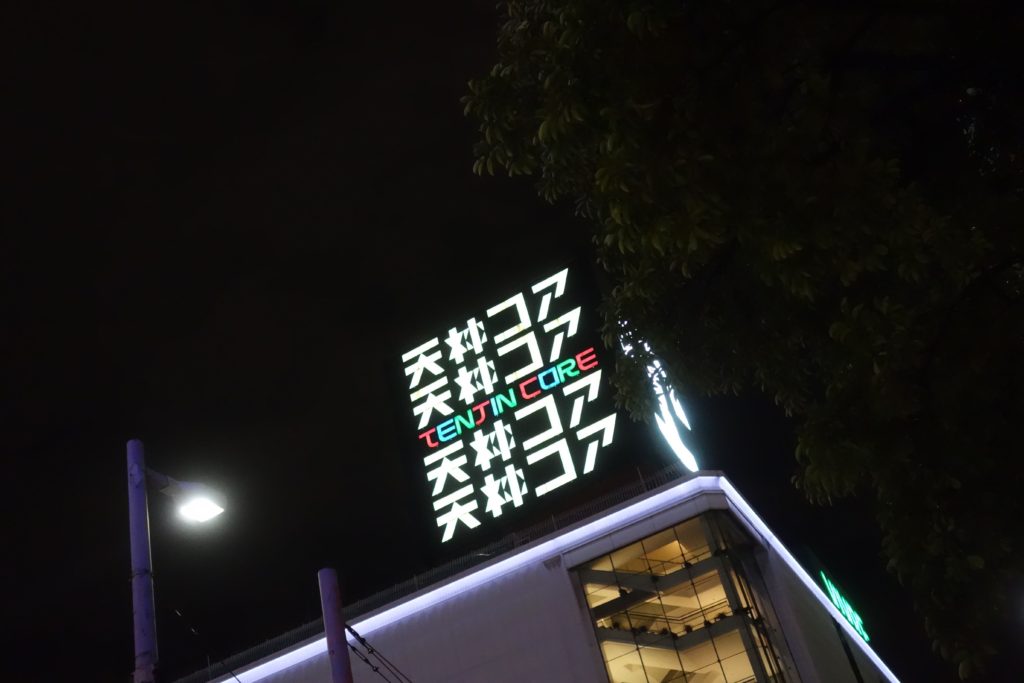
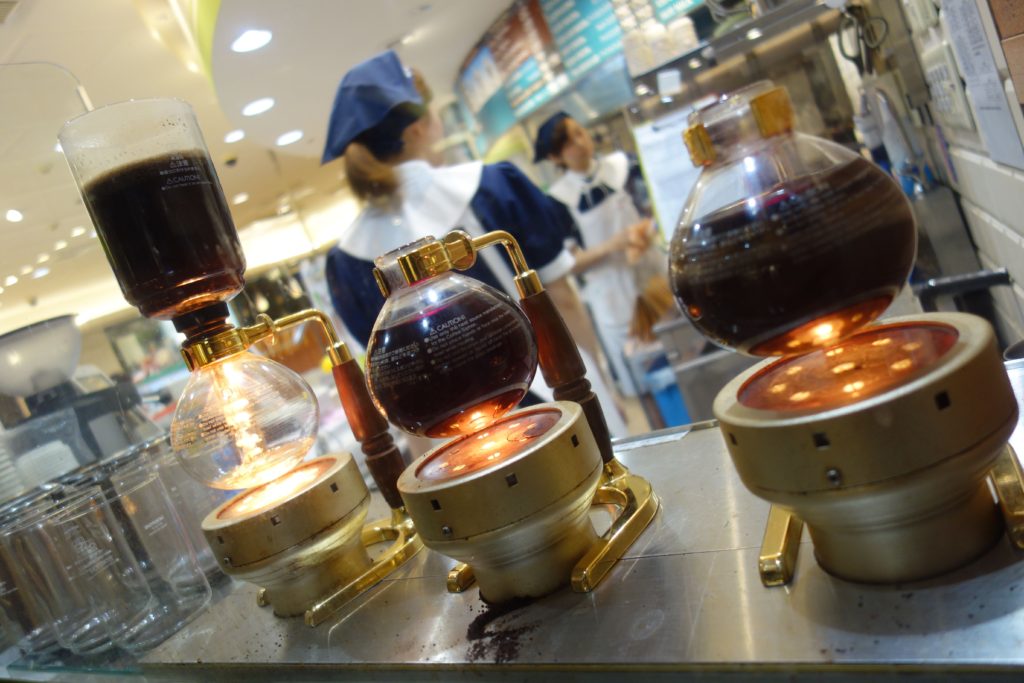
私たちが着いた日は雨でした。エアビーアンドビーアパートを見つけるとすぐにけんがくしました。まず行きたかった所の<屋根裏貘>という喫茶店で赤ワインをゆっくり飲みました。そして、友達が推薦した地下にある回転寿司店に夕食をしに行って、そのビルで買い物をしました。彼女は日本のほうが韓国より可愛いしなものが、よりずっとたくさんあると不思議に感じました。

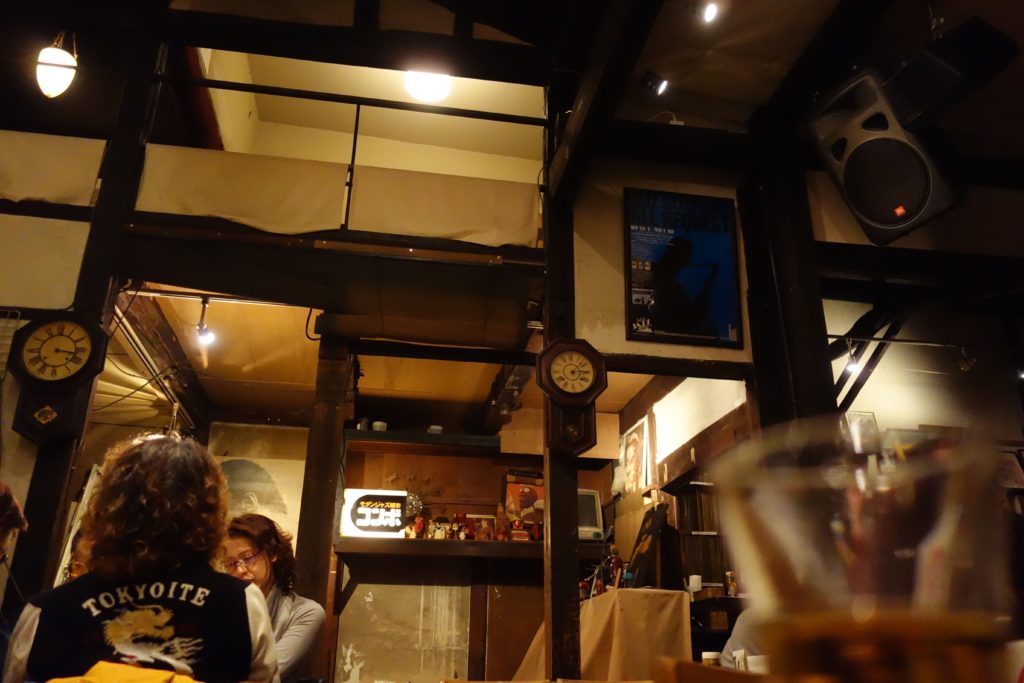
私は日本に行くたびにジャズを聴くことができる場所を見つけます。一番好きなジャズライブ会場は沖縄で見つけましたが、福岡にある会場で楽しく夜を過ごしました。サントリーウィスキーを飲みながらギターを二重奏で弾く音楽を聴きました。そのアーティストのCDを買いたかったのですが、そこで既に1万円ぐらいを使いました。

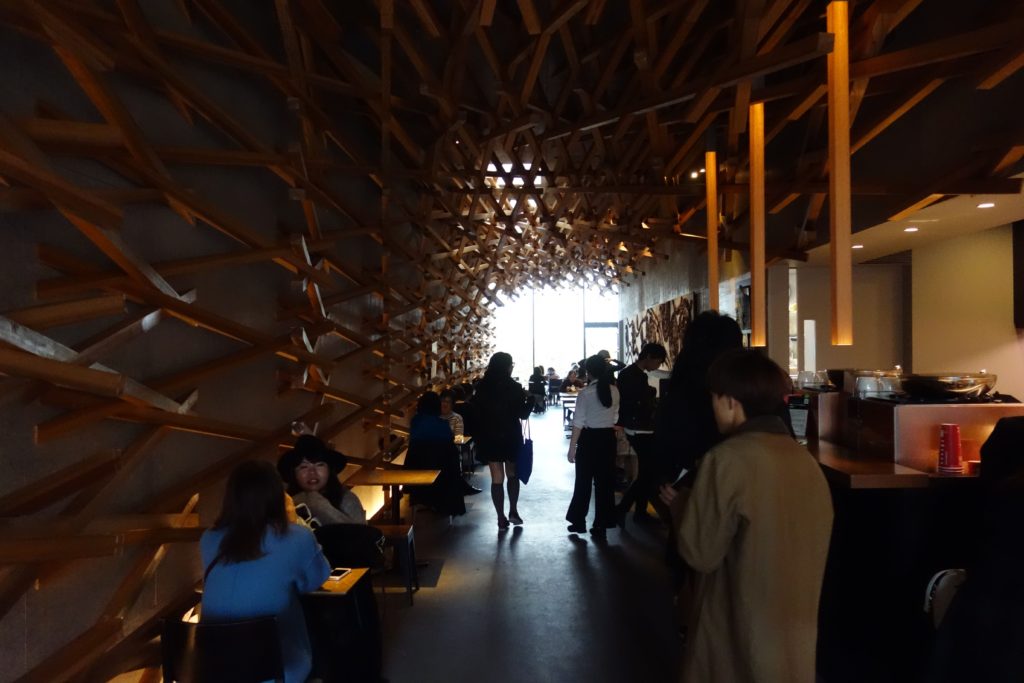
私は日本の建築に興味がありますから、福岡に見たかった建物がいくつかありました。太宰府という街でも面白い建物をみました。大部分の人は有名な神社を見に行きますが、私はスターバックスを見に行きました。なぜなら、太宰府のスターバックスは建築家の隈研吾によって設計されました。彼女が神社を見学している間、私はスターバックスの写真を撮りました。

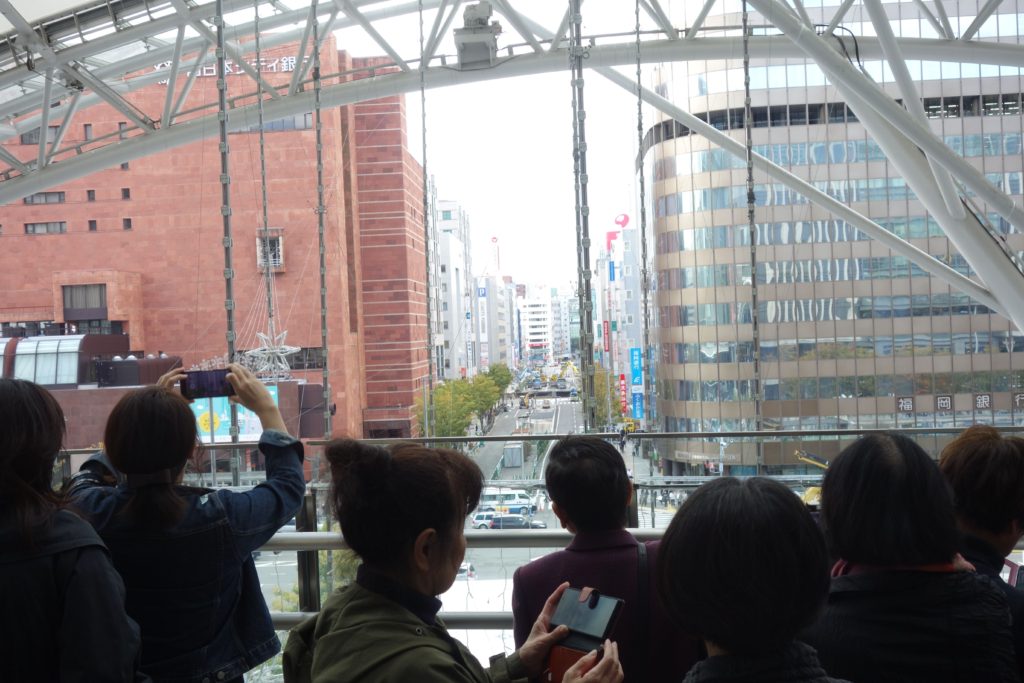
ある日、福岡にある大きな駅の一つ前に、交差点全体ほどの大きさのシンクホールが、突然現れました。駅からたくさんの人々がシンクホールの写真とビデオを撮影していました。数日後に直りました。アメリカでは、そんなに早く復興しないでしょう。

韓国で和食をあまり食べませんので、福岡で豚カツとしゃぶしゃぶとオムライスを食べました。そして、ラーメンやデパートの試食も食べました。最終日の夕食は、友達が知っている夫婦が運営している居酒屋に行って、福岡について話しながら楽しく過ごしました。居酒屋の経営者は福岡は住みやすいですが ちょっとつまらないと言いました。福岡に住んでいる人にとって、本当の事かもしれませんが、私にとっては福岡は相変わらず面白いです。とにかく、次の機会に見たい建物と食べたい食べ物がまだたくさん残っています!

Los Angeles in Buildings: the Braly Block

LAIB Braly Block

I once took a Los Angeles Conservancy architecture tour whose leader, having brought us atop Bunker Hill, gestured toward an old building over on Spring Street and told us a story from his former career as a city employee. One day he needed a ride home and a higher-up in his department offered it. Generous though that act might make him seem, this man’s job, as our tour guide described it, required the opposite of large-heartedness: he spent most days at the office finding reasons to reject as many of the building or rebuilding proposals that crossed his desk as possible, and spent the entire hour’s drive to Long Beach laying acerbically into the developer responsible for the latest pile of paperwork in his inbox: some guy who wants to do a residential conversion of some empty offices downtown, a dreamer so delusional that “he actually believes people are going to live on Spring Street!

That developer, as anyone with an eye on the transformation of modern Los Angeles will have guessed, was Tom Gilmore, the gregarious New Yorker now widely credited with sparking the return of a large residential population, and the varied day-and-night activity such a population brings, to a largely forgotten downtown. That anecdote gets a reliable laugh in the midst of a boom that makes its starring city official look like a blinkered record label executive sending away the Beatles or investor passing on Facebook. But by the late 1990s when Gilmore launched into his mission in earnest, longtime Angelenos had grown accustomed to hearing rumors of a coming downtown revival at least once a decade, rumors that never seemed to produce much enticement to go there, let alone move there. Yet at some point in the 2000s, it became undeniable that this one had actually taken.

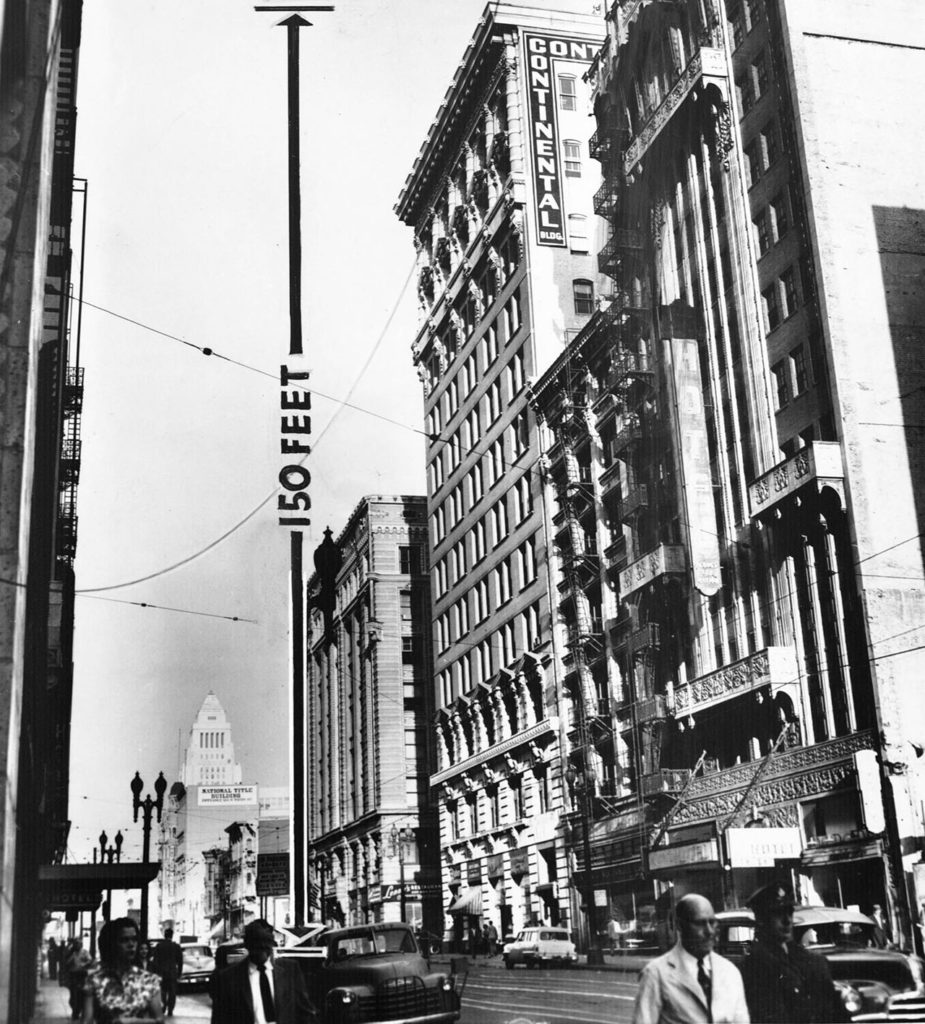
The Spring Street structure the Conservancy guide pointed out was the Continental Building, first known when it opened in 1904 as the Braly Block. “That’s L.A.’s first skyscraper,” says Tom Hansen, the young aspiring architect protagonist of Marc Webb’s “(500) Days of Summer,” gesturing toward the building from his own Bunker Hill perch beside his titular romantic interest. That movie, one of the first set amid the renewed (if occasionally exaggerated) street life of 21st-century downtown Los Angeles, prominently features the architecture of the central city, or at least its architecture of the late 19th and early 20th century. Though he goes unnamed in the dialogue, no single architect had as much responsibility for the look and feel of Los Angeles’ built environment at that time than John Parkinson, designer of the Braly Block.

Read the whole thing at KCET.

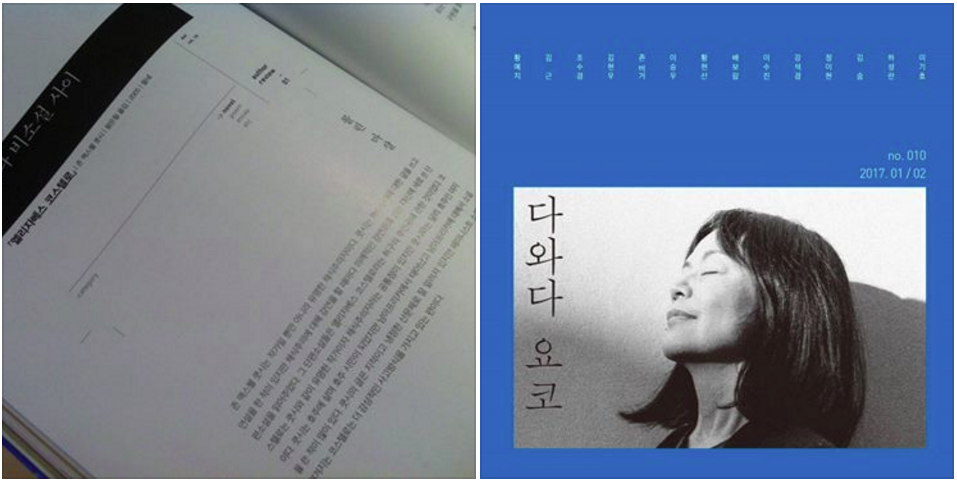
Axt: 구원과 JM 쿳시의 <엘리자베스 코스텔로>

Screen Shot 2017-01-12 at 8.15.50 AM

이번 (타와다 요코 표지가 있는!) 호 Axt (1월/2월, #010)에 내 첫번째 한국어로 쓴 서평은 나온다. 구원과 JM 쿳시의 <엘리자베스 코스텔로>에 대한 것이다.

My first print article in Korean, on redemption and J.M. Coetzee’s Elizabeth Costello, in this month’s issue of Axt (January/February 2017, #010) — and one with a Yoko Tawada cover, no less!

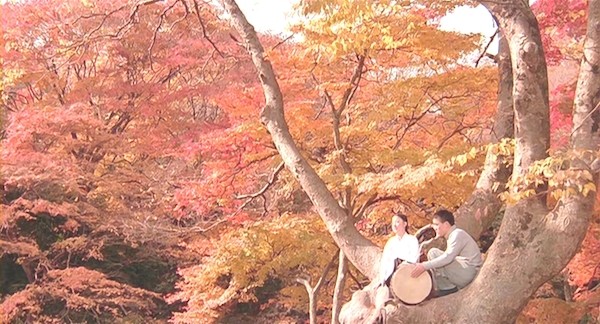
Korea Blog: How “Seopyeonje” Went from Tradition-Fueled Passion Project to Art-House Megahit

kb-seopyeonje-1

One singer and one drummer on an otherwise nearly bare stage, expressing the pain of Korea for four or five hours: the prospect, to a great many foreigners, does not immediately appeal. Then again, despite its deep roots in the culture, the traditional form of musical storytelling called pansori (판소리) didn’t much appeal to a great many Koreans for a long stretch of the twentieth century, if not due to  distaste then to unfamiliarity. But “Korea’s opera” has seen a revival of interest in recent decades, due in part to the massive success in 1993 of a movie about, and only about, the then seemingly dying art and the emotion that drives it: Im Kwon-taek’s Seopyeonje (서편제).

The prolific Im, still working today after 102 films and counting, directed in the first years of the 1990s  a trilogy of popular gangster pictures, General’s Son (장군의 아들) and its two sequels. (You can watch the first of them on the Korean Film Archive’s Youtube channel, as well as Im’s 1976 Wangsimni, My Hometown, the last movie we featured in this series.) Their considerable box-office return gave him a free hand to make a passion project, and on paper Seopyeonje looks like the very definition of one: a middle-aged filmmaker who remembers a very different time in his rapidly developing homeland tells a story, in the form of a period piece within a period piece, of a wandering pansori master and his two young charges whom history has already left behind, but whose suffering only enriches the tradition to which they have dedicated their lives.

That suffering produces an emotion much written about as unique to the Korean people: han (한, often written with the Chinese character 恨), variously explained in English as “lifelong regret,” “a collective feeling of oppression and isolation in the face of insurmountable odds” connoting “aspects of lament and unavenged injustice,” the “sentiment that one develops when one cannot or is not allowed to express feelings of oppression, alienation, or exploitation because one is trapped in an unequal power relationship,” and an “acute pain in one’s guts and bowels, making the whole body writhe and squirm, and an obstinate urge to take revenge and to right the wrong.” Fictional United States President Josiah Bartlet, on the episode of The West Wing when he has to turn away a North Korean asylum-seeker, explains it as “a sadness so deep no tears will come. And yet still there’s hope.”

Read the whole thing at the Los Angeles Review of Books.

콜린의 한국 이야기: 서울과 로스앤젤레스의 차이 점은 뭘까?

los-angeles-textures-20

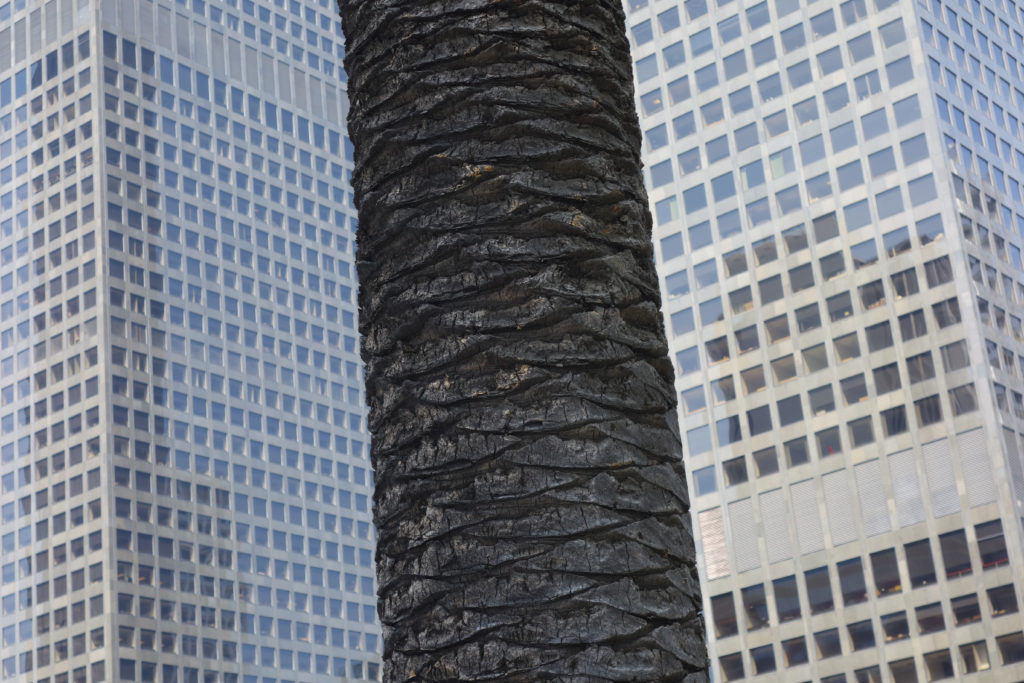
나는 한국에 이사오기 전에 사년 동안 로스앤젤레스에 살았다. 로스앤젤레스에 살 때 한국어를 매일 할 수 있고 한식을 매일 먹을 수 있는 동네인 한인타운에 살았음에도 불구하고 서울에 사는 것과 아주 다른 경혐이었다. 지금이 겨울이어서 제일 큰 차이 점을 생각하면 날씨가 쉽게 떠오를 수 있지만 사실 나에게 이런 추운 날씨는 생각과는 다르게 무관하다. 애매하게 들릴지도 모르지만 서울과 로스앤젤레스는 전체적으로 다른 분위기를 가진다.

어떻게 보면 나는 서울이나 로스앤젤레스에서 비슷한 생활방식으로 살아왔다. 로스앤젤레스에서는 거의 매일 다른 커피샵에 글을 쓰러 갔고 서울에서도 그렇지만 서울에서 대부분의 커피샵은 집에서 걸어 갈 수 있는 거리에 있다. 로스앤젤레스의 경우에는 내가 가장 좋아하는 커피샵들이 서로 멀리 떨어져 있어서 나는 자주 자전거나 버스나 지하철을 타야 했다. 심지어 내가 살았던 한인타운에 있는 커피샵도 걸어 갈 수 있는 거리에 있지는 않았다!

los-angeles-textures-11

서울은 원래 커피샵들로 가득 찬 도시이지만 반면에 로스앤젤레스는 걸어 갈 수 있는 장소들이 적은편이다. 왜냐하면 로스앤젤레스보다 서울의 인구 밀도가 높기 때문이다. 인구 밀도가 높으면 당연히 가게의 숫자도 늘어날 것이다. 따라서 서울과 같은 대도시들에서는 많은 사람들이 집 근처의 다양한 곳에 쉽게 걸어 갈 수 있다. 하지만 로스앤젤레스와 같은 대도시들에는 단독 주택 밖에 없는 동네들을 흔히 볼 수 있다. 그런 지역에서는 물론 버스나 자전거로 갈 수 없을 뿐만 아니라 걸어 간다는 것은 상상할 수도 없다.

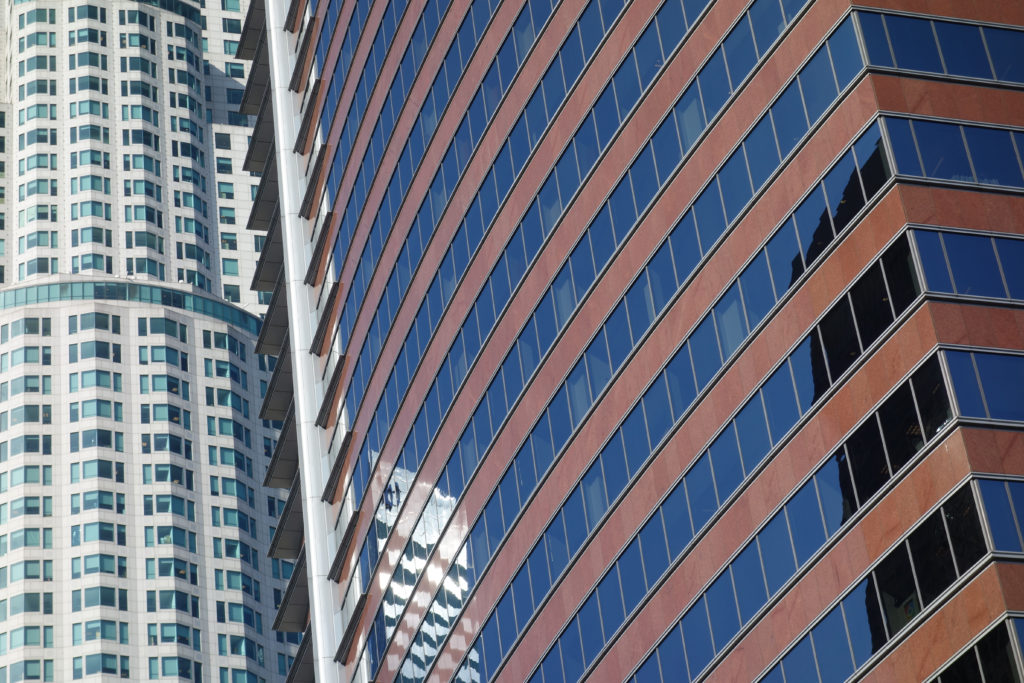
로스앤젤레스와 비교해 보면 서울에서는 단독 주택에 사는 사람들이 많지 않다. 로스앤젤레스는 수평 도시이면서 간혹 고층 건물들이 존재해 있고 이와는 달리 서울은 수직 도시이지만 드물게 낮은 건물들도 있는 도시라고 쉽게 묘사할 수 있다. 요즘에는 로스앤젤레스의 인구 밀도가 팽창하고 있고 고층 건물들의 숫자가 증가하고 있음에도 불구하고 처음으로 개발되었을 때 유휴지가 아주 넓어서 단독 주택과 같은 주거형태가 많이 생겨났다.

los-angeles-textures-03

서울은 50년대부터 80년대까지 재건축되면서 로스앤젤레스보다 훨씬 많은 사람들을 급속도록 받아들여야만 했기 때문에 도시계획을 오직 수직 방향으로 갈 수 밖에 없었다. 그래서 오늘 날의 서울사람들은 대부분 고층 건물에서 살고 일하며 삶을 즐기는 것에 익숙해졌다. 이와는 다르게 아직도 그런 수직 도시의 삶을 불편하게 여기는 로스앤젤레스 사람들은 여전히 큰 정원이 있는 단독 주택의 삶을 선호할 뿐만 아니라 매일 자동차를 운전해 직장에 가는 것 외에 다른 것을 거의 상상하지 않는다.

앞서 얘기했던 것을 기반으로 서울의 제일 큰 장점은 쉬운 접근성을 포함한 편리함이라고 할 수 있고 로스앤젤레스의 제일 큰 장점은 서울에서 쉽게 찾아 보기 힘든 편안함이라고 할 수 있다. 그렇지만 서울과 로스앤젤레스의 공통적인 단점은 대부분의 대도시가 가지고 있는 고단한 삶이라고 할 수 있지만 서로의 양상은 다르다. 시간이 가면 갈 수록 로스앤젤레스의 장점을 서울이라는 도시에서 어렵지 않게 찾아 볼 수 있고 서울의 장점 또한 로스앤젤레스에서 쉽게 나타난다.

los-angeles-textures-15

그렇지만 로스앤젤레스의 제일 좋은 점은 서울과 같은 아시아 도시에서 쉽게 찾아 볼 수 없는 다양성인 것 같다. 거기에서는 다양한 음식을 맛 볼 수 있고 또한 다양한 건축물을 볼 수도 있으며 다양한 사람들도 만날 수 있다. 예를 들면 한국에 온 로스앤젤레스 출신의 미국 사람들이나 로스앤젤레스에서 살았던 적이 있는 한국 사람들은 남쪽 칼리포니아에서 맛있게 자주 먹을 수 있는 멕시코 음식을 몹시 그리워한다.

뿐만 아니라 나한테는 거기에서 다양한 언어를 연습할 수 있다는 사실이 특히 흥미롭다. 로스앤젤레스 공항에 도착하면 “도시 자체가 세계인 로스앤젤레스에 오신 걸을 환영합니다”라는 표지판을 누구나 볼 수 있다. 내가 만약 그 표지판을 쓴다 해도 이보다 더 정확하게 묘사하지 못 했을 것이지만 서울은 로스앤젤레스가 표방하는 도시 자체가 세계라는 슬로건과는 달리 세계일 필요는 없다.

los-angeles-textures-24

최근 몇 년간 여기에 로스앤젤레스에서 맛 볼 수 있는 멕시코 음식과 견줄만한 멕시코 음식을 파는 식당까지 생겼고 나는 가끔 그러한 외국 음식을 먹기도 하지만 주로 한국 음식을 먹고 한국 영화를 보며 한국 책을 읽는 것에 익숙하며 그러한 익숙함을 즐길 수 있다는 사실에 만족한다. 나는 원래 다양성을 아주 좋아하지만 소위 말하는 서양의 다문화 도시들에 거주하면서 그러한 다양성이 어떻게 큰 문제가 될 수 있는지를 알아차렸다. 완전히 다른 사고 방식을 가지고 있고 완전히 다른 생활방식을 영위하고 있는 사람들이 서로 가까이에 살게 되면 서로간의 고충이 쌓일 수 있다. (더군다나 미국 사람들의 총기 소유가 합법적이라는 사실을 간과할 수 없다.)

한국인 친구는 나에게 서울의 대부분을 차지하는 인구가 한국인이라서 서울에서 사는 것을 안전하게 느낀다고 말했다. 예를 들면 지하철안에서 옆에 서 있는 그와는 무관한 다른 승객들이 그와 같은 한국 사람인 것을 인지 한다고 했다. 나는 외국인으로서 그렇게 느낄 수는 없지만 서울의 지하철 시스템은 그 자체가 참으로 훌륭하다고 생각한다. 미국의 대중 교통은 좋지 않은 평판을 가지고 있고 이와 더불어 많은 미국인들은 로스앤젤레스 지하철의 존재여부를 알지도 못 한다. 사실 로스앤젤레스는 지하철이 있을 뿐만 아니라 다른 어떤 미국 도시들보다 더 많은 철도 노선들을 건설하고 있는 중이다.

los-angeles-textures-17

나는 항상 바뀌고 있는 로스앤젤레스가 앞으로 어떤 도시가 될 것인가에 큰 관심이 있어서 언젠가 거기에 가서 다시 살고 싶지만 더불어 서울의 미래에 변화에도 지대한 관심을 가지고 있다. 두 도시의 가장 큰 공통점은 아무리 나쁜 첫인상을 받아도 그 도시들을 잘 알고 이해하면 그 만큼 즐기고 음미할 수 있게 된다는 것이다.

그 때문에 앞으로 내가 제일 좋아하는 두 도시인 서울과 로스앤젤레스에 교차해 거주하면서 그 도시들이 가지는 장점에 대하여 지속적으로 알아가고 싶다. 앞에서 언급한 바와 같이 서울의 날씨는 나에게 큰 문제가 되지는 않지만 생각해보면 가을과 봄에 서울에 있고 겨울과 여름에는 로스앤젤레스에 있는 것이 가장 이상적이라고 할 수도 있겠다. 그러한 이유둘 중 하나는 두 도시가 가지는 날씨의 차이 점에서 찾아 볼 수도 있다.

My ten favorite Open Culture posts of 2016: Steely Dan’s Recording Techniques, Nam June Paik’s New Year Special, the Philosophy of Bill Murray, and More

For nearly five years now, I’ve written a post every weekday at Open Culture, usually to do with literature, film, music, art, television, radio, or language. Here are ten of my favorites from the more than 250 I wrote in 2016:

See also my ten favorite Open Culture posts of 201220132014, and 2015.