Skip to content

Korea Blog: Anti-Trump Protests, Anti-Park Protests, and the Koreanization of American Politics

kb-the-koreanization-of-american-politics

Since the election of Donald Trump last Tuesday, protesters across the United States, thousands of them in downtown Los Angeles alone, have taken to the streets to make their displeasure heard. Coincidentally, anti-presidential protests have also erupted in South Korea own over the past few weeks, culminating in the unrelieved crush of humanity, comprising 500,000 to one million demonstrators — an astonishing number, even in a country with a rich tradition of protest — that filled downtown Seoul on Saturday night. They came not to object to an undesireable president-elect, but to demand the resignation of Park Geun-hye, the president of more than three years who stands accused of having handed the reins of power to an unelected and previously obscure confidante, herself the daughter of a religious cult leader.

In a widely circulated breakdown of the scandal, a blogger known as The Korean lists the accusations against Park and her confidante Choi Soon-sil, who, under Park’s watch, has been “running a massive slush fund, as she extorted more than $70 million from Korea’s largest corporations,” who routinely received “confidential policy briefings and draft presidential speeches — all on a totally unencrypted computer,” and who “rigged the college admission process so that her daughter, not known to be sharpest tool in the shed, would be admitted into the prestigious Ewha Womans University.” That last struck an especially sensitive nerve in this society, which has always turned a blind eye at embezzlement at all levels and especially in politics, but which can’t stand anything that throws the prized “fairness” of its higher-education system into question.

“Having survived a particularly tumultuous modern democratic history, Korean people may be the world’s most cynical consumers of politics,” writes The Korean. “But this. Even the most cynical Koreans were not ready for this. At first, there was a tiny bit of perverse relief, as all the bizarre actions of Park Geun-hye administration suddenly began to make sense. Why did the president only hold just three press conferences in the first four years of her administration? Why does the president always speak in convoluted sentences that make no sense? Why did the president fly off the handle and sue the Japanese journalist who claimed that she was with Choi Soon-sil’s husband while the ferry Sewol was sinking in 2014, drowning 300 school children? Why did the ruling party randomly host a shamanistic ritual in the halls of the National Assembly? Ohhhh, the relief went. Now it all makes sense.”

Read the whole thing at the Los Angeles Review of Books.

KCET Movies: How “Speed” Captured a Changing Los Angeles

speed

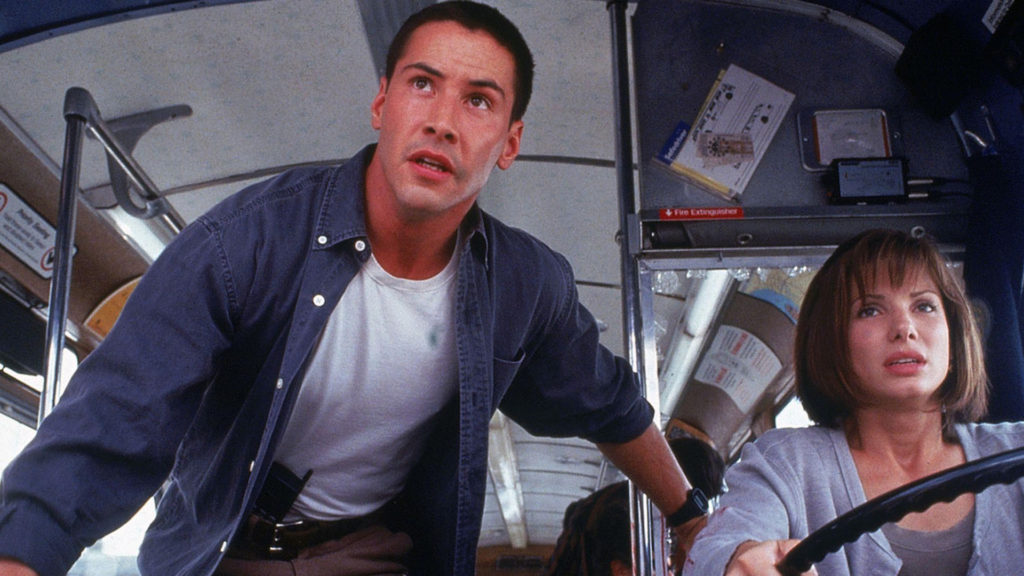
“Is this what they mean by pure cinema?” New Yorker film critic Anthony Lane wrote in his review of “Speed” when the film came out in 1994. “The phrase sometimes hovers around people like Tarkovsky and Ozu, and with good cause, but Hollywood occasionally throws a punch so clean that it breaks through to the same hallowed sanctum.” Surprising praise, perhaps, for a blockbuster represented in poster form by an explosion, a runaway bus, and Keanu Reeves, but watch “Speed” again and you see much more: while it may not have gained intellectual depth with time, it has emerged, over the past couple of decades, as the standout Los Angeles action movie, one that makes fuller use of the city’s distinctive size, shape, and built environment than any other.

That bus plays a part in only one of the three shorter Los Angeles action movies that “Speed’s” nearly two-and-a-half hours comprise. The first, which takes place inside and on top of downtown’s Gas Company Tower, announces itself with a shot of a police car not just driving up to the building but flying up to it, catching at least three feet of air as it roars over the hill in order to deliver the protagonist, Reeves’ young LAPD SWAT officer Jack Traven, and his partner, Jeff Daniels’ Harry Temple. They’ve shown up to rescue an elevator full of office workers, trapped there by a mad bomber threatening to blow it loose and drop them all the way down that still-new high-rise’s 52-story height (established by the opening credit sequence, a long upward climb through a model of its elevator shaft) unless he gets three million dollars in cash.

Traven and Temple ascend to the rooftop, finding a crane to hook onto the elevator car in order to keep it from falling — temporarily, at least, as a well-constructed action movie demands that the solution to each crisis generate a crisis of its own. But when they get up there, we see Los Angeles’ seemingly endless cityscape stretch out below them, a smoggy horizontality of background that contrasts with the glossy, angular, Skidmore-Owings-and-Merrill verticality of the immediate setting. Though remarkably little about “Speed” dates it aesthetically, especially by fad-responsive Hollywood standards, a keen-eyed Los Angeles historian could, going by the amount of smog not yet cleared up and buildings not yet built, pin down almost the exact month of production from these shots alone.

Read the whole thing at KCET. See also my City in Cinema video essay on the movie.

콜린의 한국 이야기: 순천

%e1%84%89%e1%85%ae%e1%86%ab%e1%84%8e%e1%85%a5%e1%86%ab-01

여자친구의 고모할머니께서 순천에 계셔서 나와 내 여자친구는 그 분을 방문하러 지난 주말에 순천에 갔다. 나는 처음으로 고속버스를 타고 전라도에 갔고 또한 한국에서 고속버스로 여행한 것도 처음이었다. 한국의 제일 맛있는 음식은 전라도 음식이라는 말을 많이 들었지만 여자친구의 고모할머니 집 밖에서는 밥을 먹을 기회가 전혀 없었다. 그러나 여자친구의 고모할머니께서 현지의 재료로 만든 우리에게 차려 주신 음식이 너무 맛있어서 기분 좋게 먹고 다른 식당에 갈 기회가 없었지만 전혀 후회하지 않았다. 주말 동안 먹은 음식이 너무 많아서 보통 때 일주일 동안 먹은 음식보다 더 많이 먹은 것처럼 느껴졌다.

%e1%84%89%e1%85%ae%e1%86%ab%e1%84%8e%e1%85%a5%e1%86%ab-03

나는 지방에 갈 때마다 거기에서 아이들을 쉽게 볼 수 있는 것에 항상 놀란다. 서울에도 아이들이 있긴 있지만 학교나 학원 같은 곳에서 하루 종일을 보내야 된다. 나는 고모할머니 댁의 창을 통해 밖을 내다보면서 단지 놀이터에서 아이들이 놀고 있는 것을 봤다. 한국에서 어디에서든지 쉽게 볼 수 있는 공사 중인 아파트 건물 몇 채도 보였다. 잘 알 수는 없지만 한국의 인구가 옛날과 비교해서 급속도록 팽창되지 않음에도 불구하고 심지어 서울에서 멀리 떨어진 이 곳에서도 건설업은 멈추지 않은 것처럼 보였다.

%e1%84%89%e1%85%ae%e1%86%ab%e1%84%8e%e1%85%a5%e1%86%ab-02

순천은 작은 도시지만 다양한 넓은 공원들이 몇 군데에 위치해 있다. 토요일 오후에 순천호수공원에서 여유로운 시간을 보내면서 공원의 이곳 저곳을 구경했다. 나는 언덕을 올라간 후 정상에서 간판을 읽고 그 공원이 찰스젱스라는 미국인 조경사에 의해 설계된 걸 알게 되었다. 그 이름은 나에게 친숙하게 들렸다. 왜냐하면 나는 몇년 전에 그가 쓴 로스앤젤레스 건축에 대한 흥미로운 책을 읽었기 때문이다. 책의 제목은 헤테로폴리스고 내용은 로스앤젤레스 건물들의 상당한 다양성을 포함하고 있다. 나는 로스앤젤레스 건축물과 서울 건축물을 둘다 다른 이유로 좋아하지만 찰스젱스 씨가 로스앤젤레스의 건물에 비교하면 다양하지 않은 편인 서울의 건물들을 어떻게 생각했는지 궁금하다.

%e1%84%89%e1%85%ae%e1%86%ab%e1%84%8e%e1%85%a5%e1%86%ab-04

우리는 해가 질 때까지 공원에서 걸어다녔다. 어둠 속에서 작은 모노레일 같은 기차의 전조등이 보였고 바위처럼 보이는 스피커에서 음악이 나왔다. 밤에 아주 조용한 순천을 운전해 지나가고 여자친구의 고모할머니 댁에 돌아가서 우리가 서울에서 가져온 와인을 마시면서 텔레비전 드라마 몇 편을 봤다. 여자친구의 고모할머니께서는 우리에게 풍부한 안주를 주시고 우리는 대화를 나눴다. 나는 여자친구의 고모할머니 세대 사람들의 말투를 잘 이해할 수 없지만 그럼에도 불구하고 대화의 대부분을 따라갈 수 있었다. 한국 전쟁을 겪으신 고모할머니께서 말씀하시기를 요즘 드라마의 문제는 한국 전쟁을 경험한 적 없는 시청자들의 대부분을 전쟁 때 한국의 생활이 얼마나 힘들었는지를 알 수 없게 만드는 것이라고 하셨다.

%e1%84%89%e1%85%ae%e1%86%ab%e1%84%8e%e1%85%a5%e1%86%ab-07

다음날 우리는 아침식사로 주로 먹지 않는 게를 맛있게 많이 먹고 나서 순천만 자연생태공원에 갔다. 주말이어서 관광객들이 많이 왔고 그들 중 일부는 화려한 등산복을 입고 일부는 샐카봉을 높이 들어올리면서 계속 걸었다. 긴 삼각대로 연결된 휴대폰을 가지고 통화하는 아저씨도 지나갔다. 나에게 이런 곳에 갈 때 풍경을 보는 것보다도 온 사람들을 보는 것을 더 흥미롭게 느껴질 때가 있다. 다음 주가 되면 내가 한국에 산지 일 년이 되지만 아직도 모든 것 즉 건물들과 사람들도 나에게 새롭고 흥미롭게 느껴진다.

Korea Blog: Finding a New Seoul in the Old Buldings of Kim Swoo-Geun, Architect of Modern Korea

kb-kim-swoo-geun-1

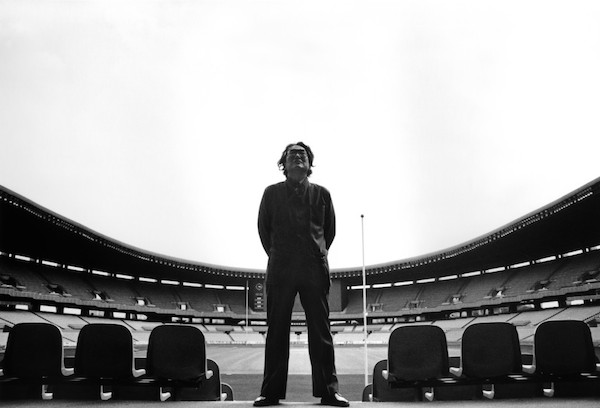
Like many a Westerner with an interest in Korea (and without any stake in the relevant historical conflicts), I’ve also cultivated a parallel interest in Japan, and I find few things Japanese as interesting as I find Japanese architecture. Who, I began to wonder as I learned more about the architecture of Japan and the culture of Korea, stands as the Korean equal of a Kenzo Tange, a Kisho Kurokawa, or a Tadao Ando, with their deep concerns not just for the aesthetics but the shape of society to come? I didn’t have an answer until, on a walk through central Seoul with scholar of the both the Korean language and built environment Robert Fouser(whom I more recently interviewed here on the Korea Blog), I first visited Seun Sangga, South Korea’s first large-scale residential-commercial complex.

Built in 1966 during the mayoral term of Kim Hyon-ok, nicknamed “the Bulldozer,” the kilometer-long linear development, which stretches across blocks and blocks of downtown Seoul, didn’t take long to draw disdain as a “concrete monstrosity” (or the Korean-language equivalent thereof). “The phrase reverberates,” says defender of British brutalism Jonathan Meades in his documentary Concrete Poetry of that now-standard architectural slur. “Any modest, self-effacing newspaper columnist can be sure that he will please readers with the same ready-made formula. For, as we all know, concrete monstrosities are culpable of virtually everything: they promote every known social ill, and many which have yet to be revealed.”

Though it does contain plenty of concrete, Seun Sangga is, of course, not British, nor is it exactly a work of brutalism. We could, perhaps, call it a work of pure developmentalism, erected as both a symbol of and a contribution to to the country’s fast-growing postwar economy: in addition to the massive amount of retail space on the lower floors, this “city within a city” had first-class apartments (at least by the standards of Korea in the 1960s) on the upper and even boasting such then-unheard-of amenities as a fitness center. It nevertheless fell so far short of its even more ambitions original design, which included glass atria and a transportation system to connect all the buildings together, that the complex’s architect disavowed it.

Read the whole thing at the Los Angeles Review of Books.

Los Angeles in Buildings: the Pico House

picohouse-1875

Thanks to (past Notebook on Cities and Culture guest) Nathan Masters of Lost L.A., I’ve returned to KCET, where I previously spent a year excerpting pieces of my book-in-progress A Los Angeles Primer (still collected on my author page here), to write a new series called “Los Angeles in Buildings.” It begins today with the Pico House, the booming city’s first luxury hotel built by California’s famously extravagant final Mexican governor Pio Pico:

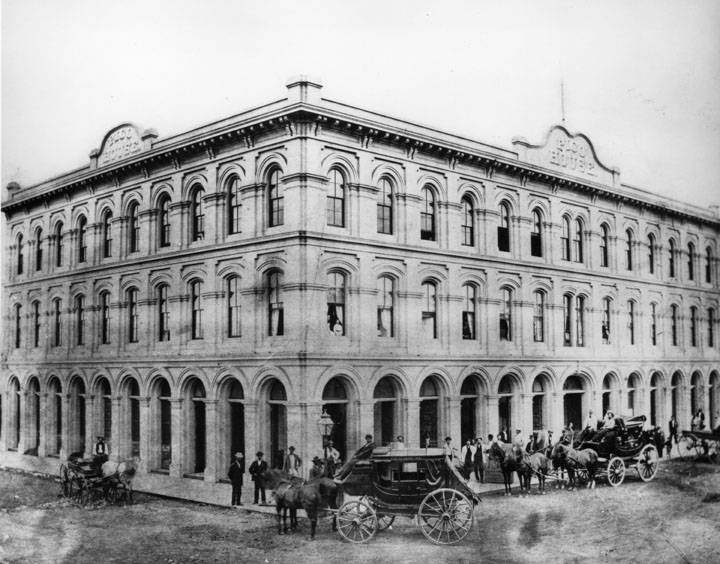
Soon Los Angeles will have its new tallest building in the form of the 73-story Wilshire Grand Center, a billion-dollar hotel-retail-office complex that will no doubt open to fanfare commensurate with its scale. So, in its own day and for similar reasons, did the Pico House, a three-story hotel named for Pío de Jesús Pico, the last governor of Mexican-ruled Alta California before its 1848 annexation by the United States. After getting out of politics, Pico went on to make a fortune as a cattleman, and by the late 1860s he had the idea to build a hotel. And he wouldn’t just build a hotel, but a luxury hotel – and not just the most luxurious hotel in downtown Los Angeles, but the most luxurious hotel in all of Southern California.

The realization of this dream cost somewhere north of $80,000 (a princely sum in those days), an amount Pico and his brother Andrés raised by selling most of the land they held ­– and they held a lot of it – up in the San Fernando Valley. This bought, among other things, the services of Ezra F. Kysor, a Yankee who’d come west and become Southern California’s very first professional architect. Though the city’s architectural history holds Kysor in higher regard for the Cathedral of Saint Vibiana, built six years later and a half mile down Main Street, he took on the Pico House as his first project in Los Angeles, coming up with an Italianate Victorian design, something of an East Coast import that unambiguously signaled the end of the aesthetic isolation of the adobe period.

Pico also spent the money on serious opulence, by the standards of the time and place: 80 bedrooms, 21 parlors, and a French restaurant arranged around a central courtyard with a fountain and an exotic-bird aviary, all with gas light and running water, all behind an exterior finished to look like blue granite. It once even advertised an “elegant Billiard Parlor and Reading Room connected with the establishment,” targeting – and attracting – countless guests of means, who, after the Southern Pacific Railroad opened Los Angeles to the rest of the country, could take the hotel’s free bus shuttle straight in from the train station. It didn’t take long to get there; the parcel of land Pico used, which once belonged to his brother-in-law, was right on the Plaza, at one time the center of Los Angeles public life.

Read the whole thing at KCET.

Seoul Urbanism on TBS eFM’s Koreascape: the Bus

640px-seoul_buses

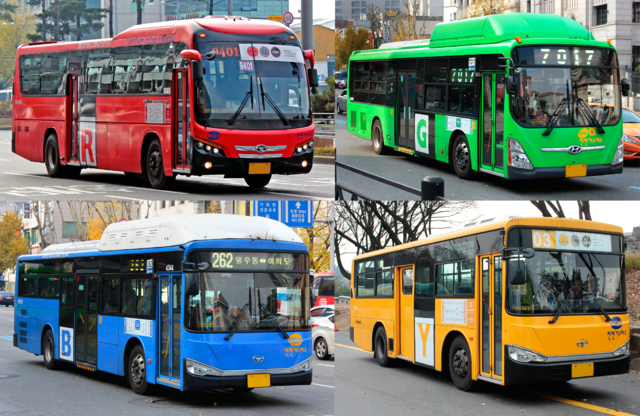
Each month I join Kurt Achin, host of Koreascape on Seoul’s English-language radio station TBS eFM, for an exploration of Seoul’s urban spaces. Today we spend a day riding on Seoul’s buses, which form a transportation network even more impressive, in its way, than the world-class Seoul Metropolitan Subway. We reveal three of the lines that provide the best tours of the cityscape a thousand won or two can buy, point out the kind of attractions you can spot out the windows along the way, break down exactly what the various route colors and numbers mean, take a look at the books written specifically about exploring Seoul by bus, and figure out why buses here don’t carry the American stigma, as Lisa Simpson once put it, of being only “for the poor and very poor alike.”

Stay tuned for further explorations of Seoul’s architecture, infrastructure, and other parts of the built environment. You can hear our previous segments here.

콜린의 한국 이야기: 세운상가

%e1%84%89%e1%85%a6%e1%84%8b%e1%85%ae%e1%86%ab%e1%84%89%e1%85%a1%e1%86%bc%e1%84%80%e1%85%a1-06

한국에 큰 관심이 있는 나는 일본에도 오랫동안 관심을 기울려 왔다. 요즘에 나한테 가장 재미있는 일본에 관련된 것은 건축이다. 좋아하는 일본 건물과 쿠로카와 키쇼나 탕게 켄조 같은 건축가들이 꽤 많아서 언젠가부터 한국 건물과 건축가에 대해서도 알아가게 되었다. 건축에 관심이 있는 사람의 대부분은 일본에 비교하면 볼만한 좋은 건물들이 거의 없다고 생각하지만 서울을 살펴보면 의외로 흥미로운 것들이 풍부하다. 한국에 이사온 몇 달 후에 처음으로 직접 본 다시 가고 싶을 정도로 흥미로운 한국 건물은 세운상가였다. 60년대에 종로에서 콘크리트로 지어진 거대한 단지는 전에 본 적 있었던 다른 도시 공간과는 완전히 달랐다.

%e1%84%89%e1%85%a6%e1%84%8b%e1%85%ae%e1%86%ab%e1%84%89%e1%85%a1%e1%86%bc%e1%84%80%e1%85%a1-08

나는 세운상가를 처음 간 그 후 그 건물을 설계한 사람은 한국의 60 년대부터 80년대를 아울러 제일 유명하고 30년 전쯤에 돌아가셨지만 지금도 제일 유명하다고 할 수 있는 건축가인 김수근이라는 걸 알게 되었다. 그런데 김수근 본인은 원래 설계와 많이 달라서 세운상가를 싫어하고 의절했다고 한다. 계획대로 실현되지 않은 여러 것들 중에서 유리덮개와 고유한 교통 시설이 그 중 하나다. 그래도 실제로 존재하는 세운상가는 적어도 나에게는 아주 매혹적이다. 나의 관심은 심미적인 것 뿐만 아니라 단지 안에 세계가 존재한다는 점 때문이기도 하다.

%e1%84%89%e1%85%a6%e1%84%8b%e1%85%ae%e1%86%ab%e1%84%89%e1%85%a1%e1%86%bc%e1%84%80%e1%85%a1-02

서운상가는 종로에서 퇴계로까지 뻗어 있는 세운강동상가와 청계상가와 대림상가와 삼풍상가와 풍전호텔과 신성상가와 진양상가라는 건물들로 구성되어 있다. 그 중에서 삼풍상가는 무너진 삼풍백화점을 지은 같은 회사에서 지은 건물이고 삼풍상가만이 마지막으로 그 이름을 여전히 가지고 있다. 건물마다 셀수 없는 많은 가게들이 있는데 그 가게에서 파는 물건들은 다 다르지만 대부분은 전자 제품을 판다. 예전에는 많은 한국사람들이 처음으로 오디오나 컴퓨터를 사러 세운상가에 가던 것을 그들은 기억한다. 세운상가에는 인쇄소와 사무실과 식당과 카페와 내가 좋아하는 80년대 이후 많이 변화지 않은 옛날식 다방도 있다. 내가 자주 냉커피를 마시고 주인과 수다를 떨러 가는 그 다방은 서울에서 제일 편안한 곳들 중 하나인 것 같다.

%e1%84%89%e1%85%a6%e1%84%8b%e1%85%ae%e1%86%ab%e1%84%89%e1%85%a1%e1%86%bc%e1%84%80%e1%85%a1-15

내가 냉커피를 마신 그 다방의 창문을 통해서 세운상가가 지어졌을 때는 그냥 도로였던 청계천을 지금은 볼 수 있다. 서울 도시미관을 개선하기 위한 노력으로 만든 청계천으로 인해 오래된 세운상가를 전부 철거할 계획도 초래되었지만 막상 현대상가라는 한 건물만 철거되고 그 자리에는 공원이 들어섰다. 최근 몇 해 동안 세운상가에 대한 관심이 증가하고 있어서 재개발 대신 세운상가를 개선하기 위한 중소 규모의 프로젝트들이 제안되었고 화가와 갤러리스트와 기술자 같은 사람들이 거기서 여러 가지 사업들을 착수했고 벽화와 작업자와 서점과 갤러리 같은 장소가 생기기 시작했다.

%e1%84%89%e1%85%a6%e1%84%8b%e1%85%ae%e1%86%ab%e1%84%89%e1%85%a1%e1%86%bc%e1%84%80%e1%85%a1-05

나는 몇 주 전에 세운상가에서 열린 비둘기 오디오와 비디오 페스티벌이라는 축제에 참석했을 때 평상시에는 올라갈 수 없는 옥상에서 뮤직 비디오 상영을 보면서 서을의 야경을 즐겼다. 내가 본 그 야경은 멀리 서울 시내의 고층빌딩들과 조금 더 가까이 서을 극장의 보라빛과 세운상가와 아주 가깝게 위치한 작은 공장들이 서 있는 모습이다.

%e1%84%89%e1%85%a6%e1%84%8b%e1%85%ae%e1%86%ab%e1%84%89%e1%85%a1%e1%86%bc%e1%84%80%e1%85%a1-11

그 축제 후에 최근에 열린 서울건축문화제에서 미래에 어떻게 세운상가를 운영할지를 보여주는 야심찬 재구성 계획을 보았다. 사실 나와 내 여자친구가 살고 있는 신촌 아파트의 계약을 연장할 수 없었더라면 우리는 아마 세운상가로 이사갈려고 했을지도 모르겠다. 건물의 대부분 위층들에는 한국 60년대의 기준으로 보았을 때 고급스러운 아파트가 있지만 지금의 기준에서 보면 건물의 외관은 조금 허름해 보이기도 한다.

%e1%84%89%e1%85%a6%e1%84%8b%e1%85%ae%e1%86%ab%e1%84%89%e1%85%a1%e1%86%bc%e1%84%80%e1%85%a1-01

미국 도시들에서는 극단적인 보호주의자들이 있지만 나는 그 정도까지는 아니지만 세운상가가 철거되지 않아서 무척 기쁘다. 옛날에는 서울에서 건물들이 함부로 지어졌고 또한 쉽게 헐렸지만 요즘에는 도시 공간의 미적인 면을 강조해서 좀 더 신중하게 설계되고 현재 존재하는 건물들도 더욱 현명하게 사용되고 있다. 어떻게 보면 그런 생각과 잘 어울린 건물을 설계한 김수근 씨는 시대를 앞서 갔던 건축가였다.

%e1%84%89%e1%85%a6%e1%84%8b%e1%85%ae%e1%86%ab%e1%84%89%e1%85%a1%e1%86%bc%e1%84%80%e1%85%a1-18

나는 김구슨 씨가 설계한 인사동과 인접해있는 원서동에 있는 공간 사옥이라는 건물에 가끔 커피를 마시러 들린다. 공간 사옥은 1971년에 지어진 이후 다른 건축가들이 세로운 부분을 추가해 왔는데 내가 커피를 마시는 곳은 통유리로 지어진 다른 건축가가 설계한 신관이다. 또한 공간 사옥에는 아라리오라는 현대미술관도 있지만 나는 갈 때마다 커피를 마시면서 유리 벽을 통해 풍경을 바라보는 것 밖에 하지 않았다.

%e1%84%89%e1%85%a6%e1%84%8b%e1%85%ae%e1%86%ab%e1%84%89%e1%85%a1%e1%86%bc%e1%84%80%e1%85%a1-17

공간 사옥과 세운상가를 설계하기 전에 김수근 씨는 예술과 건축에 대한 한국어와 영어로 된 잡지를 창간했다. 나는 김수근 씨 살아생전에 출판되고 그 후 반세기 넘게 출판된 SPACE라는 잡지를 읽으면서 읽을수록 내가 가장 좋아하는 한국 잡지라는 사실을 깨닫게 되었다. 잡지 뿐만 아니라 나는 SPACE를 출판하는 회사가 최근에 출판한 세운상가에 대한 책도 재미있게 읽고 있다. 한국에 그런 잡지와 책도 나오고 있어서 어느 때보다도 지금 많은 사람들은 서울의 형태와 본질과 역사와 미래에 대해서 좀 더 관심을 가지고 생각하고 있는 것 같다.

%e1%84%89%e1%85%a6%e1%84%8b%e1%85%ae%e1%86%ab%e1%84%89%e1%85%a1%e1%86%bc%e1%84%80%e1%85%a1-13

내가 서울 전에 살았던 로스앤젤레스도 서울처럼 아무 계획없이 무분별하게 20세기에 크게 팽창되었지만 21세기에는 SPACE 같은 환경을 새롭게 인식시키는 잡지가 없어도 사람들이 도시의 형태에 대해서 좀 더 신중하게 생각하고 있다. 많은 사람들은 서울에서 세운상가 같은 옛날 장소들에서 서울이 미래에 어떤 도시가 될지에 대해서 파악하려고 노력하고 있다.

%e1%84%89%e1%85%a6%e1%84%8b%e1%85%ae%e1%86%ab%e1%84%89%e1%85%a1%e1%86%bc%e1%84%80%e1%85%a1-14

내가 서울에 살고 싶은 이유는 여러 가지가 있는데 그 중에서도 사람들이 도시를 더 나은 장소로 만들고자하는 그 노력 자체 즉 세운상가 같은 오래된 건물도 보전하는 행의 등 사람들의 인식이다. 이러한 인식은 나에게 또한 중요한 의미를 준다. 내가 서울에 살며 세운상가 같은 내가 제일 좋아하는 장소에 거주하면 좋겠지만 그러한 곳이 아니여도 무관하다. 서울이라는 도시는 나에게 그러한 의미로 남아 있다.

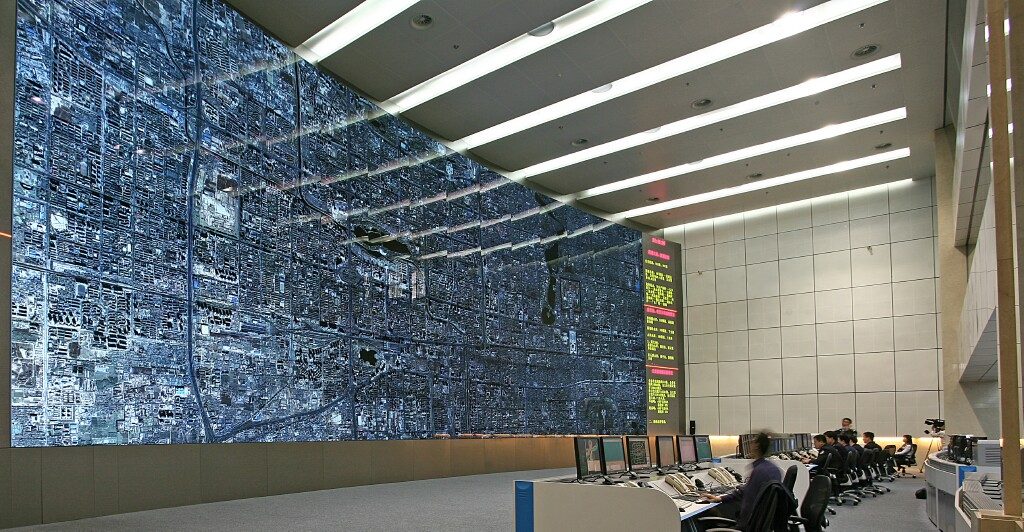
Guardian Cities: Where Is the World’s Most High-Tech City?

tokyo-traffic-center

Before long, Santiago could be a city full of electric vehicles charged by “smart” power grids, many of them driving on highways equipped with traffic-reducing automated variable toll pricing. Perhaps a new arrival to the Chilean capital would go for the chance to found a technology company, incentivised by programmes like the state-backed, foreigner-friendly Start-Up Chile, in “Chilecon Valley”. And perhaps they’ll stay for the capital’s reputation boasting the most advanced public transit system in Latin America.

Or they might opt for Africa instead of South America, to take advantage of the assistance offered by organisations like SmartXchange in Durban. Not only does South Africa’s third largest city now have an increasingly tech-savvy middle class population, it has schools like the Durban University of Technology, whose Urban Futures Centre is even developing technological solutions to the common challenges of drug use, security and policing strategy. If these succeed, Durban, like Santiago, may count itself among the highest-tech cities sooner than the rest of the world could imagine.

An urbanite cannot live by startup incubation alone – only implementing the latest technology within a sound built and social environment can make a city truly hi-tech. Indeed, I kept hearing the same answer from current and former San Franciscans asked to name the best such cities in the world right now: “Not San Francisco.” Yet last year Tech Insider’s ranked the “undeniable epicentre of all things tech, from its gigantic start-up culture to its venture capital scene to its population of designers and programmers,” at the top spot. If San Francisco doesn’t rank among the most hi-tech cities in the world, which city could?

Read the whole thing at the Guardian.

Diary: An Urbanist in Okinawa

naha-1

I had to step out of Korea this past weekend, and Peach, my discount airline of choice, offered three possible destinations: Osaka, the first city I ever visited in Japan and still the one in which I spend the most time; Tokyo, which I could stand to explore some more but which Peach only flies into and out of in the middle of the night; and Naha, the capital of Okinawa Prefecture, still terra incognita to me. I chose the mystery door number three, packed lightly enough to stay under Peach’s ten-kilogram carry-on limit (like most airlines in their class, they have a tendency to nickel-and-dime for everything from checked backs to paper cups of instant coffee), and figured I’d spend a day and a half or so exploring the city as extensively as I could, getting a quick hit of that always-savorable sensation of the urban unknown.
naha-13

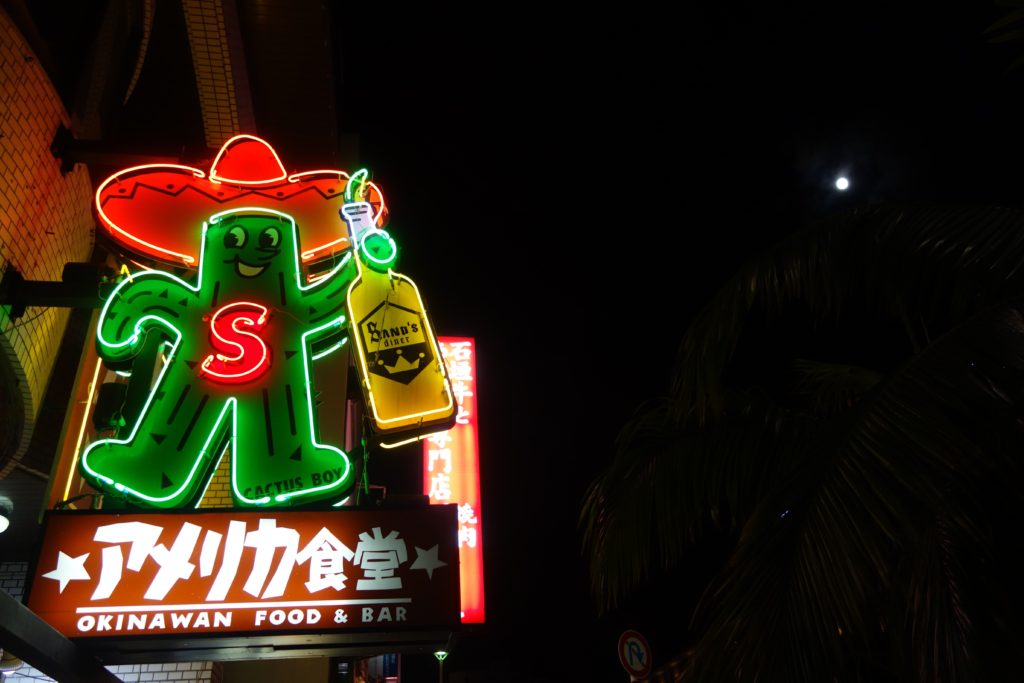
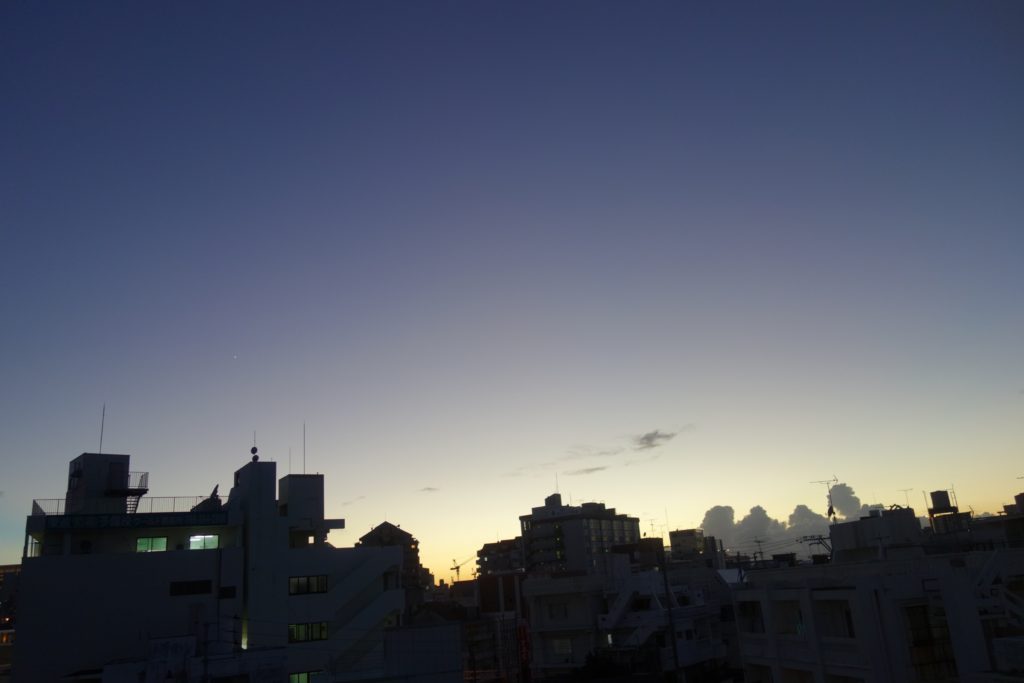
Having moved to Korea last November, October remains the only month I have yet to experience in full there, though Seoulites tell me that the air usually turns chilly somewhere toward the middle or end of it. We definitely got into sweater weather within the past couple of weeks, and so I wore one onto the plane, but right on the tarmac at Naha International I realized I shouldn’t have bothered. I stepped out not just into air much warmer than I’d expected, but under a sky blacker than any I’d ever seen before. It’s one thing to know your destination is a tropical island, but quite another to have enough experience with tropical islands — I’ve never even set foot on Jeju, Korea’s Okinawa, or Hawaii, America’s — to put yourself physically into tropical receptivity mode before you get there.
naha-12

Waiting to get through immigration, I researched where to get a plate of taco rice once I got into Naha proper. Most of the knowledge about Okinawa I’d brought in with me came directly from Nēnēs records (especially when made with Ryuichi Sakamoto) and Takeshi Kitano’s Sonatine, but I’d also come across the curious fact that this humble Tex-Mex plate had somehow come to represent modern Okinawan cuisine. Much like Korea’s budae jjigae, an equally un-photogenic stew involving Spam, instant ramen noodles, and a slice of American cheese, taco rice has a history wrapped up in that of the local U.S. military base. I never did spot a single American soldier (I’ve heard the areas they frequent in Okinawa make Itaewon look charming and prostitute-free), but I did manage to eat my fair share of the dish invented right outside the gates of their camp.
naha-2

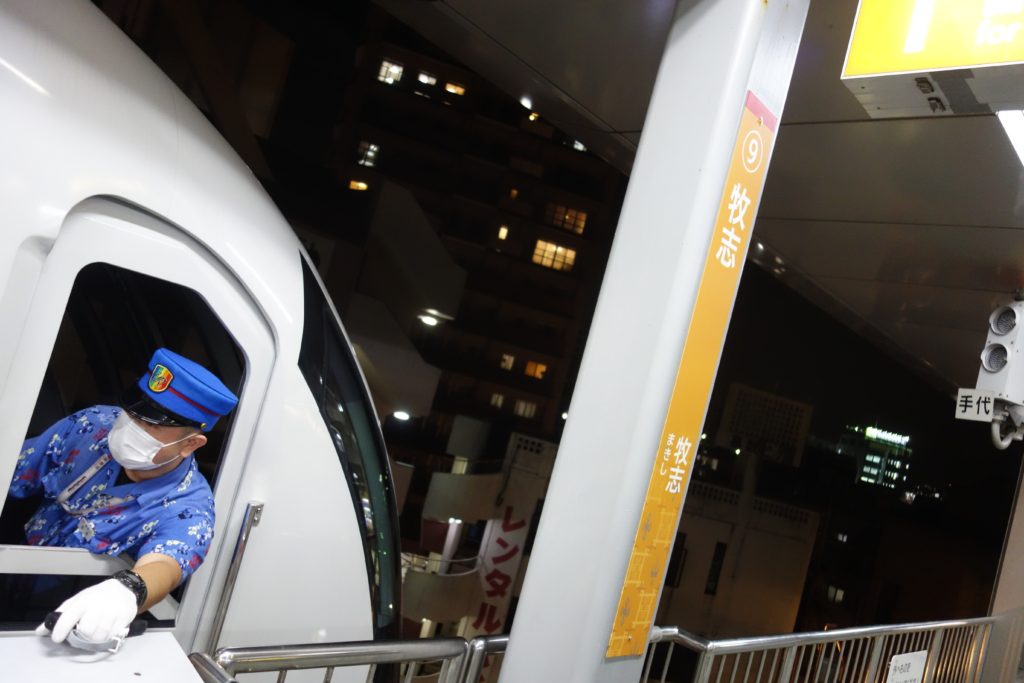
Since 2003, Naha has had a monorail connecting the airport to downtown and beyond, a pleasant surprise in a city of only about a million people. I had my Suica payment card (which, despite the fact that I don’t actually live in Japan, doesn’t leave my wallet these days) ready to go, but the monorail turned not to accept it, so I just bought an individual ticket at one of the machines, using the only piece of Japanese cash I had on me, a single ¥10,000 bill fresh from the ATM. The equivalent in America would be a $100 bill, the insertion of which into a vending machine of any kind — assuming the machine could even accept it — would have caused a life-threatening avalanche of change, but in Japan you just get back a manageable few coins along with a neat stack of bills automatically sorted into appropriate denominations. (Honolulu, meanwhile, has struggled for decades and spent billions of dollars to get a rail line built at all.)
naha-4

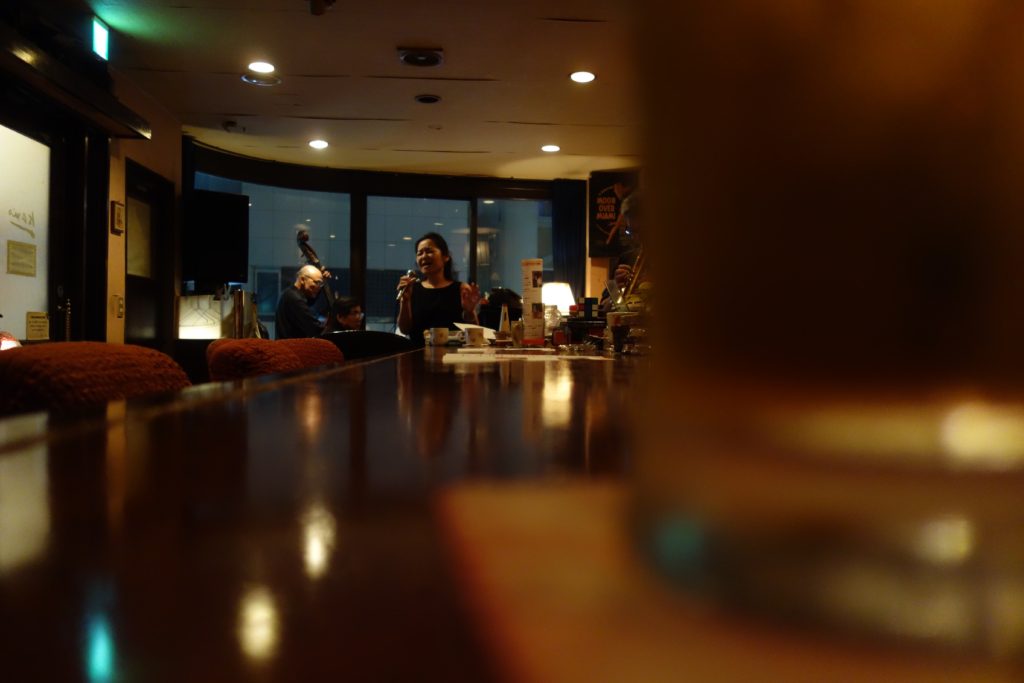
The more cities I experience, the more clearly I define the most revealing elements of a city to check out first: its rapid transit system and its representative dish, of course, but also its representative architect, its representative coffee shop, its representative jazz bar. I found that last soon after the monorail deposited me at one end of Kokusai-dōri, Naha’s main shopping street. Jazz Live Kam‘s, a Kokusai-dōri institution since lord knows when, brought to mind a description I once read of Peter Cat, the Tokyo jazz bar Haruki Murakami ran in the 1970s before becoming a writer: “a place where time stood still.” (I have a feeling Murakami himself would heartily approve of Kam’s, not least because of the cats, a couple of Naha’s countless healthy-looking strays, reliably found asleep outside the entrance of the building.) I stopped in to listen for a couple of hours, and the night’s quintet (including owner Hidefumi Kamura, “Kam” himself, on the piano) played its last few sets of the night to an audience consisting only of me.
naha-7

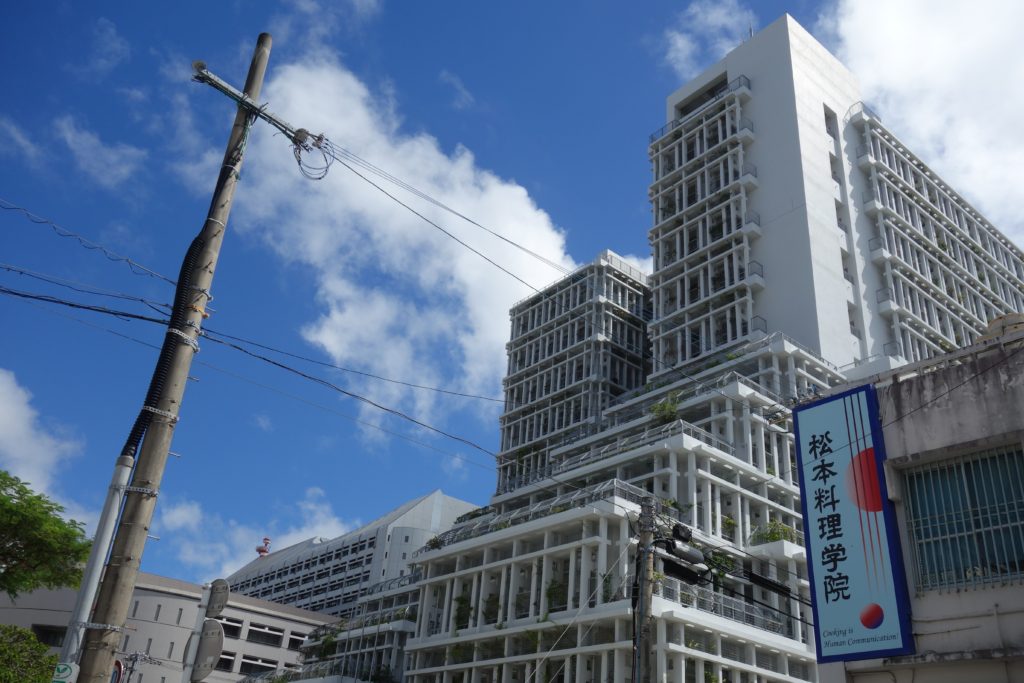
I took the measure of Naha’s coffee situation the following morning, as the first customer of the day at Mahou Coffee, which opens at 10:00, limits itself to 66 cups sold per day, and prohibits in its book- and antique-decorated “silent coffee space” such un-tasteful things as computers, smoking, excessive photography, and children. Such an establishment would, I suppose, bear the label of a “third-wave” coffee shop in America, and probably get made fun of for all its rules and fragility, but in Japan it embodies everything one wants to see in a small business. From there I set out on foot in search of the work of the only Okinawan public architect I’d ever heard of, the still seemingly uncelebrated Nobuyoshi Kinjo, designer of Naha Tower, Naha Civic Hall, and the University of the Ryukyus Museum.
naha-8

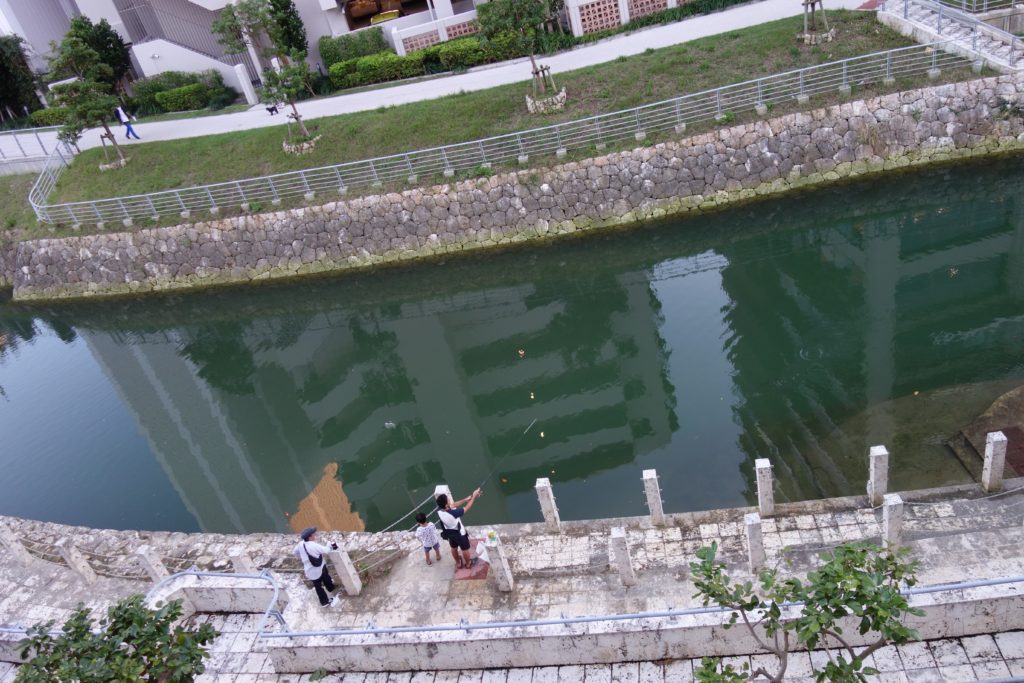
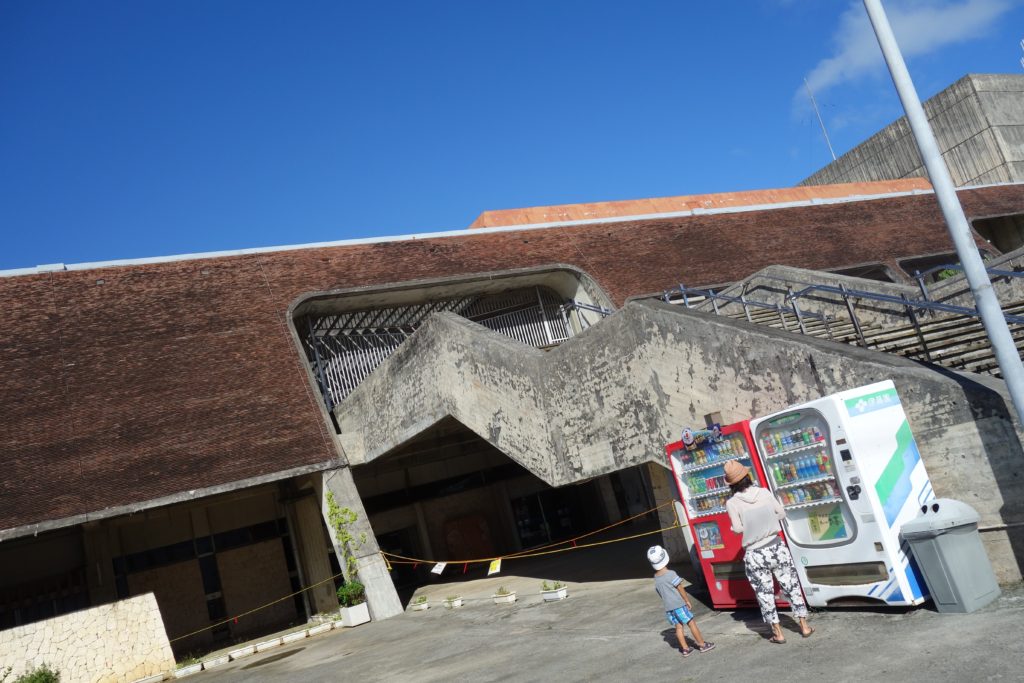
I couldn’t find Naha Tower, and after consulting its Japanese Wikipedia entry realized why: it was demolished in 2014, having stood for just over forty years (albeit empty since its owner’s 2008 bankruptcy). A few hours later, I arrived at Naha Civic Hall to find it still standing but mostly cordoned off and looking ready for the wrecking ball, its roof wrapped by the same palliative-looking netting I saw on Kisho Kurokawa’s Nakagin Capsule Tower earlier this year. Still, some of its offices remained open if seemingly unmanned, and I could get close enough to take pictures of Naha’s “pantheon of culture” in what a Japan Update article published just the day before confirmed as the final days before its closure “for good because of its deteriorated condition,” given that “a recent seismic capacity evaluation states there is a high risk that the hall would collapse in a case of an earthquake.”
naha-3

As I circled the building looking for angles, a primly dressed woman about my age approached and asked what I was doing. Smelling officialdom, I explained in my broken Japanese that I have an interest in architecture and just came to take pictures. “This building… will close,” she said, meeting me halfway in equally unsteady English and going on to ask why I’d come to Okinawa and whether I liked it. I told her I liked it quite a bit, even though I didn’t have much time to spend there, and that I’d certainly been enjoying the taco rice. “Oh, taco rice,” she said, somewhere in the middle of an oscillation between the languages. “My favorite!” Eventually, and as if she’d only just remembered why she’d struck up the conversation in the first place, she almost apologetically handed me a brochure. “Where can we find answers to life’s big questions?” asked its front page — the conclusion of the softest sell I’ve ever experienced from a Jehovah’s Witness.
naha-6

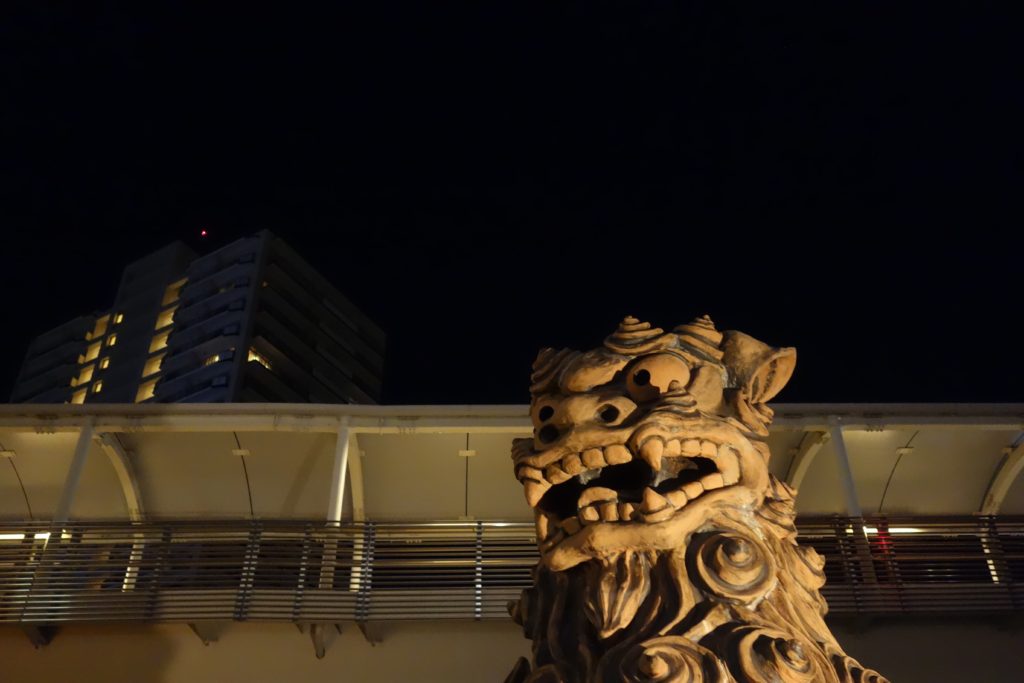
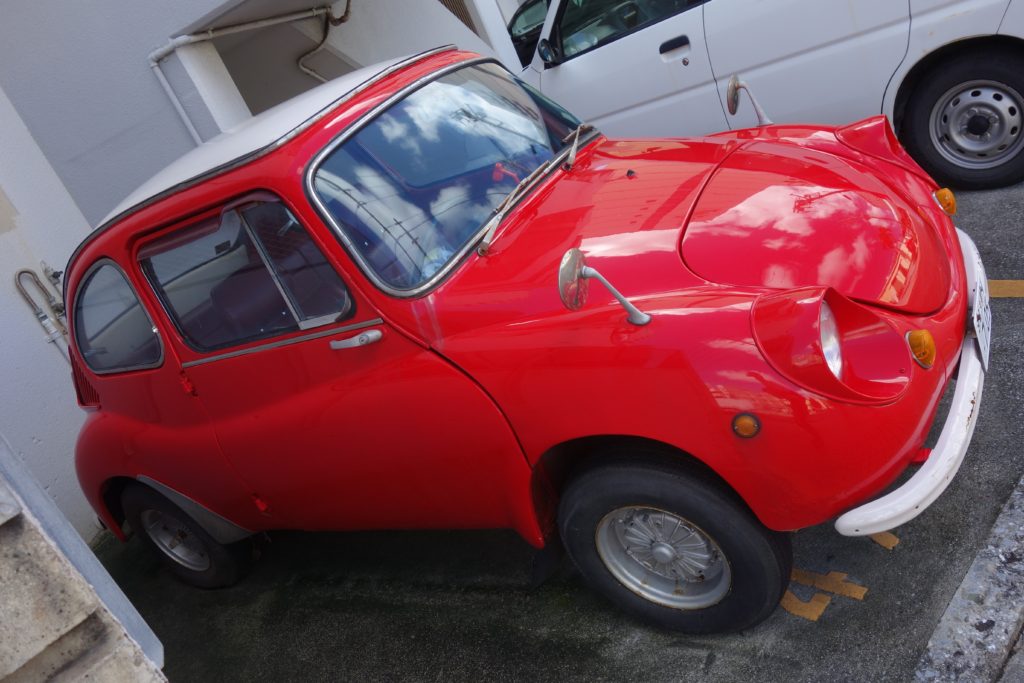
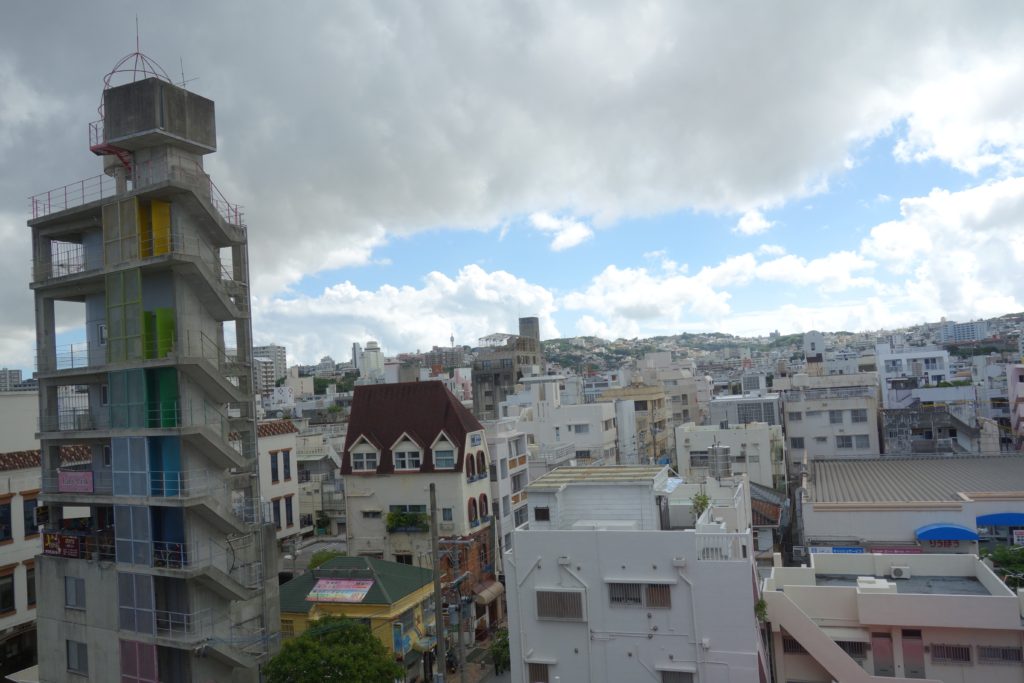
But then, nothing in humble Naha seems to come with a hard sell. Donald Richie once said he admired Osaka for its unabashed vulgarity, as I do, and what I enjoy about the capital of Okinawa has something reminiscent in it of what I enjoy about Kansai’s merchant metropolis. Call it a kind of urban rusticity, underscored even by the cars on the road: despite Japan’s formidable barriers to old-car ownership, in Naha I spotted a fair few spiffy old models from the 1970s or even 60s here and there (as well as newer ones clearly stylistically influenced by these same predecessors). The two cities also have in common the culture of the shotengai: despite Osaka’s comparative enormousness, Naha feels as if it has almost as many miles of covered market streets — or at least as much if not more life going on within them.
naha-14

Still, the same rules I trust in the rest of urban Japan broadly apply in Naha. To reference Richie once more, “the places you have fun after dark in Japan are always hidden. The unknowing foreigner walks along Tokyo’s Ginza or along Kawaramachi in Kyoto, lonely, little knowing that just a few blocks over are lanes of bars and blocks of cabarets.” Stick, in other words, with the side streets and the shotengai, although I must say Kokusai-dōri, home of Kam’s Jazz, impressed me with how late it stayed active. But I did have my best taco rice by far on a narrower, darker parallel street, at a cantina called Borracho’s after finding the go-to high-street taco rice tourist spot closed for the night. It came sizzling on cast iron, just like a good bibimbap in Korea, and the waiter stirred in plenty of minced garlic as I watched. The memory, much like that of my private concert above Kokusai-dōri, has already taken on the feel of a dream.

Korea Blog: Kevin M. Maher’s English-Teaching Expat Novel “No Couches in Korea”

kb-no-couches-in-korea

Korea has inspired several volumes of English-language travel writing, even narratives of extended sojourn in or repeat visits to the country over long periods of time, but a full-fledged, high-profile memoir or novel of the expatriate-in-Korea experience has yet to materialize. Kevin M. Maher’s No Couches in Korea, which recounts the experiences of a young man who leaves his native America, his girlfriend, and their cat behind to teach English in the coastal city of Busan, falls somewhere between memoir and novel. Though formally neither here nor there, it nevertheless opens a window onto the sort of lives lived within a quasi-professional subculture that, for better or worse, has colored and continues to color the expat community in Korea to a deeper extent than most anywhere else in Asia.

The author’s biographical blurb unhesitatingly informs us that, just like his protagonist, he “first arrived in South Korea for a one year stint in 1996,” although the book’s narrator bears not the name Kevin M. Maher but Adam Wanderson. Driven purely by a lust for, well, you guessed it, the 26-year-old Adam signs on to join the “wave of English instruction spreading from Japan through the rest of Asia, now seeping into South Korea,” and less than 24 hours after his flight touches down finds himself cast before a roomful of expectant, if not proficient, middle-school students. “Typical Korean bullshit,” declares his only slightly more experienced colleague over and over again. “If you have a white face, they figure you can teach English. No one here speaks English well; it doesn’t matter if you’re good or bad — they’d never know.”

Adam has entered the shady if tolerably lucrative world of hagwon (Maher uses the alternative romanization hogwan), the private educational institutes in which Korean students still spend so much of their time outside regular school hours. But many hagwon count as educational in only the loosest sense of the word, drilling kids in preparation for the Suneung, Korea’s all-important equivalent of the SAT, or, as in the “English” classes we see Adam “teach,” having a Westerner repeat nouns at them over the course of a couple of hours. In one instance he throws up his hands and has the class play hangman, a game that now dominates the English-class memories of entire generations of Korean students.

Read the whole thing at the Los Angeles Review of Books.